Device-Consumable interface design Controls Signal Integrity
If the consumable constitutes the actual measuring instrument, then the device-consumable interface becomes the primary engineering challenge. The base unit must establish electrical, optical, or fluidic continuity with a component that varies batch-to-batch due to molding tolerances and sterilization effects. Yet the user expects the same reading whether inserting the first or hundredth cartridge.
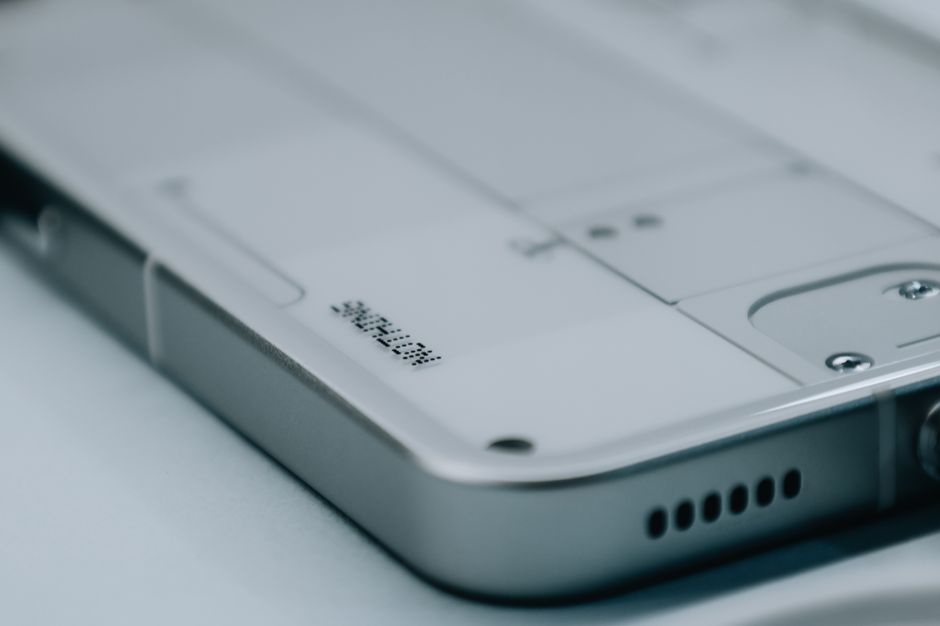
Photo by Prashant Gautam on Pexels
Abbott‘s i-STAT system illustrates this tension. The handheld analyzer accepts blood gas cartridges containing dry reagent beads, optical windows, and microfluidic channels. The cartridge must seat with enough force to break a foil seal and establish fluidic pressure, but not so much that it crushes the delicate channel geometry. The interface uses a cam-driven mechanism that controls insertion velocity independently of user force, critical because sudden stops create pressure spikes that burst on-board fluidic pathways.
The base unit cannot assume perfect consumable geometry. It must incorporate interrogation protocols that verify the consumable’s presence, orientation, and functional status before accepting data. A diabetic meter that trusts a bent test strip electrode delivers a false reading. The interface therefore requires redundant sensing: one channel confirms physical seating, another validates electrical continuity, and a third checks signal plausibility.
Gamma Sterilization Destroys the Precision You Just Designed For
Single-use device engineering faces a material paradox. The consumable must survive terminal sterilization, usually gamma irradiation at 25-40 kGy, without compromising the tolerances required for medical cartridge design. Gamma radiation cross-links polymer chains, causing cyclic olefin polymers and polycarbonates to warp or yellow. A microfluidic channel molded to 200-micron tolerances may ovalize during sterilization, disrupting capillary flow.
Sterile consumable device architecture therefore requires designing for post-sterilization dimensions, not as-molded specifications. Engineers must validate critical features after the sterilization cycle, which complicates tooling development because molders typically optimize for green-state dimensions. The interface must accommodate this variation. If the consumable’s electrical contacts shift 0.1 millimeters due to sterilization-induced warpage, the base unit’s pogo pins must either float on compliance mounts or use wipe distances long enough to maintain contact across the tolerance range.
This constraint affects material selection directly. Glass-filled nylons resist gamma degradation but wear the base unit’s contacts. Unfilled medical-grade polycarbonates mold precisely but craze under radiation. The optimal choice often becomes a multi-material cartridge: a rigid chassis for structural alignment combined with elastomeric overmolds for sealing and electrical contact compliance.
Consumable Design Must Account for the User’s Physiological State
During the moment of use, the consumable must function reliably even when the user cannot. A patient with hypoglycemia experiences tremor and cognitive decline. They may insert a continuous glucose monitor sensor with shaking hands, or load an insulin cartridge into a pump while vision is blurred, conditions that demand fail-safe insertion mechanisms.
Photo by Prashant Gautam on Pexels
Dexcom‘s G6 applicator addresses this through a single-action insertion mechanism that hides the needle entirely. The user never aligns the sensor filament manually; the disposable applicator contains the alignment geometry and driving spring. Once activated, the mechanism controls insertion depth and angle regardless of user grip or movement. A partially inserted sensor filament produces inaccurate readings that cascade into insulin dosing errors.
The architecture must also prevent reuse after the sterile barrier breaks. Medical cartridge design often incorporates physical locks that fracture upon removal, or one-way valves that vent to atmosphere when detached. These features add cost to a disposable item, but they eliminate infection risks associated with cartridge reloading or strip re-insertion.