Display Contrast Beats Resolution in Direct Sunlight
The typical beginner cyclist GPS device imports display technology from athletic wearables—high-resolution color screens optimized for indoor viewing. This is a category error. The amateur rider checks their device in motion, often in direct sunlight, frequently with polarized lenses that filter out standard LCD polarization angles.
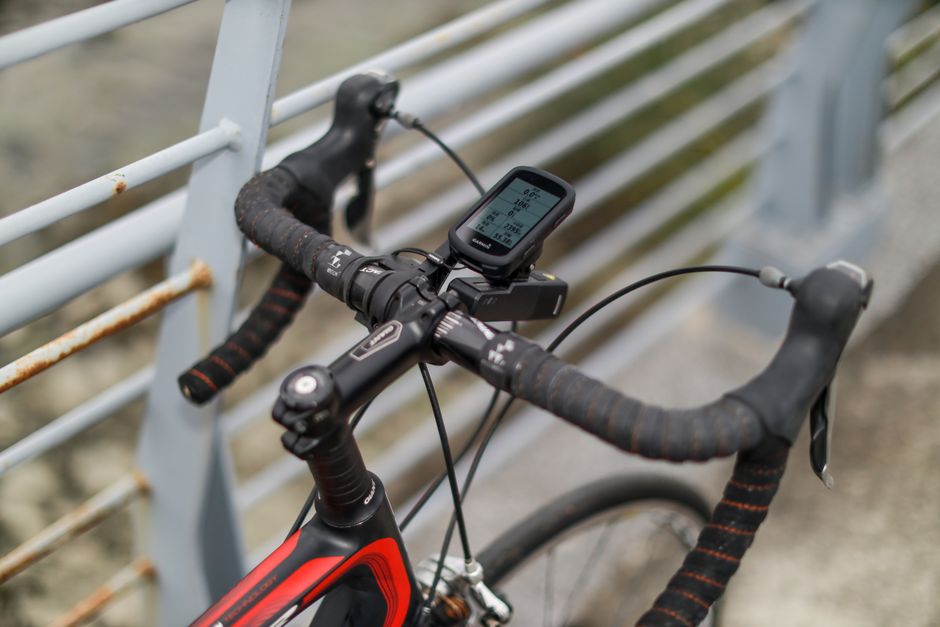
Photo by chunhsien shih on Pexels
Entry-level cycle computer hardware must prioritize contrast ratios over pixel density. Transflective monochrome LCDs offer superior readability in daylight without backlight drain. The hardware decision here carries commercial weight: a screen unreadable in sun conditions forces the rider back to their phone, destroying the product’s utility and retention.
Hardware teams should specify displays viewable at 45-degree angles without color shift, because riders rarely mount devices perpendicular to their line of sight. When an amateur cyclist misses a turn because they couldn’t distinguish a gray route line from a blue background at speed, they abandon the device for Google Maps on their handlebars. Display specification is a navigation safety system first and an interface second.
Physical Buttons Over Touchscreens for Gloved Operation
That visibility problem compounds when the rider tries to interact with the device. Touchscreens demand visual attention and fail when wet or gloved—conditions present in nearly every recreational ride.
Physical buttons provide tactile landmarks that muscle memory can locate without looking down. The affordable cycling device must offer distinct, textured buttons with positive mechanical feedback, sized for operation with full-finger gloves. This hardware choice contradicts the consumer electronics trend toward flush glass surfaces, but it aligns with the reality of cycling: sweat, rain, and vibration.
Consider the specific moment: a leisure cyclist realizes they need to zoom out to see an upcoming turn. At 18mph on a rough road, with early autumn rain beginning to fall, they must perform this operation without breaking cadence or crashing. A single, oversized button press achieves this. A swipe gesture fails. The hardware specification should mandate operability with winter gloves at 5°C and wet conditions—benchmarks derived from actual usage patterns, not lab specifications.
Quick-Release Mounts Drive Adoption and Retention
Interaction reliability extends beyond the device itself to its connection with the bicycle. The physical connection between device and handlebar determines whether the product becomes essential or drawer-bound. Amateur cyclists remove computers to prevent theft; professionals leave them mounted. This behavioral difference shapes the mechanical design of leisure cyclist hardware.
Photo by chunhsien shih on Pexels
Quick-release mounts that require no tools encourage consistent use. The entry-level cycle computer hardware must include a mount compatible with standard handlebar diameters (31.8mm and 25.4mm) without shims that crack or slip. A secure mount that takes thirty seconds to attach encourages the rider to leave the device at home for short trips; once that habit breaks, retention collapses. The hardware must enable one-handed attachment and removal while maintaining security over cobblestones and trail vibrations. This mechanical engineering challenge—secure yet effortless—often requires resources comparable to the electronics development, and it is the primary driver of word-of-mouth recommendation.