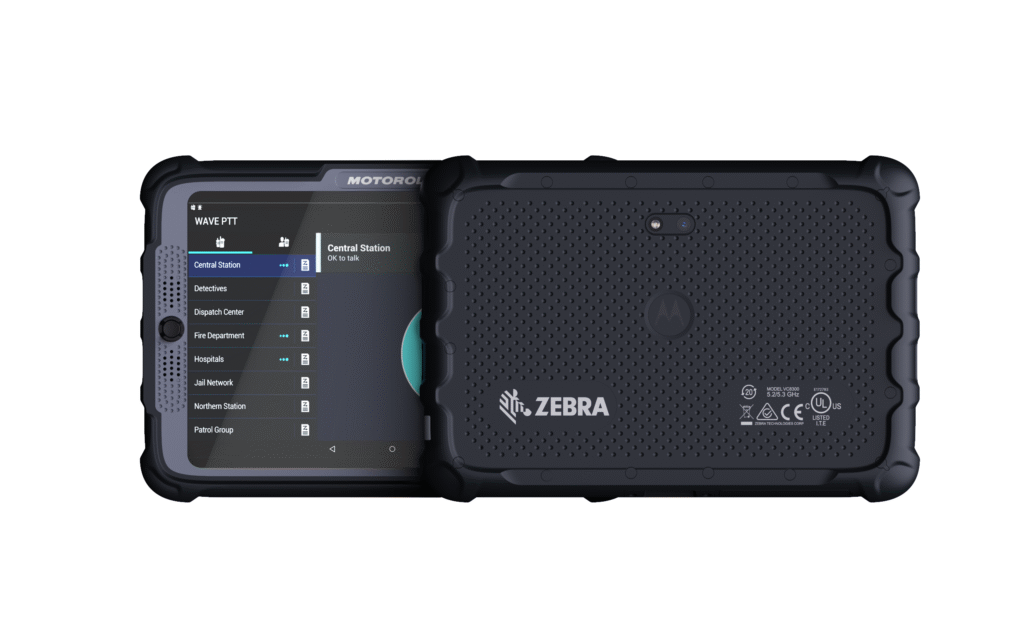
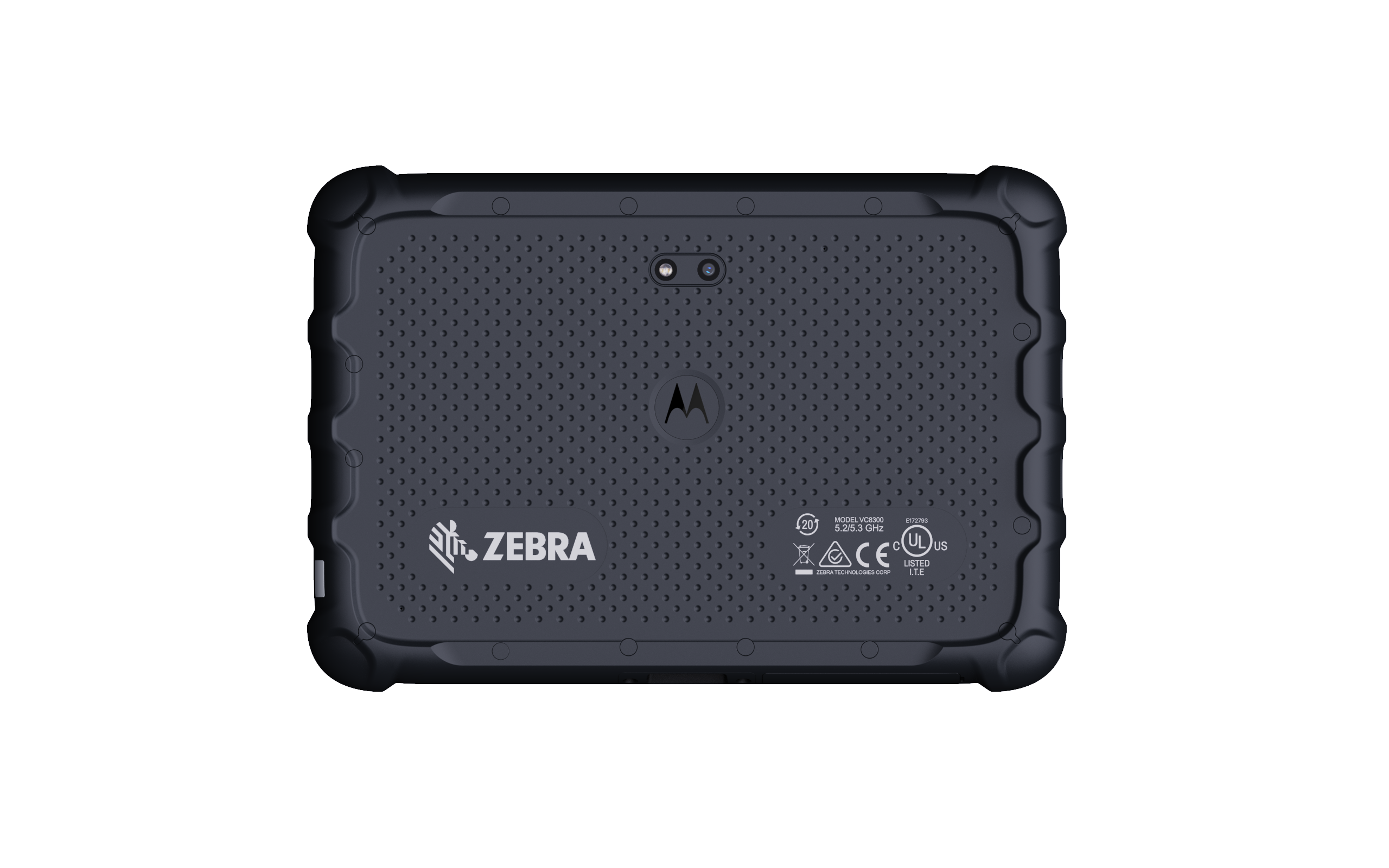
A Rugged Tablet Built for Duty
Our Solution
How we designed the category-first, Windows 11” tablet for Zebra Technologies
The Result
With a carefully balanced blend of toughness, elegance, and expandability, it enabled Zebra to deploy their solution for the Oman police force.
Services
Concept Development
Enclosure Design
Prototype Engineering
Materials Selection
Design for Manufacturing
Tolerance Analysis
Vendor Management
Prototype Liaison
Postproduction support
The Story
Motorola Enterprise Mobility, now a part of Zebra Technologies, wanted to deploy a Concept DevelopmentWindows tablet as part of a turnkey solution for the Oman police force. The requirement was for a device that could survive extreme environments while staying connected and reliable inside patrol vehicles.
Motorola chose L&T Tech Services (LTTS) as their technology partner to deliver the complete solution. LTTS brought us on board to design and engineer the tablet and its vehicle mounting dock. At the time, we were the only design partner with proven rugged tablet experience in our portfolio, making the decision straightforward.
Extreme Environments, Zero Failure
The project demanded full compliance with MIL-STD-810G. The tablet needed to withstand shock, vibration, impact, and ingress, while operating between -40°C and +85°C. As a police device, EMI shielding was critical. At the same time, the design had to balance aesthetics, ergonomics, manufacturability, and cost, while keeping weight low and durability high.
Engineering for Compliance and Durability
Hardware Packaging and Industrial Design
We began by packaging the motherboard, peripheral PCBs, and battery into an optimum configuration for both assembly and serviceability. Industrial design concepts were created around this architecture, balancing ergonomics with manufacturability.
Shock Mounting
The motherboard was shock mounted using intelligent fastener selection and placement to minimize the amplitude of transmitted shock waves. For battery and display isolation, we chose Rogers’ Poron pads. Boundary conditions were defined and validated in collaboration with LTTS’ CAE team.
Thermal and Structural Design
The tablet needed to be light, strong, and thermally efficient. We used a two-layer construction for the top and bottom covers:
- Inner Layer: Magnesium Aluminium alloy AZ91D for strength and heat dissipation.
- Outer Layer: PC+ABS for form, with double-shot TPU molding at edges, corners, and faces for impact protection.
EMI Shielding
The metal underlay helped minimize EMI leakage, but split lines remained a risk. To solve this, we worked with Parker Hannifin’s Chomerics group to develop a custom conductive seal. Acoustic I/O areas were sealed using a combination of Gore-Tex vents and Satifil meshes.
Docking and Power Management
The Oman police required tablets to remain on maximum charge and connected to the database at all times. For this, we used Mill-Max pogo pins for robust dock-ability.
Vehicle Mounting Dock
The specification included a vehicle dock. To shorten development timelines, we selected a Ram-Mount mechanism and built a custom dock around it. The challenge lay in integrating the electrical interface, particularly managing the heat generated by continuous charging. We solved this with a custom pogo pin housing made from Nylon 4-6.
THE RESULT
Designing Hardware for the Harshest Environments
The final design combined ruggedness, serviceability, and integration into the Oman police ecosystem. With a tested construction for shock, impact, and thermal extremes, sealed EMI performance, and a reliable vehicle dock, the device delivered the reliability and uptime demanded in the field.
We also supported LTTS in identifying manufacturing partners and handed over all production-ready data to ensure smooth transition to mass production.