Novo Nordisk: How Pharma Beat Luxury

The Obesity Business Is Not a Drug Business
In the summer of 2023, a Danish pharmaceutical company quietly surpassed LVMH to become Europe’s most valuable corporation. The comparison seemed almost profane: one firm sold semaglutide injections to treat diabetes and obesity; the other sold $10,000 handbags and champagne to the global elite. Yet Novo Nordisk’s market capitalization had swollen past $400 billion not because it had discovered a lifestyle product, but because it had solved, at least partially, a metabolic pandemic. The drug Ozempic, and its higher-dose sibling Wegovy, did not merely treat diabetes; they reduced body weight by fifteen to twenty percent in clinical trials, a efficacy threshold that transformed the pharmacological management of obesity from a marginal intervention into a mainstream necessity.
The numbers behind this shift are staggering in their implications. Novo Nordisk had spent a century building its economic engine around insulin, serving the roughly 38 million Americans and 500 million people globally who suffer from diabetes. The GLP-1 receptor agonists opened an addressable market of one billion obese people worldwide, including forty percent of the American population. This was not an incremental expansion; it was a categorical leap from treating a chronic disease to managing a human condition. Yet the economics of this transition are stranger than the epidemiology. Novo Nordisk did not stumble into this market by diversification. It arrived there through a decision that would have been impossible at any shareholder-controlled pharmaceutical company: the deliberate cannibalization of its own core revenue stream. The new drugs reduce insulin demand. They destroy the business that built the factory.
This is the central puzzle of Novo Nordisk. The company functions as a permanent institution for metabolic disease rather than a conventional profit-maximizing enterprise. Its governance structure, 100 percent ownership by a non-profit foundation established in 1924, eliminates the quarterly earnings pressure that dictates strategy at Pfizer, Merck, or Eli Lilly. This structural feature is not a footnote in the corporate charter; it is the operating system that determines capital allocation, research timelines, and competitive posture. It allows Novo to make thirty-year bets on molecules, to tolerate the destruction of its insulin franchise for the sake of category expansion, and to maintain supply chain relationships that make no sense under standard return-on-capital metrics. The foundation structure is not merely a quirk of Danish corporate law. It is the single most durable competitive advantage in the pharmaceutical industry, and the single greatest vulnerability.
Cannibalism Requires a Foundation
The semaglutide molecule that powers Ozempic and Wegovy was pioneered by Novo Nordisk scientists in the early 1990s. The first clinical trial for type 2 diabetes began in 2008. The trials proving obesity efficacy concluded in 2021. Three decades elapsed between molecular discovery and commercial validation. In the intervening years, Novo’s core insulin business generated the cash flows that funded this research, even as the scientific community understood that GLP-1 agonists represented a potential replacement for insulin in many diabetic patients. The drugs stimulate insulin production only when glucose levels are elevated, reducing the risk of hypoglycemia and causing weight loss rather than weight gain. For a significant subset of diabetics, they are superior therapeutics.
At a conventional pharmaceutical company, this dynamic creates an insurmountable strategic conflict. Insulin is a high-margin, recurring revenue stream with established manufacturing infrastructure and entrenched physician prescribing habits. GLP-1 drugs threaten to obsolete this cash cow. Shareholder-driven management teams, evaluated on quarterly earnings growth and total shareholder return, instinctively protect legacy franchises. They delay the launch of superior products, segment markets artificially, or price new therapies prohibitively high to minimize cannibalization. The history of business is littered with such defensive maneuvers, odak delaying digital photography, Microsoft protecting Windows, Blockbuster ignoring streaming.
Novo Nordisk faced no such constraint. The Novo Nordisk Foundation, which owns the company outright, operates under a dual mandate: to produce insulin at cost in Scandinavia to maximize public health access, and to reinvest all surplus into metabolic disease research and manufacturing. There are no public shareholders to placate, no activist investors demanding buybacks, no earnings per share targets to hit. When GLP-1 drugs demonstrated superior clinical outcomes, Novo had no structural incentive to protect insulin sales. It could embrace the destruction of its own revenue stream because the foundation’s utility function maximizes long-term category value, total patients treated, total disease burden reduced, rather than near-term profit.

This governance feature is the primary economic variable distinguishing Novo from Eli Lilly, its only serious competitor in the GLP-1 space. Lilly operates under standard corporate governance; its management must balance innovation against the protection of existing franchises. When Lilly developed its own GLP-1 drug, tirzepatide, it did so as a diversification play, an addition to its portfolio. Novo pursued semaglutide as a replacement strategy, willingly trading insulin units for GLP-1 units even at lower initial margins. The foundation structure permits this trade because the foundation’s wealth is measured in scientific capability and manufacturing capacity, not quarterly dividend flows.
Yet this cannibalization strategy contains a latent instability. The foundation’s control depends on Danish law and political consensus. If that control ever wavers, f regulatory pressure forces a restructuring, if tax authorities challenge the foundation’s non-profit status, if political winds shift to demand the “unlocking” of shareholder value, ovo’s successor management would face immediate pressure to reverse course. A conventional board would likely kill GLP-1 development to protect insulin margins, or at minimum, slow the obesity indication to preserve diabetic pricing power. The current strategy is only possible because the foundation acts as a constitutional monarch, insulating operational decisions from capital market logic. Remove that insulation, and the economic engine stalls.
The Thirty-Year Conviction
The timeline from semaglutide’s discovery to its obesity approval reveals another dimension of Novo’s institutional strangeness. Thirty years is not a research cycle; it is a career. Most pharmaceutical companies, even those with patient capital, struggle to maintain funding for development programs that span decades. Management teams turn over. Strategic priorities shift. Boards lose patience with “promising” molecules that fail to generate revenue. The industry standard involves ruthless Phase II pruning, where drugs with unclear commercial potential face termination regardless of scientific merit.
Novo’s foundation ownership inverts these incentives. The surplus generated by insulin sales, historically the company’s cash cow, could not be distributed to shareholders as dividends. It had to be reinvested into metabolic disease research. This created a funding mechanism that behaved like an endowment rather than a venture capital portfolio. Novo could afford to keep semaglutide alive through the 1990s and 2000s not because of optimistic net present value calculations, but because the foundation had no alternative use for the capital. The money had to go somewhere, and the charter specified metabolic health.
This dynamic creates a moat that competitors cannot replicate with money alone. Eli Lilly may have unlimited capital to invest in obesity research, but it cannot purchase thirty years of accumulated clinical trial data, failed formulation attempts, and regulatory navigation specific to GLP-1 molecules. Novo’s institutional knowledge resides in tacit expertise: he specific chemists who understand how to stabilize the peptide, the manufacturing engineers who solved the cold-chain logistics, the regulatory affairs staff who built relationships with the FDA across three decades of submissions. This is not intellectual property that can be licensed; it is organizational capability that accretes slowly, like sediment.
The durability of this advantage depends on continuity. Novo’s research culture has remained concentrated on metabolic disease for a century. While diversified pharmaceutical giants like Johnson & Johnson or Roche spread their R&D across oncology, immunology, and infectious disease, Novo has drilled a single mile-deep well. This concentration creates asymmetric information advantages. When Novo evaluates a new obesity target or a combination therapy, it does so against a century of proprietary data on insulin sensitivity, glucose metabolism, and patient compliance patterns. Competitors entering the space must build this knowledge base from scratch or rely on public literature.
Yet the thirty-year cycle also exposes a structural fragility. The assumption underlying Novo’s valuation is that GLP-1 drugs will remain the standard of care for obesity and diabetes for the next fifteen to twenty years. If a genetic therapy, a curative intervention, or a superior small-molecule oral treatment emerges, Novo’s accumulated expertise becomes obsolete. Unlike diversified peers, Novo has no portfolio hedge. Eighty percent of its revenue derives from metabolic disease. A single disruptive innovation, a CRISPR-based cure for diabetes, a vaccine against obesity, would collapse the entire enterprise with no fallback business to absorb the shock. The foundation’s willingness to make long bets assumes the game continues indefinitely. It does not account for sudden game-over scenarios.
The Slaughterhouse Moat
Beneath the molecular biology and clinical trials lies a supply chain advantage that receives little attention in pharmaceutical analysis, yet fundamentally shapes Novo’s competitive position. The company’s manufacturing expertise traces back to the 1920s, when insulin was extracted from the pancreatic glands of pigs and cows. Even after the advent of recombinant DNA technology in the 1980s allowed for synthetic insulin production, Novo maintained deep relationships with slaughterhouses across Scandinavia and globally. These relationships are not mere vendor contracts; they are century-old institutional embeddings.
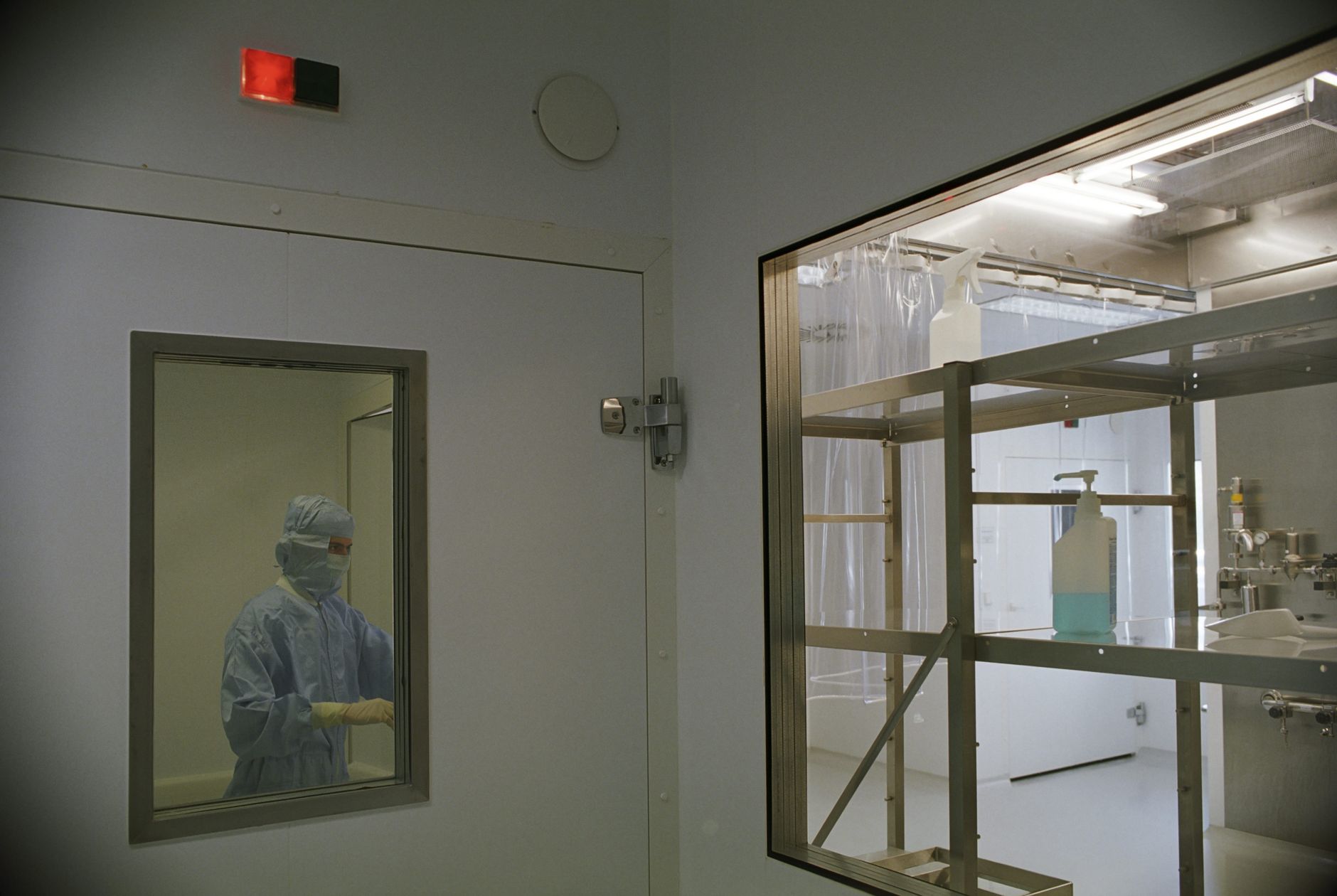
In the early years, insulin production faced a brutal supply constraint. It required eight thousand pounds of pancreatic glands from twenty-three thousand animals to produce one pound of human insulin. By 1980, treating thirty thousand diabetes patients required slaughtering one million animals annually. Novo solved this scaling problem through proprietary extraction and purification processes developed over decades, while simultaneously locking up supplier relationships that competitors could not easily replicate. When recombinant technology reduced dependence on animal tissue, Novo redirected this supply chain expertise toward GLP-1 production, which uses similar biological manufacturing processes involving yeast and bacterial cultures, but requires the same institutional knowledge of protein purification, stabilization, and sterile manufacturing at scale.
This supply chain control creates a cost and availability advantage in a market that remains supply-constrained. Novo owns relationships with meat production infrastructure that pharmaceutical startups cannot easily penetrate. The company’s willingness to pay premium prices for biological raw materials, supported by the foundation’s lack of earnings pressure, locks out price-sensitive competitors. When demand for GLP-1 drugs surged in 2022 and 2023, Novo’s manufacturing scale allowed it to capture market share while Eli Lilly and smaller competitors faced shortages.
The durability of this advantage rests on biological complexity that chemical synthesis cannot easily replicate. GLP-1 drugs are peptides, not small molecules. They cannot be manufactured in traditional chemical plants; they require biological reactors, living cells, and complex purification chains. Novo’s century of expertise in protein manufacturing, first from animals, now from genetically modified cells, creates a manufacturing moat that generic competitors will struggle to cross even after patent expiration. A generic manufacturer can copy the semaglutide molecule, but replicating Novo’s yield rates, impurity profiles, and cold-chain logistics requires tacit knowledge built over decades.
However, this advantage faces a scaling challenge that threatens to invert its value. The current addressable market for diabetes, roughly 500 million people globally, required enormous capital investment to serve. The obesity market represents one billion people. Scaling peptide production to serve even a fraction of this population requires capital expenditures and biological capacity that may exceed Novo’s ability to execute. If the company cannot expand manufacturing fast enough to meet demand, competitors will establish alternative supply chains, perhaps using different production technologies or geographic sourcing, and erode Novo’s first-mover advantage. The slaughterhouse relationships that created the moat may become irrelevant if the moat itself is too narrow to hold the flood of demand.
When Speed Is a Liability
The foundation structure that enables long-term R&D and cannibalization strategies simultaneously imposes a governance cost that manifests in commercial speed. Novo’s capital allocation process prioritizes scientific rigor and public health impact over market timing. While this produces superior clinical outcomes, it may slow manufacturing expansion, pricing decisions, and go-to-market execution relative to shareholder-driven competitors.
Consider the obesity launch. Novo secured approval for Wegovy in 2021 but faced persistent supply shortages through 2022 and 2023. The company seemed unprepared for the velocity of demand, despite having decades to prepare for this moment. Eli Lilly, by contrast, moved aggressively to scale tirzepatide production, capturing market share in segments where Novo’s supply constraints limited access. The foundation’s deliberative culture, its reluctance to overbuild capacity, its careful calibration of pricing against public health access concerns, created openings for faster, more commercially ruthless competitors.
This tension reveals the economic trade-off embedded in Novo’s governance. The foundation prevents short-termism, but it may also prevent the aggressive capital deployment necessary to dominate a one-billion-person market. In conventional pharmaceutical companies, management teams race to capture market share ahead of patent cliffs, investing heavily in manufacturing capacity and sales forces to establish brand loyalty before generic entry. Novo’s foundation, unconcerned with quarterly earnings, may move too slowly to establish the dominant market position necessary to survive the eventual patent expiration of GLP-1 drugs.

The risk compounds over time. If Novo maintains its current market penetration trajectory, serving perhaps ten to fifteen percent of the addressable obesity market by 2030, it leaves the remaining eighty-five percent for competitors. When semaglutide patents expire in the 2030s and 2040s, generic manufacturers will enter with lower prices. If Novo has not established overwhelming brand loyalty, clinical differentiation, and manufacturing scale by then, the obesity market commoditizes rapidly. The foundation’s patience becomes a liability if it results in subscale market presence when protection expires.
Moreover, the foundation’s public health mandate may conflict with optimal pricing strategy. Novo faces political pressure to lower prices for Wegovy in the United States and Europe to improve access, pressure that a shareholder-driven company might resist more forcefully. While lower prices expand patient volume, they may also reduce the cash flows necessary to fund the next generation of metabolic research. The foundation structure does not eliminate the resource constraint; it merely changes the decision criteria for allocating scarce resources.
The Billion-Person Bottleneck
The central operational challenge facing Novo Nordisk is not scientific but mechanical: how to manufacture enough GLP-1 drug to serve a market ten times larger than the diabetes population that built the company. Current GLP-1 production involves complex biological processes, fermentation, cell culture, purification, that cannot be ramped up quickly through capital expenditure alone. Biological manufacturing requires trained personnel, sterile facilities, and supply chains for specialized reagents that have long lead times.
If demand for obesity treatment grows faster than Novo’s ability to expand capacity, the company faces a rationing decision that has no good outcomes. Limiting supply to maintain quality controls and safety standards invites competitor entry. Rationing by price, allowing costs to rise until demand matches supply, triggers political backlash and reimbursement restrictions. Rationing by indication, prioritizing diabetes patients over obesity patients, cedes the larger market to Eli Lilly and sacrifices the strategic position Novo spent thirty years building.
The supply constraint also creates a window for technological leapfrogging. If Novo cannot meet global demand with current peptide manufacturing technology, competitors may invest in alternative production methods, ral small molecules, gene therapies, or manufacturing platforms that bypass Novo’s biological expertise entirely. The company’s century of protein purification knowledge becomes less valuable if the industry shifts to chemically synthesized alternatives that Novo has not prioritized.
This bottleneck exposes the fragility of Novo’s implicit assumption that it can scale to serve the global obesity market. The company’s historical growth occurred within the constraints of insulin production, where demand grew predictably and manufacturing technology evolved incrementally. The obesity market represents a discontinuous jump in scale. Serving one billion people requires industrial capacity comparable to global vaccine production, yet GLP-1 drugs require more complex manufacturing than vaccines. Novo must build this capacity while maintaining the quality standards and safety profiles that justify premium pricing: operational challenge that has defeated many pharmaceutical companies attempting rapid scaling.
The Fragile Fortress
Novo Nordisk’s entire economic model rests on a political assumption: that the Danish government and European Union regulators will permit a non-profit foundation to control Europe’s most valuable company indefinitely. This assumption is not legally guaranteed. If Novo’s market dominance in GLP-1 drugs triggers antitrust scrutiny, or if Danish tax authorities determine that the foundation structure constitutes impermissible tax avoidance, the governance foundation could crack.
The European Union has increasingly scrutinized pharmaceutical monopolies, particularly when they result in high drug prices that strain national healthcare budgets. If regulators force Novo to divest assets, restructure its foundation ownership, or accept price controls that eliminate surplus available for R&D reinvestment, the company’s economic engine transforms instantly. A Novo Nordisk forced to maximize quarterly earnings would likely abandon the long-term obesity research programs, protect insulin pricing through anti-competitive means, and distribute cash to newly created shareholders rather than reinvesting in manufacturing scale.
The political risk extends to the United States, where Novo derives the majority of its revenue. American policymakers have threatened to revoke patent protections or impose price caps on drugs deemed essential but unaffordable. If the U.S. government negotiates GLP-1 prices down to marginal cost, eliminating the surplus that funds the foundation’s research agenda, Novo’s governance structure loses its economic rationale. The foundation depends on high margins in developed markets to subsidize R&D and access programs in Scandinavia. Remove those margins, and the institution unravels.
Beyond political risk lies the patent cliff. Semaglutide patents will expire between 2032 and 2040, depending on jurisdiction and formulation. Novo must establish such dominant market share, brand loyalty, and clinical differentiation before that expiration that generic entry becomes a marginal threat rather than an existential one. If the company has captured only twenty or thirty percent of the obesity market by 2035, generics will commoditize the remaining seventy percent, collapsing pricing power and valuation.
The combination of these fragilities, political assaults on foundation governance, manufacturing bottlenecks that limit market capture, and the ticking clock of patent expiration, creates a narrow path for Novo’s continued dominance. The company must scale manufacturing faster than any biological drug in history, maintain political protection for its unique ownership structure across multiple jurisdictions, and establish brand equity that survives generic competition, all while hoping that no curative therapy emerges to obsolete the entire category.
The Institution of Hunger
Novo Nordisk represents a strange hybrid: a commercial enterprise that behaves like a public health utility, a manufacturing company whose true product is metabolic control, a foundation that happens to sell drugs. Its economic engine runs on the conversion of biological constraints, pancreatic function, peptide stability, animal tissue supply, into structural advantages that competitors cannot easily replicate. Yet these advantages depend on a governance structure that remains politically contingent and a technological paradigm that assumes chronic disease management rather than cure.
The company’s bet is that obesity, like diabetes, will remain a chronic condition requiring lifelong pharmaceutical intervention. If this assumption holds, Novo’s thirty-year R&D cycles, its willingness to cannibalize insulin, and its century of manufacturing expertise create an unassailable position. The foundation structure allows it to think in decades while competitors think in quarters. The supply chain relationships lock in manufacturing advantages that scale with demand. The category concentration, normally a vulnerability, becomes a reinforcing cycle of expertise.
But if the assumption fails, if gene editing eliminates diabetes, if a pill replaces injections, if political economy forces the dissolution of the foundation, Novo collapses with singular rapidity. It has no diversified portfolio to cushion the fall. Its value is entirely contingent on the persistence of metabolic disease as a manageable but incurable condition, and on the political tolerance for a non-profit foundation to control a market worth hundreds of billions of dollars.
In this sense, Novo Nordisk is not merely a pharmaceutical company. It is a leveraged bet on the permanence of human metabolic frailty, structured to survive the long cycles of scientific discovery but vulnerable to sudden paradigm shifts. The foundation that owns it has traded the flexibility of shareholder capitalism for the conviction to pursue solutions that destroy their own revenue streams. Whether that trade proves wise depends on whether the company can scale to serve a billion people before its patents expire, its politics unravel, or its manufacturing model reaches its biological limits. The patients are waiting. The pancreas supply is finite. The clock is running.