
Introduction
Our world faces unprecedented environmental challenges. Climate change, resource depletion, and pollution demand innovative solutions. Design, traditionally focused on aesthetics and functionality, is increasingly recognized as a crucial driver of sustainable practices. Design for Sustainability (DfS) emerges as a critical response, integrating ecological considerations into the entire lifecycle of a product or service.This comprehensive guide explores the core principles of DfS, its differences from related concepts, its real-world applications, and its promising future.
Context and Why This Topic Matters Today
The urgency of environmental issues necessitates a paradigm shift in how we design and manufacture products. DfS is no longer a trend; it's a necessity for businesses striving for long-term viability and for a society aiming for environmental responsibility. Consumers are increasingly demanding sustainable products(Energy Star rated appliances for example), pushing companies to adopt environmentally conscious design strategies. Governments are also enacting regulations to promote sustainability, further emphasizing the importance of DfS. Ignoring DfS means facing increased regulatory scrutiny, reputational damage, and ultimately, business irrelevance.
Definition
Design for Sustainability encompasses a holistic approach to product development, aiming to minimize environmental impact throughout the entire product lifecycle- from material extraction and manufacturing to use, reuse, and disposal or recycling. It's about designing products that are not only functional and aesthetically pleasing but also resource-efficient, durable, repairable, and easily recyclable or biodegradable. DfS prioritizes minimizing waste, reducing pollution, and conserving resources. It is a proactive, preventative approach, unlike reactive measures taken to address environmental damage after it occurs.
Think of it as designing with the planet's health in mind from the very start.
Key Principles / Core Concepts
Several core principles underpin DfS:
1. Material Selection:

Raebur Fashion Studio innovative collection made of used parachutes
DfS emphasizes choosing environmentally friendly materials. This involves considering factors such as:
- Recycled content: Utilizing materials made from recycled waste streams.
- Bio-based materials: Utilizing renewable resources like bamboo or hemp.
- Toxicity: Minimizing the use of hazardous substances.
- Durability: Selecting materials that are strong and long-lasting to reduce the need for frequent replacements.
2. Manufacturing Processes:
Sustainable manufacturing practices are crucial. This involves:
- Minimizing energy consumption: Employing energy-efficient production methods.
- Reducing water usage: Optimizing processes to minimize water consumption.
- Waste reduction: Implementing strategies to minimize waste generation during production.
- Pollution control: Implementing systems to control air and water pollution.
3. Product Design for Durability and Reusability:
- Modular design: Creating products with easily replaceable components to extend their lifespan.
- Design for disassembly: Designing products for easy disassembly and recycling at the end of their life.
- Design for repair: Incorporating design features that enable easy repair and maintenance.
- Product longevity: Designing products intended to last a long time.
4. Packaging and Transportation:
- Minimal packaging: Using only necessary packaging materials.
- Recyclable packaging: Utilizing recyclable or compostable packaging materials.
- Optimized transportation: Reducing transportation distances and using efficient transport modes.
5. End-of-Life Management:
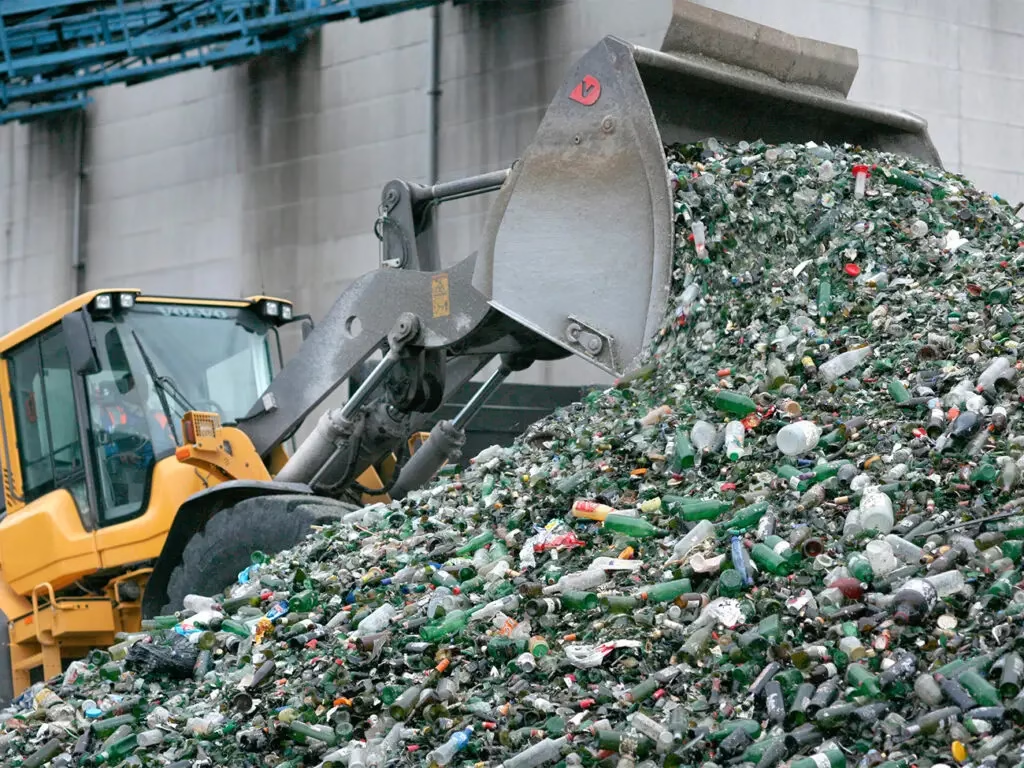
- Design for recycling: Designing products that are easy to recycle or reuse.
- Design for composting: Designing products made from biodegradable materials.
- Waste reduction: Ensuring minimal waste at the end of the product's life.
How It Differs From Related Concepts
How does it differ from circular design?
While closely related, DfS and circular design have distinct focuses. DfS is a broader concept encompassing the entire product lifecycle, considering environmental impacts at each stage. Circular design specifically focuses on the circular economy model, aiming to keep materials in use for as long as possible through reuse, recycling, and regeneration, minimizing waste and maximizing resource efficiency. DfS informs circular design by providing the principles for creating products suitable for a circular economy.
How does sustainable product design differ from eco-design?
The terms sustainable product design and eco-design are often used interchangeably. However, sustainable product design emphasizes a broader scope, integrating social and economic factors alongside environmental considerations. Eco-design, while focused on environmental impacts, may not always fully consider the social and economic aspects of sustainability. Both aim to minimize environmental damage, but sustainable product design takes a more holistic approach.
How does sustainable product design integrate with circular economy principles?
Sustainable product design is a crucial component of a circular economy. The principles of DfS- using recycled materials, designing for durability and repairability, and optimizing end-of-life management directly support the circular economy's goals of minimizing waste, maximizing resource utilization, and reducing environmental impact. Circular economy principles inform the design choices in DfS, promoting a closed-loop system where materials remain in use. For example, designing a phone for easy disassembly or repair like Fairphone does, allows for efficient component recycling, supporting circularity.
Real-World Applications
Numerous companies are successfully integrating DfS into their practices. Patagonia, known for its commitment to sustainability, uses recycled materials, designs for durability, and actively promotes repair services. Interface, a flooring manufacturer, aims for a carbon-neutral enterprise, using recycled materials and reducing its carbon footprint across its entire supply chain. Many companies are exploring bio-based materials such as mushroom packaging, demonstrating innovation in DfS. These examples highlight the practical application of DfS across different industries.
Tools and ToolKits used for DfS
A variety of tools and toolkits help designers achieve sustainability goals. Digital platforms like BIM tools (e.g., Autodesk Revit, Archicad) and plugins (Insight, Green Building Studio) enable energy analysis and carbon footprint assessment within design workflows. Energy modeling and Life Cycle Assessment (LCA) tools (such as Sefaira and the 2030 Carbon Calculator) simulate energy use and environmental impacts of materials. Broader platforms like Plan A and Workiva support carbon accounting and ESG reporting. Specialized toolkits, such as the AISC Sustainability Designer Toolkit and frameworks like the Circular Design Strategy Wheel, guide teams in reducing environmental impact and integrating circular economy principles into their projects.
Common Misconceptions
- DfS is only for “green” products: DfS applies to all products. Even products not explicitly marketed as “sustainable” can benefit from integrating DfS principles to improve their environmental performance.
- DfS is too expensive: While upfront investments may be necessary, DfS often leads to long-term cost savings through reduced material consumption, waste management costs, and improved product longevity.
- DfS is only about recycling: Recycling is a crucial component, but DfS considers the entire lifecycle, including material extraction, manufacturing, use, and end-of-life management.
- DfS is just a marketing gimmick: Companies genuinely committed to sustainability integrate DfS throughout their operations, not just for marketing purposes.
Challenges or Controversies
- Quality of Recycled Materials: One of the main concerns many companies have when it comes to using recycled materials is their quality. However, over the years, they have undergone significant improvements in their quality making them a viable alternative to virgin materials. At BangDesign we have a network of suppliers to utilize. The quality of recycled materials depends on the source and the process used to recycle them.
- Life Cycle Assessment (LCA) complexities: Accurately assessing the environmental impacts of a product throughout its lifecycle can be complex and resource-intensive.
- Balancing competing priorities: DfS requires balancing environmental, economic, and social factors, often involving trade-offs.
- Lack of standardized metrics: A lack of universally accepted metrics makes comparing the sustainability of different products challenging.
- Greenwashing concerns: Some companies may engage in "greenwashing," misleadingly marketing products as sustainable without genuine commitment to DfS principles.
Trends and Future Outlook
Several trends are shaping the future of DfS:
- Increased use of bio-based materials: Innovation in bio-based materials is rapidly expanding, offering sustainable alternatives to traditional materials.
- Advances in recycling technologies: New technologies are improving recycling rates and enabling the recycling of more complex materials.
- Growing demand for transparency and traceability: Consumers are demanding greater transparency about the environmental impacts of products throughout their supply chains.
- Integration of digital technologies: Digital tools are being used to optimize DfS processes, from design to manufacturing to end-of-life management.
- Focus on circular economy models: DfS is becoming increasingly integrated with circular economy principles, promoting reuse, repair, and recycling.
FAQs
Q1: Is Design for Sustainability only about environmental concerns?
No, it encompasses environmental, social, and economic factors, ensuring sustainability across all aspects of the product lifecycle.
Q2: How can I apply DfS principles in my own designs?
Start by conducting a lifecycle assessment, selecting sustainable materials, designing for durability and repairability, and considering end-of-life management.
Q3: Are there any certification schemes for sustainable products?
Yes, several certifications exist, such as Cradle to Cradle Certified™ and LEED, although the landscape is complex and constantly evolving.
Q4: What role does technology play in DfS?
Technology plays a significant role, enabling innovations in material science, manufacturing processes, and lifecycle assessment tools.
Q5: What is the difference between Sustainable Design and Green Design?
While often used interchangeably, Sustainable Design is a broader term encompassing the entire lifecycle and its impact, including social and economic aspects, whereas Green Design primarily focuses on the environmental impact.
Summary
Design for Sustainability is no longer a niche concept but a critical component of responsible product development. By integrating environmental considerations throughout a product's lifecycle, DfS aims to minimize environmental impacts and create a more sustainable future. While challenges remain, the increasing awareness of environmental issues, coupled with technological advancements, is driving innovation and widespread adoption of DfS principles. Embracing DfS is not just an ethical choice; it's a strategic imperative for businesses and society as a whole. Understanding and implementing DfS principles is crucial for building a more sustainable and resilient future.