IP Ratings Describe Static Conditions. Construction Is Dynamic.
Certification protocols test seals against steady pressure and clean water for short durations. Building site hardware faces a different physics: conductive masonry dust infiltrates through micro-gaps opened by vibration, then hardens when exposed to humidity or rain. This progressive seal failure happens through thousands of thermal expansion cycles as devices move between heated site trailers and exposed scaffolding.
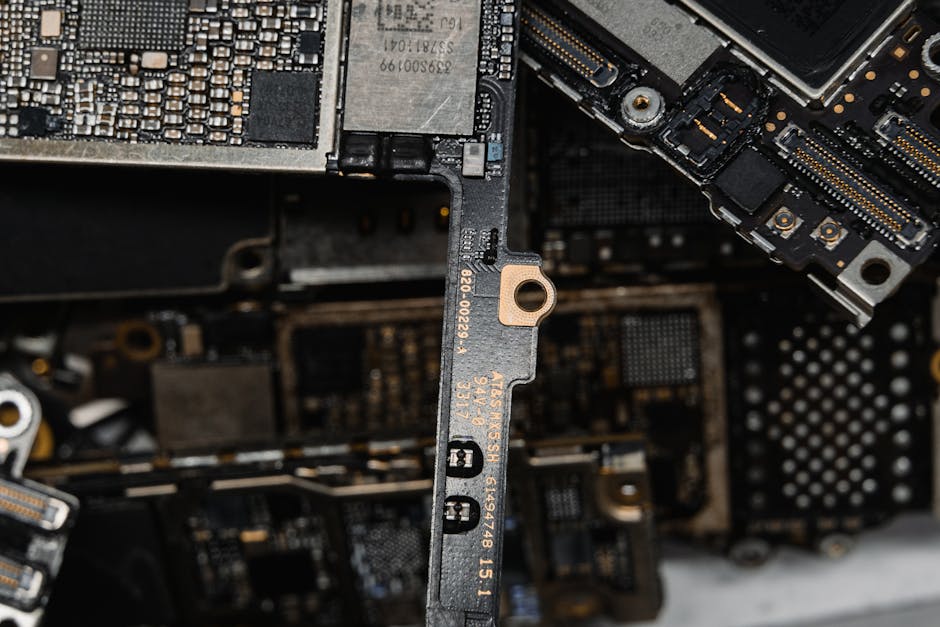
Photo by Tima Miroshnichenko on Pexels
Sealing redundancy matters more than initial rating. A single o-ring in a magnesium housing will creep under sustained compression; a dual-seal system with a secondary labyrinth channel maintains protection even when the primary seal relaxes. Design teams must test for cyclical loading, not just peak load, because field conditions apply chaotic forces that simulate years of consumer use in a single quarter.
Thermal Conductivity and Impact Absorption Are Competing Constraints
That progressive loosening accelerates when materials expand at different rates. Aluminum chassis conduct heat efficiently but transmit impact forces directly to the PCB. Magnesium alloys damp vibration better yet suffer from galvanic corrosion when dissimilar fasteners contact wet steel. Elastomeric overmolds absorb drops but insulate thermally, trapping processor heat in direct sunlight.
Material selection becomes the hinge between mechanical survival and functional performance. A surveyor using a construction rugged tablet on a rooftop in August needs the processor to maintain clock speed while calculating angles in 50°C ambient temperatures. If the housing prioritizes drop protection over thermal rejection, the silicon throttles and the task fails. Successful building site hardware uses hybrid architectures: rigid internal frames for PCB mounting and thermal paths, surrounded by tuned elastomeric structures that manage impact while allowing heat rejection through specific radiative surfaces.
The Real Impact Surface Is Sharper Than Concrete
MIL-STD-810G drop specifications assume flat concrete slabs. Construction sites present point hazards: rebar stubs, angle iron, crushed aggregate, and fastener heads. These concentrate impact energy into contact areas smaller than a fingernail, generating localized stresses that exceed the yield strength of common housing alloys.
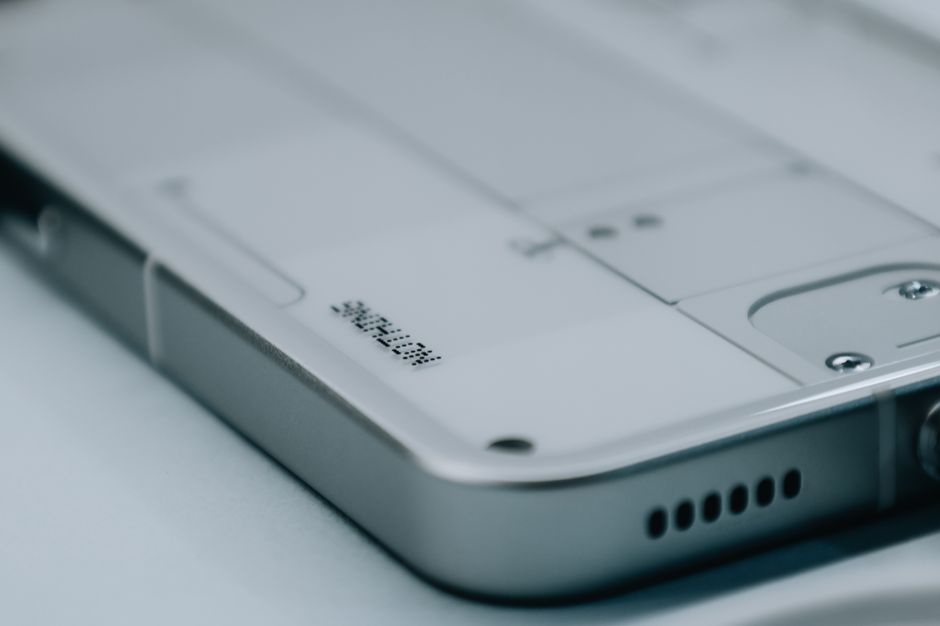
Photo by Prashant Gautam on Pexels
Energy management through geometry matters more than material thickness. Rounded corners distribute impact forces across compliant structures; sharp edges act as stress concentrators that fracture on first contact. Panasonic‘s Toughbook uses cantilevered corner structures that flex independently of the main chassis, a strategy that works for laptops because their weight distribution differs from handheld devices, where the center of gravity sits closer to likely impact points. Jobsite handheld design must incorporate specific corner geometries that convert point loads into shear forces the housing can absorb, rather than transmitting them directly to the display stack.
Connectivity as a Structural Problem
A housing that survives impact is useless if it cannot maintain data synchronization in areas with marginal cellular coverage. Radio frequency transparency requires dielectric windows that compromise the very sealing integrity the chassis provides. Metal enclosures block antennas; thick polycarbonate allows RF passage but scratches easily, creating micro-channels for dust infiltration.
Failed data sync on remote sites forces return trips for rework, multiplying the total cost of device failure beyond the hardware replacement itself. Construction mobile technology must integrate antenna apertures as primary design inputs, not afterthoughts. This often means relocating cellular and GPS modules to positions behind RF-transparent dielectric inserts that are recessed below the outer elastomeric skin, protecting the window from direct abrasion while maintaining signal integrity.