Chemical Exposure Degrades Standard IP68 Seals Beyond Water Rating
Standard rugged tablets from manufacturers like Panasonic Toughbook advertise IP65 or IP68 ratings against water and dust. But floodwater contains petroleum distillates, corrosive drywall compounds, and microbial contaminants that degrade standard seals. Smoke damage assessments require entry into structures with airborne particulates that chemically attack silicone gaskets. A property inspection rugged tablet needs material specifications that account for hydrocarbon exposure, not just submersion depth. Silicone swells and loses elasticity when exposed to fuel; fluorocarbon compounds maintain integrity but increase unit cost by thirty to forty percent. The wrong material choice means the device survives the drop test but fails three months later when the gasket degrades and humidity breaches the camera module. That degradation timeline matters because adjusters work disaster zones through 18-month deployment cycles, often storing devices in contaminated vehicles. The seal protects more than the circuit. It preserves the timestamp metadata that proves the photo was taken before temporary repairs or secondary water damage altered the scene, maintaining admissibility under evidence authentication standards.
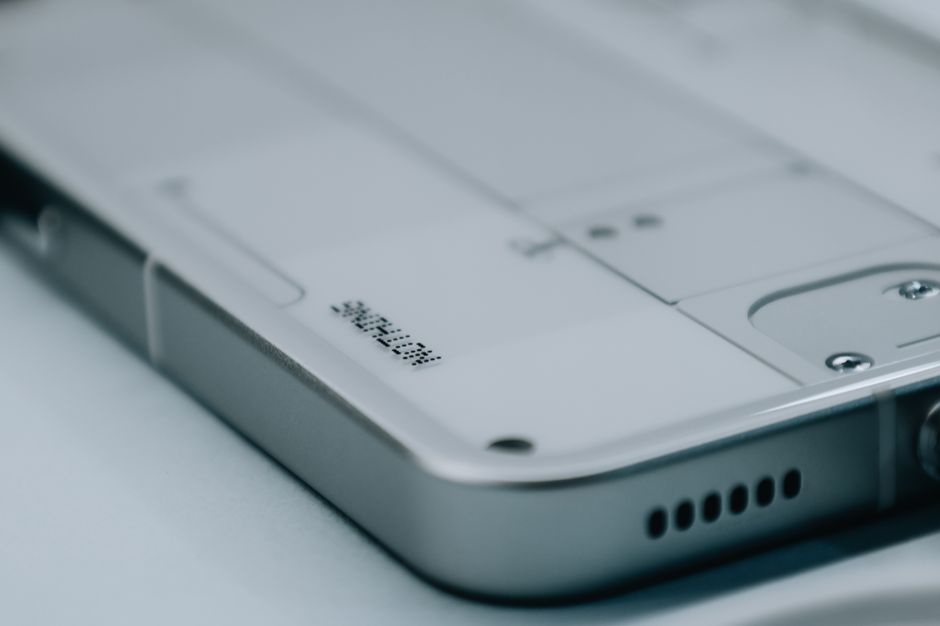
Photo by Prashant Gautam on Pexels
PPE and One-Handed Operation Eliminate Capacitive Touch
Those contaminated environments dictate input methods in ways that consumer mobility ignores. An adjuster documenting mold in a flooded basement often works one-handed, holding a flashlight between teeth while stabilizing themselves against joists. They cannot remove protective gloves to operate capacitive touchscreens without contaminating their hands or the device. Voice control fails in high-wind exterior assessments or near portable generators roaring in the background. This operational reality drives damage assessment hardware toward resistive touch layers or dedicated physical capture buttons. Resistive screens sacrifice multi-touch gestures but register pressure through latex, nitrile, and dust-coated fingertips. Some field adjuster device designs integrate side-mounted shutter buttons with three-millimeter tactile travel sufficient to feel through work gloves, ensuring the camera triggers even when the display is obscured by rain, ash, or chemical residue. The interface decision becomes a documentation reliability calculation. If the adjuster cannot capture the image at the moment of discovery, the inspection halts. The cost of that interruption exceeds the hardware price when daily claim quotas determine adjuster revenue and customer satisfaction scores directly impact carrier retention rates.
Thermal Throttling Corrupts Evidence During Peak Exposure Hours
Once captured, the data must survive the thermal realities of the job. High-resolution cameras and 5G radios generate significant heat. In direct sunlight on asphalt shingle roofs during summer assessments, consumer devices throttle performance to cool, risking file corruption or shutdown. For insurance documentation devices, thermal throttling creates litigation exposure. A dropped geotag or corrupted timestamp creates a coverage dispute that can cost the carrier fifty thousand dollars in wrongful payment or bad faith exposure. Thermal management in field insurance device engineering requires heat pipes or vapor chambers that maintain camera sensor performance at fifty-degree ambient temperatures. Processors should be underclocked at the factory, not throttled dynamically, to guarantee sustained operation during extended 4K video recording of structural cracks or continuous lidar scanning. This engineering choice reduces benchmark scores and snappiness but ensures EXIF data integrity and file system stability. A slower device that completes the inspection without corruption beats a faster one that shuts down mid-capture, leaving the adjuster without proof of damage and forcing a return visit.
Photo by Prashant Gautam on Pexels