How Iron Ore Dust Shorts Sealed Circuit Boards
Iron ore dust measures between 1 and 100 microns. It is electrically conductive, abrasive, and hydrophilic. When it settles on a PCB trace carrying 12V, it bridges gaps that conformal coating was meant to isolate. Standard cleanroom standards like ISO 14644 assume controlled environments. Underground, the air carries particulate concentrations that clog passive vents within days. This is why standard IP68 sealing often proves insufficient for deep extraction work. The sealing surfaces on a consumer-grade device assume laboratory cleanliness. Underground, mud packs into gasket grooves, creating leak paths that bypass O-rings entirely.

Photo by Kefentse Molotsane on Pexels
Gasketing on a mine site rugged handheld must be designed as a wear item, not a permanent fixture. Maintenance crews need to inspect seals without factory tools. A compression latch that requires a torque driver will be under-tightened by freezing fingers wearing impact gloves. The consequence is that your ingress protection strategy must assume user maintenance under the worst possible conditions. Devices that require factory service for seal replacement accumulate downtime costs that exceed their purchase price within a single quarter.
ATEX Categories Lock Your Battery and Thermal Strategy
Underground coal and hard rock operations carry methane and coal dust atmospheres that demand explosion-proof mining hardware. ATEX certification determines whether you can use a Li-ion battery at all. Intrinsic safety (Ex i) limits energy storage so that a short cannot ignite gas. Flameproof enclosures (Ex d) contain explosions internally. Encapsulation (Ex m) buries components in potting compound. Each path imposes constraints on thermal management, battery replacement, and I/O architecture.
The choice between these protection concepts locks in your user experience before industrial design begins. Intrinsic safety might ban hot-swappable batteries. Flameproof enclosures add weight that strains harness mounts. Encapsulation prevents field repair. Companies like Getac and Panasonic have built rugged portfolios, but their off-the-shelf units often require external IS barriers for underground deployment, adding cabling complexity that fails in confined spaces where a gas detector must sit in a miner’s pocket. The teams that succeed map these constraints to specific moments of use, checking gas levels at the coal face, logging maintenance tags while covered in mud, before selecting a protection strategy.
Sealed Enclosures Create Thermal Runaway Risk
A sealed enclosure that blocks dust and gas also blocks heat. Processors in harsh environment mining devices cannot throttle performance when the ambient temperature already approaches 50°C. Heat pipes and thermal vias reach diminishing returns when the case itself is an insulator.
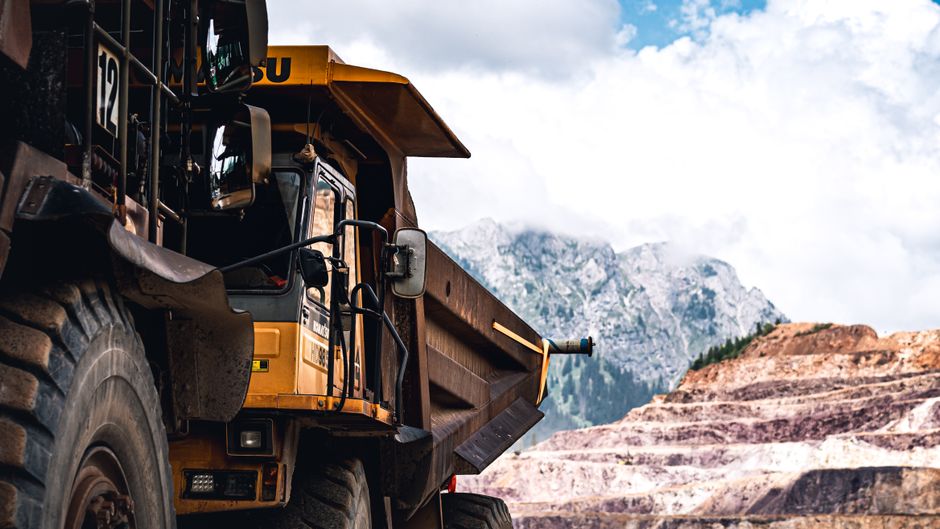
Photo by Usame Dzinovic on Pexels
This forces material choices that serve dual masters. Aluminum die-castings require careful isolation of circuits to prevent incendive sparking across creepage distances. Engineering polymers must meet UL94 V-0 ratings while maintaining thermal conductivity above 1.5 W/mK. The thermal design becomes an ignition source analysis. A processor running at 85°C in a 45°C ambient creates a surface temperature that approaches T-rating limits for T6 (85°C) classifications. Passive cooling strategies must account for the fact that the device might be stuffed into a pocket against the body, or laid on sun-heated shale. Your BOM decisions are therefore safety decisions, not performance optimizations.