How Combined Stresses Exceed Lab Test Conditions
The failure begins with specification mismatches. A renewable energy rugged tablet certified for 1.5-meter drops and dust ingress will survive the laboratory. On a turbine nacelle, that same device experiences simultaneous solar thermal loading, constant low-frequency vibration from gearbox rotation, and barometric pressure shifts during technician ascent. Standard rugged validation tests these stresses sequentially. The field compounds them.

Photo by Trinh Trần on Pexels
Thermal cycling causes gasket compression set while vibration accelerates particulate infiltration along seal interfaces. UV degradation of elastomers happens faster at altitude where atmospheric filtration decreases. The result is gradual ingress that short-circuits warranty calculations. When designing solar farm rugged hardware, the design team must treat UV exposure, diurnal temperature swings, and particulate abrasion as simultaneous inputs rather than sequential tests. Validation requires environmental chambers that overlay these stresses, not checkboxes on a datasheet.
Why Black Rugged Housings Fail in Direct Solar Load
That environmental overlap creates thermal management paradoxes. In PV maintenance device design, the hardware sits in direct solar load on reflective aluminum surfaces that can exceed 60°C ambient. Traditional rugged tablets use black, thermally conductive housings to spread internal component heat. In solar applications, those housings become solar collectors.
The consequence is thermal throttling, battery derating, and display dimming precisely when technicians need maximum brightness for glare-filled visual inspections. The architectural response requires inverting consumer electronics logic. Instead of conducting heat from chips to the shell, the shell must reject external heat while insulating internal electronics. Ceramic coatings, aerogel barriers, and actively cooled internal chambers replace aluminum unibodies. Touch controllers require calibration for gloved operation across temperature ranges where capacitive response drifts. If the device cannot maintain specified brightness and touch accuracy at 50°C ambient with thermal gloves, it fails the primary use case regardless of its drop specification.
Altitude Changes Create Pressure Differentials That Pull in Dust
Thermal management requires breathing, yet the environment forbids it. Climbing a turbine creates rapid altitude changes; desert solar sites see 30°C temperature swings within hours. These shifts generate pressure differentials between sealed housings and ambient atmosphere.
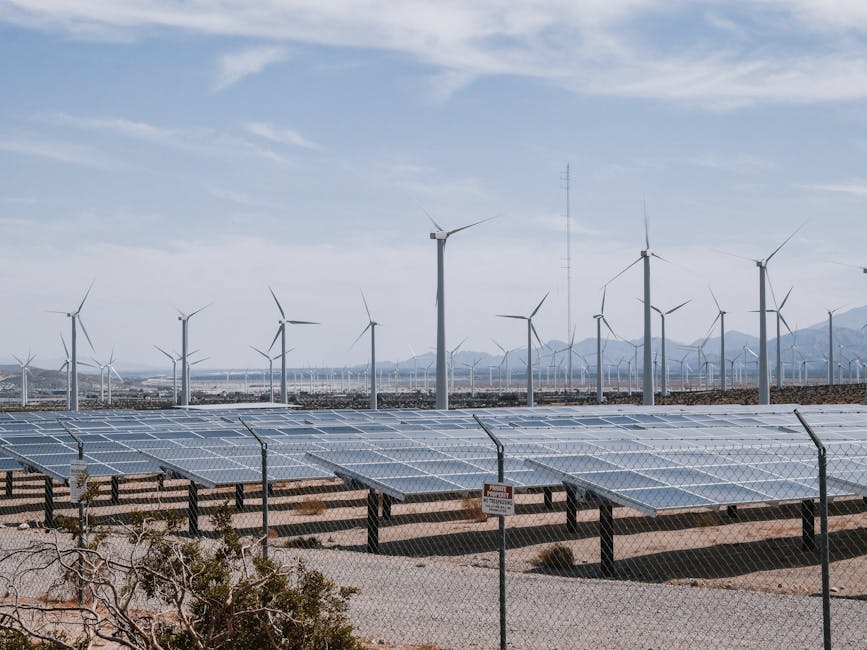
Photo by Kindel Media on Pexels
Hermetic sealing assumes static pressure. Field reality involves pumping action that draws dust and moisture past static O-rings during the pressure equalization that occurs when a technician descends from nacelle to ground. Wind turbine technician device specifications must include pressure-equalization membranes, hydrophobic, oleophobic barriers that allow air exchange while blocking particulates. Trimble and Sonim have utilized breather valve technologies in utility-focused hardware, recognizing that a device sealed for submersion fails when barometric pressure drops during a 200-foot ascent, a constraint absent from warehouse or vehicular deployment where elevation changes remain minor. The membrane specification becomes as critical as the IP rating itself.
How Turbine Harmonics Loosen Components That Truck Vibration Tests Miss
Pressure differentials occur within environments of constant mechanical stress. Wind farm inspection devices experience fundamentally different vibration profiles than logistics hardware. Transportation vibration occurs in random, broadband spectra. Turbine nacelles generate harmonic, low-frequency vibration synchronized to blade rotation and gearbox mesh frequencies, creating resonance patterns that standard mil-spec shock testing does not replicate.
These specific frequencies loosen thread-locking compounds, cause connector fretting corrosion, and delaminate displays from their optical bonds. Standard screw torque specifications assume transport shock, not continuous resonance. The mechanical architecture must isolate the PCB stack from the chassis through tuned vibration dampers, pot critical connections in flexible epoxy, and use floating display mounts that prevent harmonic amplification. Battery connections, often simple spring contacts in consumer devices, become wear items under constant vibration and require positive-locking, multi-point contact systems. Every connector must assume it will vibrate for six hours daily for five years.