When the Chassis Is the Firewall
Environmental sealing and cryptographic sealing share a physics problem. A gasket compressed to achieve IP67 ingress protection also creates the pressure differential that triggers a tamper switch if the housing is pried open. In secure data capture device design, the seam between display and bezel is not a cosmetic line but a potential attack vector. Production devices like the Zebra TC5x series or Honeywell Dolphin lines use conformal coatings to protect PCBs from moisture while simultaneously preventing probe attacks on memory buses, a dual-purpose material selection that forces you to validate polymer choices against FIPS 140-2 Level 3 requirements before prototyping, since a polymer chosen for impact resistance might transmit too much thermal energy and betray cryptographic operations to infrared cameras.

Photo by Tima Miroshnichenko on Pexels
Heat Dissipation Creates Signal Leakage
The processor generating heat in a sealed enclosure creates a side channel. Differential power analysis can extract encryption keys from the thermal signature of a CPU under load, particularly in devices running on predictable battery discharge curves. Secure field device engineering requires thermal vias and heat sinks to be positioned not only for performance but for security. Isolating the cryptographic module thermally from the application processor prevents power analysis attacks that correlate heat patterns with computation. This constraint often forces larger wall thicknesses or specialized potting compounds that conduct heat away from sensitive components while maintaining radio frequency shielding. The placement of a copper slug for heat dissipation becomes a decision about side-channel leakage. When the device operates in direct sunlight on a desert flight line, the thermal gradient across the chassis must not reveal which component is performing AES operations.
FIPS Compliance as Mechanical Specification
Achieving FIPS-compliant field device status requires specific physical mechanisms. Level 3 certification demands tamper-evident seals or tamper-detection circuitry that zeroizes keys upon breach. This is not a firmware feature. It requires mesh enclosures embedded in potting material, flexible circuits that fracture when cut, or microswitches positioned behind every fastener. The industrial design must accommodate opaque epoxy fills that prevent X-ray inspection of memory layouts while still allowing field-serviceable batteries. Fastener selection moves beyond standard Torx to tamper-resistant bit patterns that require specialized tools, not because of corporate IT policy, but because the standard mandates evidence of physical attack. The hardware literally bleeds data when wounded.
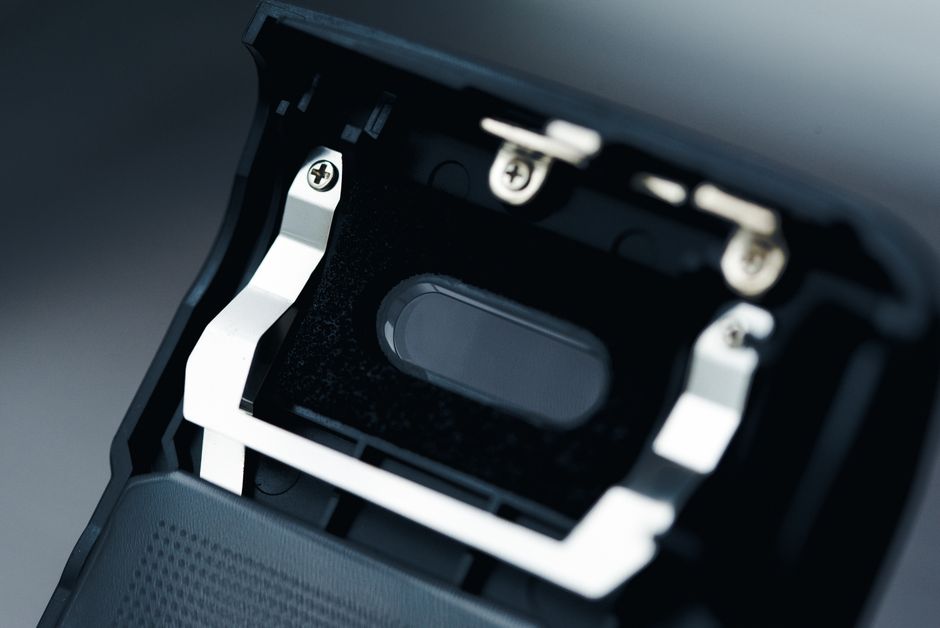
Photo by Stanislav Kondratiev on Pexels
The Moment of Use in Subzero Conditions
Consider the utility worker reading gas meters in a Minnesota February. The device must function at minus 20 degrees Celsius with battery capacity degraded by the cold. The worker enters a warm truck to file reports, creating condensation that threatens internal components. If the device is left on the dashboard and stolen, the tamper-resistant data capture hardware must distinguish between thermal shock from legitimate use and drilling attempts by an adversary. The secure handheld data collection workflow requires the device to remain encrypted and locked during temperature transitions that cause material expansion and contraction. Gaskets compress and release; the tamper detection must not false-trigger from legitimate thermal cycling, yet must trigger from prying force measured in newtons, not temperature differentials. The worker cannot wait thirty seconds for a secure boot cycle while standing in a snowbank. The authentication must be biometric or token-based, fast enough for frozen fingers, yet resistant to coercion attacks that might occur in isolated field locations.