Skin Contact Duration Determines Clinical Utility More Than Sampling Frequency
The primary failure mode of most continuous vitals tracking systems is not inaccurate data but missing data. A hospital-grade wearable that delivers perfect ECG waveforms for twelve hours daily is clinically inferior to one that delivers adequate waveforms for twenty-three hours, yet engineering teams consistently prioritize signal fidelity over retention mechanics. This misallocation stems from inheriting the validation frameworks of bedside monitoring, where disconnection triggers immediate staff intervention and reconnection. In the home, disconnection goes unobserved and often unreported, creating dangerous gaps in longitudinal records that algorithms interpret as stability.
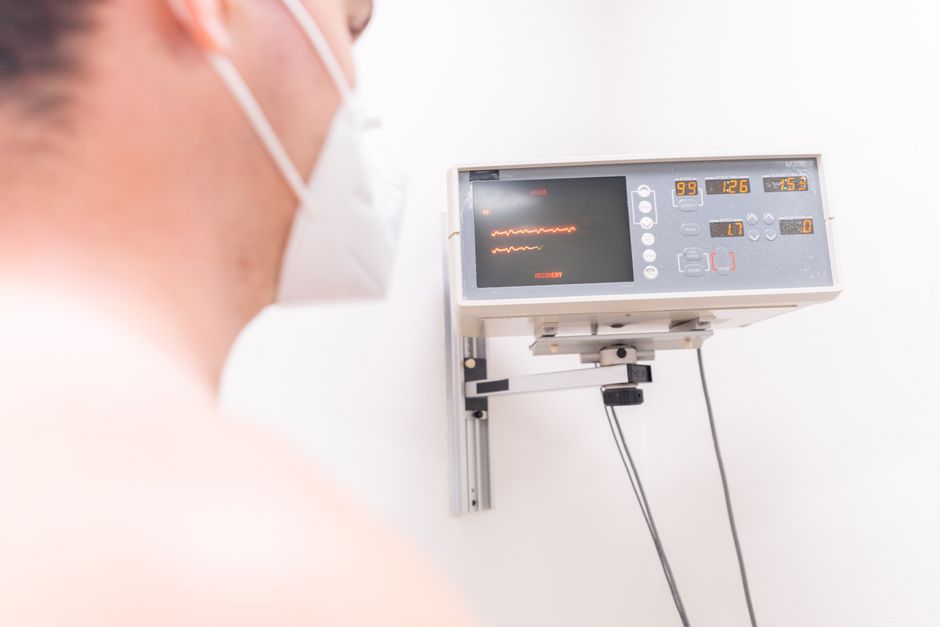
Photo by Los Muertos Crew on Pexels
The industrial design must therefore treat removal as the enemy. Battery architecture should prioritize multi-day endurance over fast-charging convenience, because patients abandon charging protocols within seventy-two hours of prescription, especially elderly populations with limited outlet access. Strap mechanisms must accommodate nocturnal swelling and diurnal circumference changes without loosening, because repositioning requires cognitive load that fatigued patients will not sustain through sleep cycles. The implication is severe: power management and material compliance are clinical parameters, not convenience features. A remote patient monitoring device that demands daily interaction with its charger is designing itself into clinical irrelevance.
FDA Medical Device Design Requires Explicit Uncertainty Visualization
That same pressure to maintain skin contact creates a secondary liability. When a clinical wearable operates in unsupervised environments, it must communicate its own confidence intervals to users who lack clinical training to interpret raw waveforms. Hospital monitors display complex traces to trained eyes that contextualize artifact; home devices must display states to untrained users who may panic at benign irregularities or ignore critical thresholds due to desensitization.
The regulatory pathway shapes interface architecture. FDA medical device design standards for remote monitoring require documented failure modes, which means the UI must distinguish between “low heart rate” and “signal lost,” between “arrhythmia detected” and “motion artifact suspected.” Most consumer wearables mask uncertainty to preserve user confidence; patient monitoring wearable design must expose uncertainty to preserve clinical validity. This demands dual-path validation: algorithms must validate signal quality before physiological inference, and interfaces must render that validation legibly without inducing alarm fatigue. The designer inherits the burden of teaching patients when to trust the device and when to distrust it, effectively embedding a clinical technician into the firmware.
Hospital-Grade Wearable Materials Must Survive Domestic Laundering Cycles
Maintaining permanent contact requires material science that can withstand biological and domestic realities hospital equipment never faces. Skin interfaces for continuous vitals tracking encounter a chemical environment that shifts with medication, fever, sweat composition, and soap residue. Adhesives that maintain biocompatibility during sedentary hospital stays often fail during domestic activity or showering, creating the very discontinuities that ruin longitudinal studies.
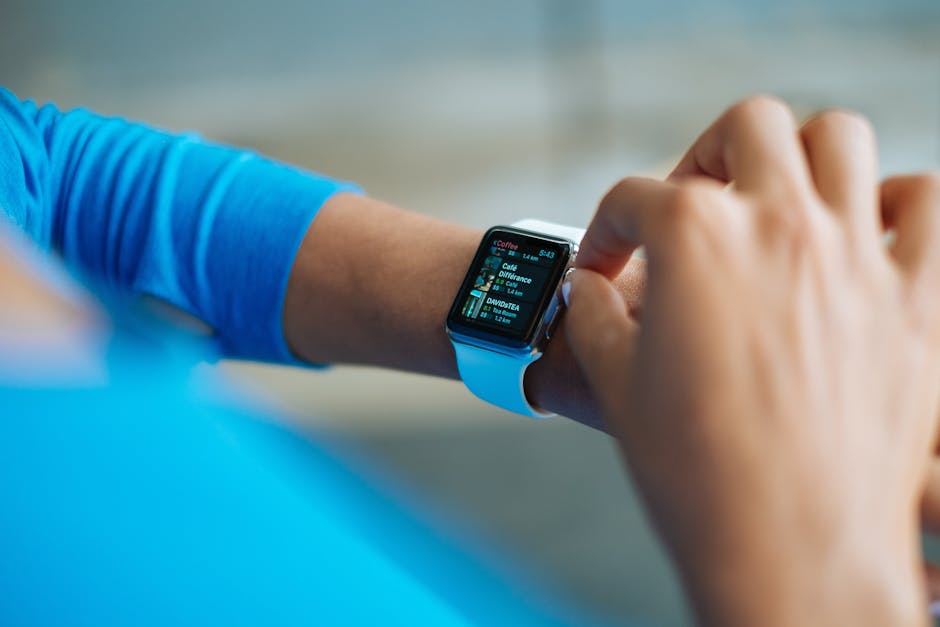
The material selection expands beyond ISO 10993 standards to include laundering resilience and adhesive fatigue under torsion. Straps must tolerate antimicrobial soaps that degrade standard TPEs. Enclosures must withstand steam sterilization protocols when patients are immunocompromised, yet remain light enough for elderly wrists with reduced muscle tone. Material specifications become clinical risk management documents rather than commodity selections. A bedside monitoring wearable assumes replacement every shift; a remote patient monitoring device must assume replacement every eighteen months with zero maintenance intervals. The supply chain and BOM choices are therefore predetermined by the hygiene protocols and physical fragility of the target patient population.