Furniture First, Tool Second
Since the living room governs the constraints, your accessory enters the home as an interior design object before it ever becomes a tool. A gaming peripheral that succeeds on PC can fail on console simply because it clashes with mid-century modern furniture or occupies too much space on an entertainment center. The PS5 and Xbox controller accessory market demands matte finishes that hide dust, cables that coil neatly into storage cavities, and silhouettes that read as intentional when perched on a shelf. Sony’s Pulse 3D headset communicates domestic acceptability through its restrained white plastic and lack of visible RGB, while SteelSeries Arctis Nova Pro models include base stations designed to resemble small audio components rather than gaming equipment. This visibility requirement filters every material choice downstream, because the surface that looks acceptable on oak veneer must also survive being gripped at fourteen pounds of pressure per square inch during a competitive match, and because the microphone boom that tucks away for storage must still extend precisely when flipped down during gameplay.

Photo by Mikhail Nilov on Pexels
Performance Materials in Domestic Conditions
The surface requirement creates the central mechanical paradox of console gaming hardware: the device must tolerate food grease, pet hair, and the occasional drop onto carpet while maintaining the precision of laboratory equipment. The human moment arrives at 2 AM during a boss fight, when palms sweat and grip force triples. Console controllers are engineered for the user to wear them like skin for four-hour sessions, depositing sebum and dead cells into every seam. SCUF controllers and Microsoft’s Elite Series 2 use PBT polymers and textured elastomers specifically because soft-touch coatings, common in automotive interiors, turn sticky after six months of biological contact. The texture must provide purchase when hands are dry but not abrade skin when moist, a balance that requires laser-etched patterns at specific depths. When the coating degrades or the texture fills with grime, the device becomes unusable not because the electronics failed, but because it feels disgusting to touch—a domestic failure that drives warranty claims and brand abandonment.
Cable Failure and Real-World Motion
The same hands that deposit skin oils also generate sudden violence. Cable strain relief becomes critical because console gamers move differently than PC users. Where PC players remain fixed at a desk, console players recline, shift positions, and stand up suddenly when a match ends. This behavior creates failure modes that bench testing never captures. The cable catches on couch arms, controllers get thrown onto cushions, and USB connectors experience lateral torque that vertical insertion testing never simulates. SteelSeries and Razer have shifted toward wireless solutions partly for convenience but primarily because the physical connector represents the highest failure rate in warranty returns—a gap that wireless eliminates but introduces battery anxiety and latency concerns that wired connections avoid. The ideal console accessory bridges this gap with magnetic breakaway cables or reinforced strain relief that can withstand being caught on a coffee table when the user stands abruptly to celebrate a victory. Most wired accessories fail in the field after three months when subjected to the angular force of a headset being ripped away during a celebratory jump from the sofa, not from any defect in the connector itself.
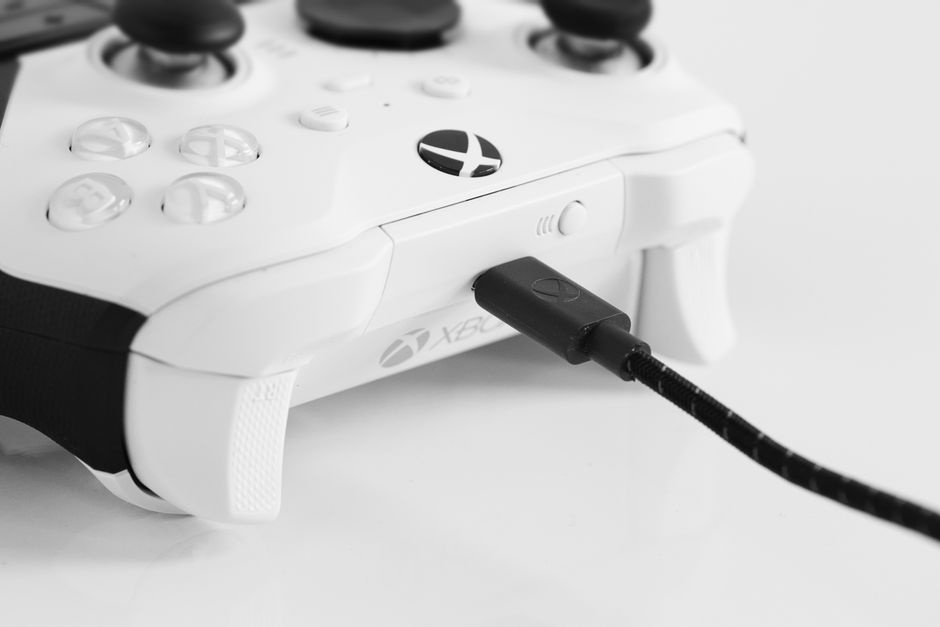
Photo by Ruben Boekeloo on Pexels