The Giver and Recipient Evaluate Different Time Horizons
The giver and recipient inhabit different psychological spaces. The giver evaluates at point of purchase, seeking tangible proof of thoughtfulness—heft, surface quality, packaging that photographs well. The recipient evaluates during first use, seeking intuitive function. Most gift electronics hardware fails by optimizing for only one. Fujifilm’s Instax cameras succeed because the retro tactile design signals care to the buyer while the instant print utility delights the recipient; conversely, early smart home hubs flopped as gifts because their value required network setup that the recipient had to perform alone. The engineering specification must satisfy both audit modes: the visual-tactile assessment at T-minus-zero, and the functional assessment at T-plus-thirty-minutes.

Photo by www.kaboompics.com on Pexels
Occasion Gift Device Engineering Choreographs Ritual
Occasion gift device engineering treats the unboxing as a choreographed sequence, not a containment problem. The resistance of a magnetic closure, the acoustics of a tray sliding free, the orientation of the device when the lid lifts—these are signal integrity issues in giftable contexts. Apple’s accessory packaging established the baseline: the slow descent of an inner box due to air pressure differentials creates temporal suspense. For smaller startups, this means designing packaging tolerances to ±0.2mm so that inserts release with consistent friction, not because users measure gaps, but because variance reads as cheapness when witnessed socially. The device must achieve neutral buoyancy in the hand immediately upon lifting—density between 1.8-2.2 g/cm³ reads as substantive without becoming fatiguing.
Premium Gift Product UX Assumes Zero Context
Premium gift product UX must assume the recipient has no prior knowledge of the product category and no relationship with the brand. Unlike retail electronics, where the buyer self-selects based on research, gift electronics arrive without context. This means the first-boot experience cannot require account creation before demonstrating value. Ember Travel Mugs ship charged; the recipient feels heat within seconds of pressing a button, experiencing the core value before downloading an app—a choice that treats unboxing as the moment of truth, not the beginning of a setup process. Thoughtful tech gift design frontloads the “magic moment”—the specific interaction that validates the giver’s taste—into the first 90 seconds. If the device requires firmware updates, Bluetooth pairing, or WiFi credentials before that moment, the social gift ritual collapses into technical support.
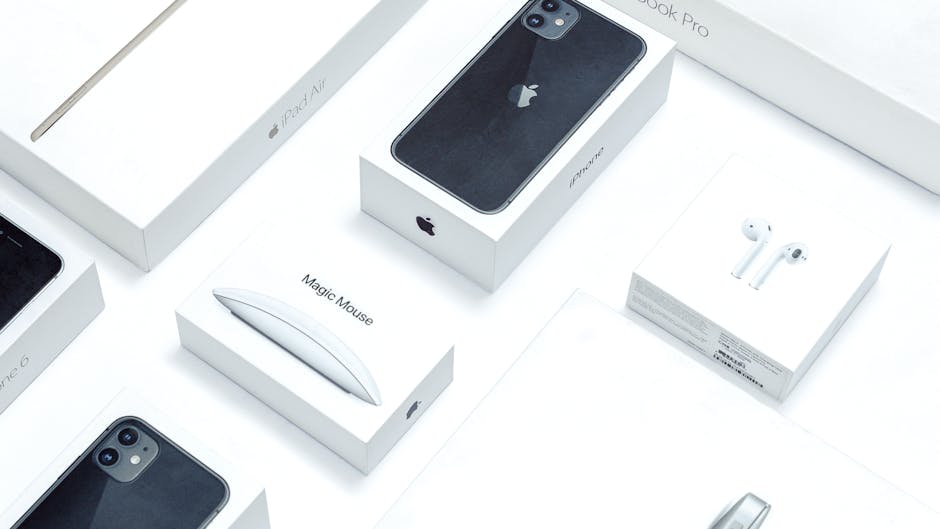
Photo by Alan Quirván on Pexels
Gift-Worthy Gadget Packaging Survives the Drawer of Shame
Gift-worthy gadget packaging is the primary user interface for the giver and the secondary interface for the recipient. Structurally, this requires designing for shelf appeal and living room appeal simultaneously. Materials must survive the retail environment—scuff-resistant matte laminates, foil stamping that doesn’t crack at creases—while photographing under variable home lighting. The packaging must also store the device safely through the “drawer of shame” period if the recipient delays use. Imagine the recipient three weeks post-birthday, retrieving the box from a closet; if the magnetic flap has lost its hold or the interior velvet has collected dust, the reconsideration feels like disappointment. Engineering for this means selecting closed-cell foam densities that don’t off-gas plastic odors and paper pulps that resist humidity distortion over six months. Shareable gift electronics depend on the packaging remaining intact through the social performance of gifting; torn cardboard or stained foam undermines the ceremony.