Engineering for Controlled Variance
A tribal artifact requires specific textures, colors, and finishes that mass production rejects. When Teenage Engineering released the black OP-1, they reformulated the aluminum anodizing to achieve a specific matte depth that photographs differently under studio lighting—a detail only synthesizer forums debated. This precision creates manufacturing variance. Standard electronics optimize for six-sigma consistency; superfan electronics hardware tolerates intentional deviation because hand-finishing, localized laser etching, and small-batch anodizing introduce micro-variations that read as authenticity rather than defect.
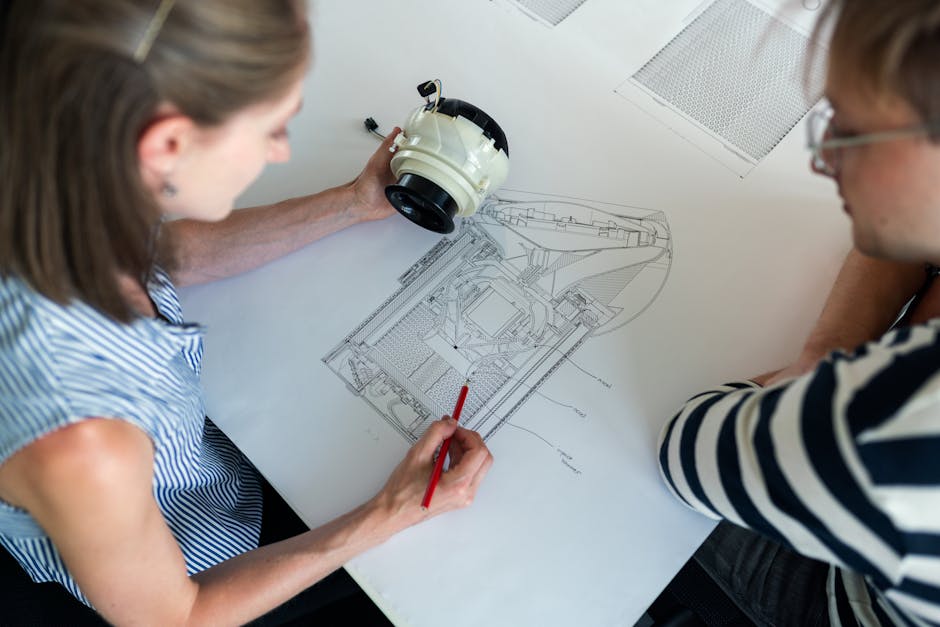
Photo by ThisIsEngineering on Pexels
The engineering challenge shifts from repeatability to controlled singularity. Each unit must feel individual without feeling defective. This demands fixture design that accommodates manual operations—jigs that hold devices for artisan-level engraving rather than robotic precision. It also requires acceptance criteria that differ from your standard SKU. A scratch on a regular phone initiates a return. On a distressed titanium limited edition, that same mark might be within spec if it aligns with the intended patina narrative. Your quality team needs new protocols, not just new checklists.
Supply Chain as Narrative Device
Those manual finishes require materials with traceable origins, because superfans interrogate provenance with the same intensity they scrutinize specifications. When OnePlus released the 6T McLaren Edition, they used papaya orange-tinted carbon fiber developed for Formula 1 monocoques—not because the phone needed structural reinforcement, but because the material told a story about velocity and engineering heritage. Collector’s edition device engineering treats the bill of materials as a narrative script that requires sourcing agents who speak the language of subcultural history.
This changes supplier relationships. You are no longer sourcing aluminum; you are sourcing specific billets from specific smelters, sometimes waiting months for a color match that satisfies the reference. You might reject an entire batch of genuine leather because the grain pattern does not match the archive photography from the collaboration partner’s 1972 catalog. Special variant product design requires procurement teams who understand cultural semiotics, not just logistics. The extra cost is not waste; it is the production budget for meaning.
Designing for the Glance Across the Room
The meaning encoded in materials must activate during a specific moment of use—the unboxing or the moment of display when the device leaves the pocket in a context where recognition matters. The hardware must photograph distinctively under Discord video compression or coffee shop lighting, where subtle texture differences read as status signals to trained eyes. If the variation only reveals itself under macro photography, you have engineered for reviewers, not owners.

Photo by Đậu Photograph on Pexels
Consider how the Nothing Phone (2a) Plus Community Edition uses a transparent back panel with specific circuit traces exposed. The design only achieves its purpose when the owner places it on a table during a meeting or streams with it visible on camera. The Glyph interface patterns are not functional lighting but performative signaling. Exclusive tech product design must choreograph these reveals, engineering the housing to catch light at specific angles or incorporating magnetic elements that align with custom stands designed for desk display. You are designing for the screenshot and the glance across the room, not just the hand.