Strap Architecture Must Survive Intelligent Attacks Without Broadcasting Vulnerability
That adversarial relationship starts with strap architecture. Unlike consumer wearables, correctional hardware must survive sustained, intelligent attacks using common tools: ceramic blades, freezing sprays to embrittle plastics, or Faraday cages to block GPS signals. Tamper-resistant wearable design requires predicting behaviors that emerge from confinement stress. Accelerometers must distinguish between the impact of a soccer ball and the rhythmic pressure of a hacksaw. Fiber optic loops embedded in the band must detect micro-fractures from cutting attempts before the strap severs completely. Capacitive sensors must maintain skin contact verification without generating false positives from sweat, lotion, or shower water. Every seam is a failure point, every charging port is a vector for moisture damage intended to disable tracking. Offender monitoring hardware requires failure modes that alert authorities to tampering attempts without giving the user real-time feedback that helps them refine their attack strategy.
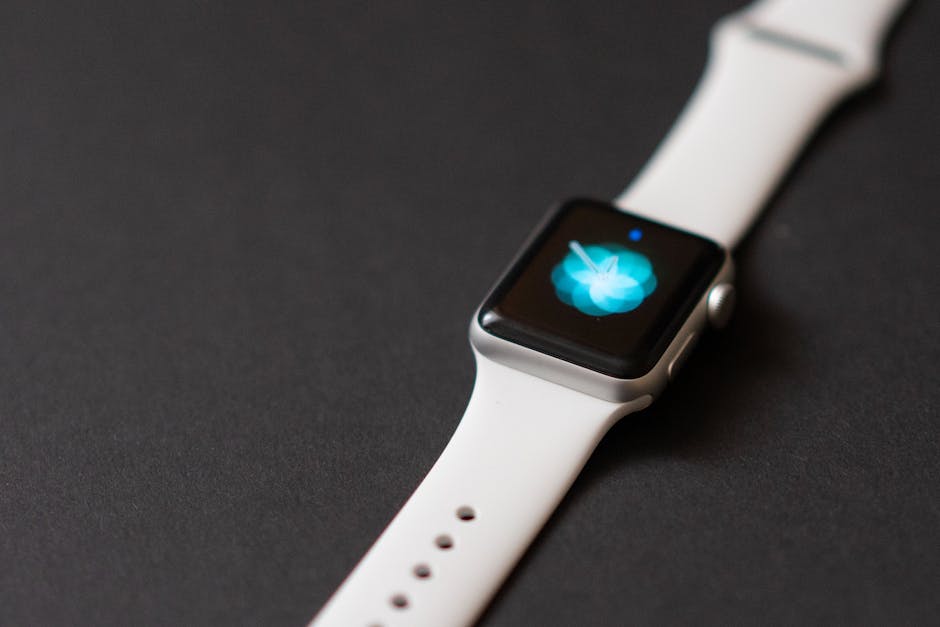
Photo by Atlantic Ambience on Pexels
Discretion as Security: Why Invisibility Prevents Tampering
Physical security measures become liabilities if they increase visibility. The classic ankle monitor design is a bulky, black, proprietary shape that screams institutional control from beneath a pant cuff. This visibility transforms the device from a monitoring tool into a social marker that limits employment, housing, and relationships. When the electronic monitoring device prevents the wearer from passing as a civilian, it destroys the incentive for compliance. Industrial designers must therefore pursue minimalism not as an aesthetic choice but as a security protocol. Rounded forms that slide under sock lines, neutral colors that match skin tones or shoe leather, and sound-dampened vibration alerts instead of audible alarms all reduce the social cost of wearing the device. Textured surfaces should prevent the telltale glossy sheen of plastic that catches light. The form factor must prioritize discretion over brand identity, because anonymity is the feature that keeps the hardware on the ankle.
Power Resilience Must Account for Unstable Living Conditions
A discreet device must also survive the chaotic charging environments of transitional housing or homelessness. Consumer wearable design assumes nightly charging on a bedside dock; correctional wearable design assumes interrupted power, shared outlets in shelters, and users who may intentionally let batteries die to force a location check-in that confirms they are stationary. Battery architecture must support 48-72 hour lifecycles with partial charging capability, while firmware must distinguish between dead batteries and tampering through voltage curve analysis. The charging interface itself must resist liquid damage and physical abuse, favoring magnetic pogo pins over USB ports that can be clogged with debris. This power resilience determines whether location data remains continuous or contains gaps that could violate parole terms.

Photo by MART PRODUCTION on Pexels