
Introduction:
In 2018, the estimated annual impact of counterfeit drugs globally reached a staggering $200 billion, highlighting a critical need for robust tamper-evident packaging. Beyond pharmaceuticals, industries from food and beverage to high-value electronics grapple with product tampering, impacting consumer safety, brand reputation, and bottom lines. Developing effective tamper-evident designs isn't merely a technical challenge; it's a strategic imperative for maintaining trust and ensuring product integrity in an increasingly complex global marketplace.
This isn't just about slapping on a shrink wrap seal. Effective tamper evidence requires a multi-faceted approach, integrating material science, design thinking, and a deep understanding of both the product and the potential threats it faces. It demands anticipating the methods employed by counterfeiters and designing solutions that are both difficult to defeat and easy for consumers to verify. This article will equip you with the knowledge and frameworks to navigate this complex landscape, drawing on decades of experience in developing tamper-evident solutions across diverse industries.
We'll explore the evolving landscape of tampering threats, from sophisticated counterfeiting operations to opportunistic pilfering. We'll delve into the core principles of tamper-evident design, examining the strengths and weaknesses of various techniques, from holographic labels to destructible seals. You'll gain insights into the decision-making processes that guide the selection and implementation of these techniques, considering factors like cost, product compatibility, and consumer perception. Finally, you'll receive a practical blueprint for developing and deploying your own tamper-evident solutions, empowering you to protect your products and safeguard your brand.
Industry Landscape & Emerging Trends:
Counterfeit goods cost the global economy over $500 billion annually. This staggering figure underscores the critical need for robust tamper-evident packaging, a market expected to reach $6.14 billion by 2028 according to a report by Market Research Future. Beyond mere economics, tamper-evident design protects brand reputation and, most importantly, consumer safety, particularly in sectors like pharmaceuticals and food. This landscape is constantly evolving, driven by innovative technologies and shifting consumer expectations.
One key trend is the increasing integration of smart technologies into tamper-evident solutions. Near-field communication (NFC) tags and blockchain technology are being employed to create digital fingerprints for products, allowing consumers and retailers to verify authenticity with a smartphone scan. This shift towards digital verification offers a higher level of security compared to traditional methods and opens doors for enhanced consumer engagement through product information and loyalty programs. Companies like Avery Dennison are at the forefront of developing these intelligent packaging solutions.
Sustainability concerns are also reshaping the landscape. Consumers are increasingly aware of the environmental impact of packaging. This has led to a push for tamper-evident solutions that minimize material usage, utilize recyclable materials, and reduce overall waste. Mono-material packaging, designed for easier recycling, is gaining traction, though balancing its tamper-evident functionality with recyclability presents an ongoing challenge. Organizations like the Sustainable Packaging Coalition are actively working to promote eco-friendly packaging practices.
Finally, the rise of e-commerce has significantly impacted tamper-evident packaging design. Products shipped directly to consumers face increased risk of tampering during transit. This has driven demand for tamper-evident features specifically designed for e-commerce, such as security seals and tapes that are difficult to remove without leaving visible evidence. Furthermore, the need for efficient and automated packaging processes in large fulfillment centers has influenced the development of tamper-evident solutions that are compatible with high-speed packaging lines. Companies like Amazon are investing heavily in packaging innovations to enhance security and improve the customer experience.
Core Frameworks & Fundamental Principles:
Tamper-evidence relies on creating a barrier that, once breached, provides clear visual or other sensory cues. This barrier can take many forms, from simple shrink wrap on a bottle of medicine to complex holographic seals on electronics. The goal is to give consumers immediate confidence in the product’s untouched state. A broken seal doesn't necessarily mean the product is unsafe, but it empowers consumers to make informed choices.
Security features should be appropriate for the product and its distribution environment. A simple pressure-sensitive adhesive may suffice for a low-value item sold in a controlled retail setting. High-value goods or those susceptible to counterfeiting, like pharmaceuticals or luxury goods, demand more sophisticated solutions. Consider the entire supply chain, from factory to consumer, to identify potential vulnerabilities and select appropriate tamper-evident features.
Material science plays a crucial role. Shrink bands, for example, utilize the properties of polymers to create a tight, conforming seal. Destructive labels, like those used on some software packaging, leave behind a residue or tear upon removal, providing clear evidence of tampering. Understanding the properties of different materials, including adhesives, films, and inks, is essential for effective tamper-evident design. 3M is a leading innovator in this space, offering a wide range of tamper-evident materials and technologies.
Design for manufacturability is paramount. Tamper-evident features must be easily integrated into the existing production process without compromising speed or efficiency. This requires close collaboration between packaging engineers and production teams. Automated application of tamper-evident seals is often preferred for high-volume products, ensuring consistency and reducing labor costs. Companies like Avery Dennison specialize in providing automated labeling solutions for various industries.
Testing and validation are essential steps. Rigorous testing simulates real-world conditions to ensure the chosen tamper-evident feature performs as intended. This might involve drop tests, temperature variations, and attempts to subtly breach the seal. The effectiveness of the chosen solution should be evaluated against potential tampering methods. This iterative process helps refine the design and ensures robust protection.
Regulations and standards often dictate specific tamper-evident requirements, particularly in industries like pharmaceuticals and food. The U.S. Food and Drug Administration , for instance, has stringent regulations regarding tamper-evident packaging for over-the-counter drugs. Understanding and adhering to these regulations is crucial for compliance and consumer safety. Staying informed about evolving standards is essential for maintaining best practices.
Consumer perception is a critical, often overlooked, aspect. The tamper-evident feature should not only be effective but also easily understood by the consumer. Clear visual cues, like a broken seal or torn label, provide immediate reassurance. Excessive complexity can confuse consumers and undermine confidence. User testing and feedback can be invaluable in optimizing the design for both functionality and user experience.
Advanced Insights & Expert Techniques:
Beyond the foundational principles, designing truly robust tamper-evident packaging requires navigating subtle trade-offs and understanding the psychology of both consumers and potential tamperers. One crucial aspect is balancing security with user experience. Overly complex tamper-evident features can frustrate legitimate consumers, leading to damage during opening or even rejection of the product. Conversely, weak features provide a false sense of security and are easily bypassed. Consider the evolution of pharmaceutical packaging. Early blister packs were relatively easy to peel open without obvious signs of tampering. Modern designs incorporate features like peel-push mechanisms and specialized films that delaminate or tear distinctively when breached, balancing security with accessibility.
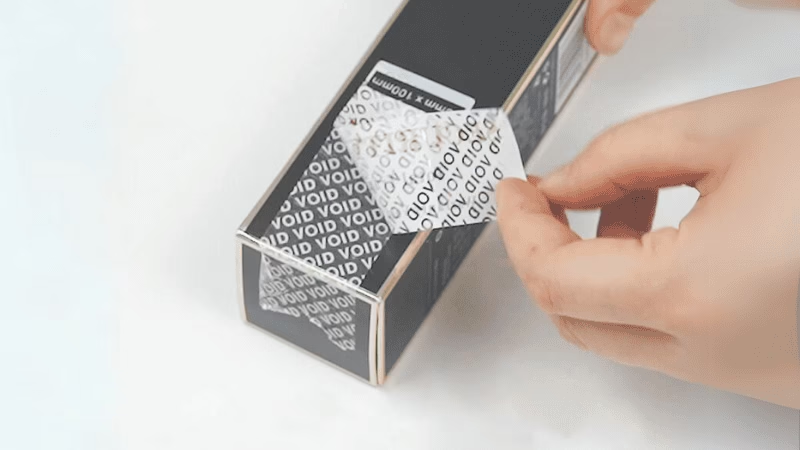
A critical factor often overlooked is the "threat model." Who are you protecting against? A casual shoplifter requires a different level of deterrence than a sophisticated counterfeiter. For low-value items, a simple tamper-evident seal might suffice. High-value goods or pharmaceuticals demand multi-layered solutions, incorporating overt features like holographic labels (often used by companies like Avery Dennison,) alongside covert technologies like micro-printing or chemically reactive inks. Understanding the specific risks allows for targeted, cost-effective solutions.
Material selection also plays a vital role. Shrink bands and neck bands, common in the food and beverage industry, offer visual evidence of tampering but can be susceptible to heat manipulation. Induction seals provide a hermetic barrier and are difficult to replicate without specialized equipment, making them suitable for sensitive products. However, they add cost and complexity to the manufacturing process. Tamper-evident tapes and labels, while readily available, can be compromised if the adhesive is weak or the substrate is easily torn. Choosing the right material involves a careful assessment of the product's vulnerability, storage conditions, and budget constraints.
Designers must also consider the entire supply chain. Tamper-evident features are useless if they are not properly applied or inspected. This requires clear protocols and training for everyone handling the product, from factory workers to retailers. Furthermore, the chosen features should be easily verifiable by consumers at the point of purchase. A complex, hidden security feature might deter sophisticated counterfeiters but offers little reassurance to the average consumer. Clear communication about how to identify an intact seal is essential.
Finally, staying ahead of counterfeiters and tamperers requires continuous innovation. Criminals are constantly developing new methods to bypass security measures. Companies must invest in research and development to create next-generation tamper-evident solutions. This includes exploring new materials, technologies, and design strategies. For instance, the use of blockchain technology (explored by companies like IBM, https://www.ibm.com/blockchain) to track products throughout the supply chain and verify authenticity is an emerging trend with significant potential. By combining robust design principles with ongoing vigilance, companies can effectively protect their products, their brand reputation, and ultimately, their consumers.
Implementation Blueprint:
Translating tamper-evident design principles into a tangible product requires a structured approach. Begin by conducting a thorough risk assessment. Identify potential points of vulnerability throughout the product lifecycle, from manufacturing to consumer use. Consider the likely tampering methods and the level of sophistication a potential tamperer might possess. This analysis informs the selection of appropriate tamper-evident features.
Next, prototype and test rigorously. Don't rely solely on theoretical assumptions. Build physical prototypes incorporating the chosen tamper-evident features. Subject these prototypes to realistic tampering attempts, mimicking potential real-world scenarios. This iterative process allows for refinement and optimization of the design. Remember, what looks good on paper might not perform as expected in practice. Tools like slow-motion cameras can be invaluable in understanding how materials react under stress and identifying weaknesses in the design.
Material selection is crucial. Consider the specific properties of different materials and their impact on tamper-evidence. For example, shrink bands (https://www.seal-it.com/collections/shrink-bands) offer excellent tamper-evidence for containers, while pressure-sensitive tapes can be effective for cartons. The chosen material should complement the overall product design and not compromise its functionality or aesthetics. Factor in environmental considerations and potential supply chain disruptions when making material choices.
Finally, documentation is key. Maintain detailed records of the design process, including the rationale behind chosen features, test results, and material specifications. This documentation is essential for quality control, regulatory compliance, and potential future improvements. It also serves as a valuable resource for training personnel involved in production and quality assurance. A well-documented process ensures consistency and minimizes the risk of vulnerabilities arising from undocumented changes.
Conclusion & Strategic Implications:
The pursuit of tamper-evident design is not a destination, but a continuous journey. Effectively safeguarding products demands a holistic approach, blending material science, design ingenuity, and a keen understanding of evolving threat landscapes. From pharmaceuticals secured by shrink bands and induction seals to the ubiquitous tamper-evident ring on a soda bottle, the principles discussed here have far-reaching applications. Remember, the weakest link determines the overall security. A robust design considers not just the primary closure but the entire packaging system, including labels, cartons, and even the product itself.
Looking ahead, the future of tamper evidence lies in intelligent packaging. Technologies like NFC tags (Near-Field Communication, as used by companies like NXP Semiconductors, blockchain-verified seals, and AI-powered anomaly detection promise unprecedented levels of security and traceability. These advancements will not only deter tampering but also empower consumers with the ability to verify product authenticity and integrity. The challenge now is to integrate these innovations seamlessly, balancing cost-effectiveness with robust security to build unwavering consumer trust in a world increasingly reliant on complex supply chains.