The Metrology Core Must Outlast Three Generations of Radio
Traditional consumer IoT design treats the device as a monolith that dies together. Smart electricity meter design requires the opposite approach, an immutable measurement engine paired with a sacrificial communications module. The metrology section, containing the current transformers and analog-to-digital converters that define revenue-grade accuracy, must maintain calibration stability for two decades because utilities cannot afford mass recalibration truck rolls. The radio module, however, will inevitably face obsolescence as cellular carriers sunset 4G LTE in favor of 5G and beyond.
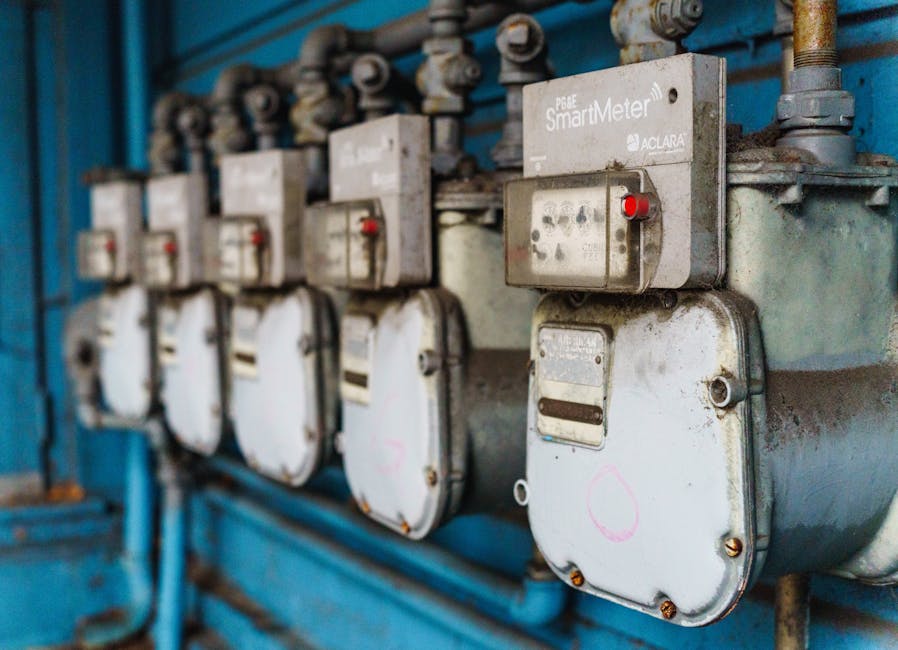
This separation dictates the physical architecture. The base unit houses the shunt or CT sensors, the real-time clock, and the tamper-detection switches. The communications module occupies a distinct cavity with its own environmental sealing, connected through a standardized interface that allows a technician to swap radios without breaking the utility’s seal on the metrology section. Itron’s latest generation meters and Landis+Gyr’s AX4 platform both employ this bifurcated approach, treating the radio as a consumable part rather than a permanent fixture, a strategy that lets utilities avoid the economics of replacing millions of working meters when carrier networks sunset.
The Connector Becomes a 20-Year Reliability Problem
That modularity creates the hardest mechanical problem in advanced metering infrastructure design. The connector between base and module must survive twenty years of thermal cycling, humidity, and UV exposure while maintaining signal integrity for high-speed data buses. A compromised pin here does not cause a graceful failure. It corrupts billing data or severs grid communication entirely.
The interface must also preserve tamper evidence. Utilities require physical seals that reveal unauthorized access, meaning the connector cannot be a simple plug that a consumer might jostle loose or a thief might bridge to steal power. The industrial design must accommodate crimped lead seals or ultrasonic welding on the base unit while allowing authorized hot-swaps of the module. This requires careful staging of the sealing surfaces. The metrology enclosure remains permanently sealed, while the radio bay uses gasketing that maintains IP54 or IP65 ratings across repeated insertions by field technicians wearing gloves in subzero conditions.
Power Supplies Must Support Radios That Do Not Exist Yet
When the meter ships, it might contain a 4G LTE-M radio drawing peak currents of 200mA during tower negotiation. By year ten, that module gets replaced with a 5G RedCap or future LPWAN standard with entirely different voltage rails and surge characteristics. This uncertainty makes the power supply design uniquely constrained.

The metering SoC and analog front-end require pristine, isolated power to maintain Class 0.5 or Class 1 accuracy. The radio, conversely, generates conducted noise and demands brief, high-current bursts that sag the supply line. The design must architecturally isolate these domains through separate ground planes and filtering, while sizing the main power supply for headroom that seems wasteful at launch. Undersizing the reservoir capacitors or regulator thermal mass creates a failure mode where future radio upgrades cause brownouts that reset the metrology processor, corrupting the revenue register. This is where component choices made for immediate cost become 15-year liability issues.
The Hot-Swap Moment Decides the Mechanical Design
All of this engineering collides with reality during installation and service. Picture a technician on a ladder in driving rain, attempting to replace a failed communications module on an AMI meter mounted at eye level on a brick wall. The utility cannot afford to shut off power to the customer during this operation, meaning the meter must support hot-swapping the radio while energized.
This moment dictates the physical ergonomics. The release mechanism for the radio module must be operable with gloved hands, yet robust enough to prevent vibration from loosening it over years of traffic rumble. The module must slide out without exposing live mains voltage to the technician. This requires interlocks that disconnect the radio bay before the module clears the housing. Kamstrup’s flowIQ series for thermal and water metering demonstrates this user-flow consideration, where the optical eye and battery compartment remain accessible without disturbing the metrology seals, a design pattern that other manufacturers struggle to replicate at scale.