Hospital Specs Fail in Uncontrolled Home Environments
Regulatory frameworks like IEC 60601-1-11 explicitly recognize that home use introduces environmental variables clinical equipment never faces. Electromagnetic interference from garage door openers, humidity from showers, temperature swings near drafty windows, and the simple presence of pets or grandchildren create failure modes that clean-room testing misses. Yet many assisted living device teams treat these as edge cases rather than core requirements.
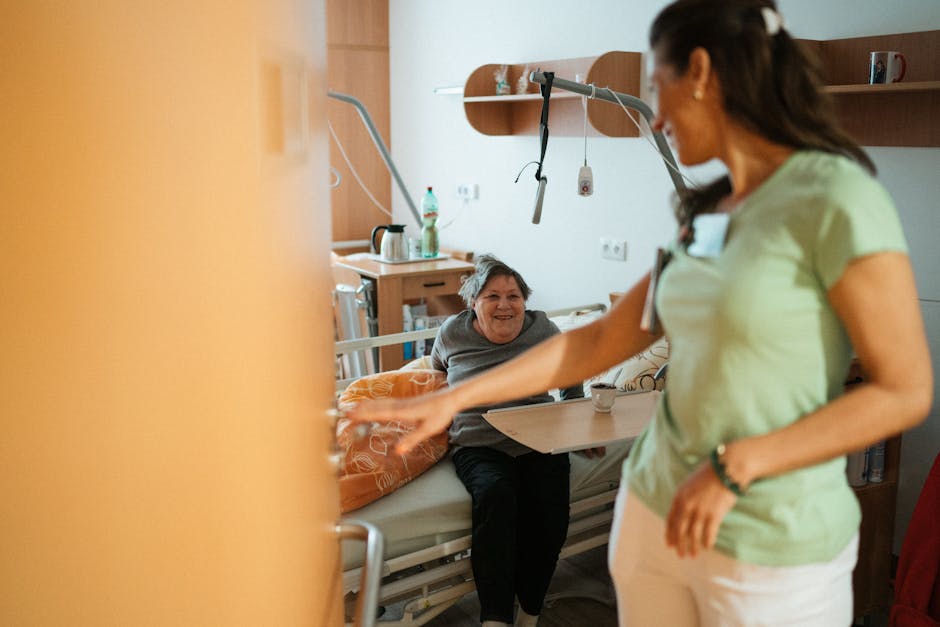
This environmental hostility means ingress protection ratings matter less than behavioral resilience. A device dropped on tile from a bedside table must survive not because the drop test is expensive to fail, but because the caregiver will not mail it back for recalibration. They will simply stop using it. Waterproofing seals must tolerate dish soap residue and coffee spills because the kitchen counter is the only flat surface available. The engineering decision to seal a housing with automotive-grade gaskets is not over-engineering; it is recognition that the home is an uncontrolled variable that never stops changing.
The Caregiver’s Cognitive Bandwidth is the Scarce Resource
Home care device UX fails most often at the interface layer, but the root cause is rarely graphic design. The limiting factor is working memory. A caregiver managing medications, appointments, and their own employment operates under chronic cognitive load. When they interact with elderly monitoring device hardware, they are frequently interrupted, often anxious, and sometimes physically holding the patient steady with one hand.
This constraint inverts standard interaction models. Setup wizards that demand ten consecutive minutes of attention will be abandoned at step three. Screens that require reading glasses the caregiver cannot find in the dark bedroom will not be read. Buttons that demand fine motor control fail when hands are shaking from caffeine or stress. Birdie’s caregiver-facing platform demonstrates that success comes from reducing cognitive overhead through predictable routines rather than feature density. The same principle applies to physical hardware: every interaction must be recoverable after interruption, and every state must communicate its status without requiring the user to remember the previous step.
Error States Must Default to Grace, Not Panic
Fatigue inverts error hierarchies. In a hospital, a false alarm is an operational nuisance. In a home at 3:00 AM, a false alarm is a trust-destroying event that teaches caregivers to silence or unplug devices. Caregiver-friendly medical hardware must distinguish between critical failures requiring immediate action and degraded states that can wait until morning.
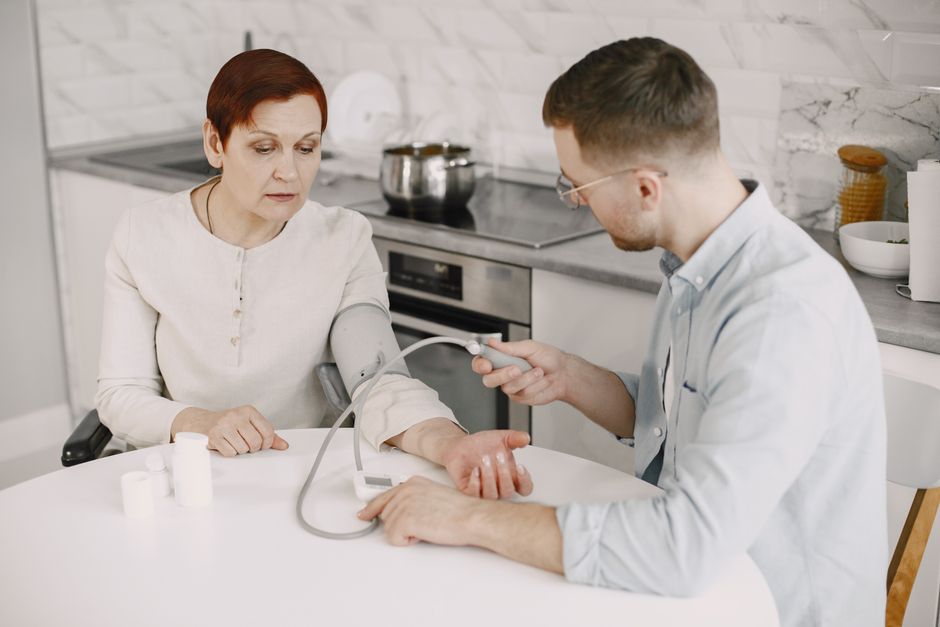
Photo by Gustavo Fring on Pexels
This requires mechanical and firmware architectures that fail gracefully. A disconnected sensor should not trigger a piercing alarm that wakes a dementia patient and triggers a fall risk scenario. It should log the event, notify a remote monitoring service, and enter a low-power safe mode that preserves battery while the caregiver sleeps. Philips Lifeline’s fall detection pendants illustrate this balance: by distinguishing between a hard impact requiring emergency response and a movement pattern suggesting a slow slide from a chair, they embed the cost of false negatives into algorithm development rather than imposing it on caregiver trust.