Home Environments Demand Over-Engineered Resilience
A clinic offers controlled lighting, stable surfaces, and technicians who know how to ground a reading. A kitchen table at 7 PM offers none of these. Telehealth device hardware design must treat electromagnetic interference, temperature swings, and vibration as baseline conditions, not edge cases. Ingress protection moves from “nice to have” to clinical requirement when a parent uses a digital otoscope on a feverish child who will not stop moving. Materials must survive drops onto tile and sanitization cycles harsher than hospital grade because users will use bleach wipes incorrectly.
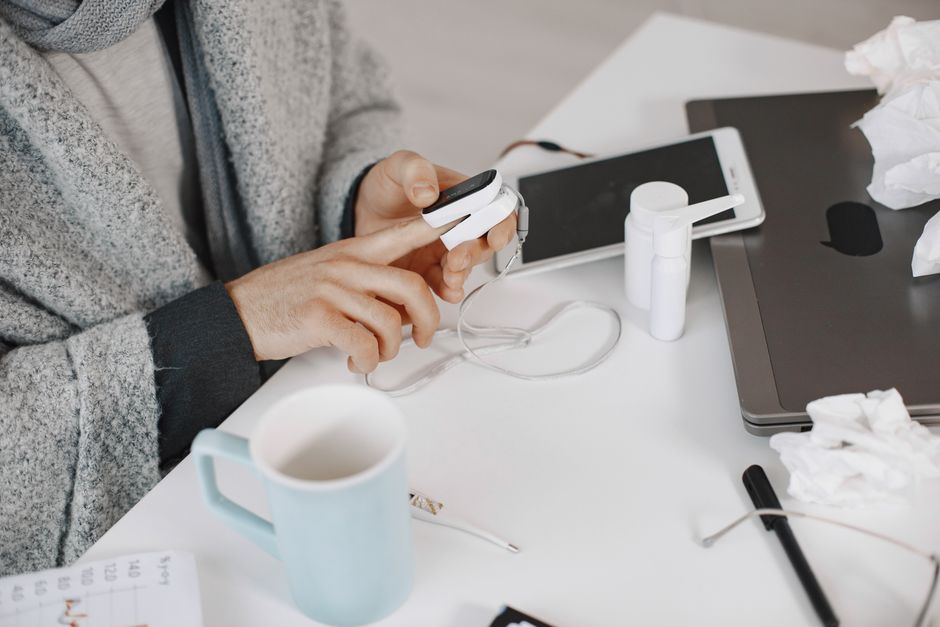
Photo by Gustavo Fring on Pexels
TytoCare solved this by over-molding their remote consultation device in medical-grade polycarbonate with explicit grip geometry that prevents the thumb from covering the camera lens. They identified this failure mode during early home trials where users intuitively covered the lens while trying to stabilize the instrument. Your material selection criteria are determined by what happens when the device slips from a nightstand, not what happens in a sterilization tray.
Form Must Replace Clinical Instruction
That grip geometry does more than prevent drops; it enforces the correct angle of insertion. In virtual care device engineering, the industrial design serves as the interface for clinical accuracy. When a cardiologist listens to a heart via Eko Health’s digital stethoscope, the confidence of the murmur detection depends entirely on whether the patient applied the correct pressure to the diaphragm. The device cannot display an error message saying “press harder” during a live consultation; the form must make the correct pressure inevitable. This is teleconsultation peripheral design as clinical protocol automation.
Consider the 11 PM scenario: a worried parent trying to capture a throat image. The child thrashes. The parent has one hand free. The device must self-stabilize against the jawline and center the camera automatically because no one is holding the phone steady. Because the user cannot be trained, the hardware must be the training.
Edge Processing Preserves Diagnostic Signal
Once the capture is stable, the data must survive the journey. Standard video codecs discard information they deem imperceptible to the human eye. For a video-enabled medical device, that “imperceptible” data might be the subtle erythema pattern indicating strep throat or the spectral signature of a cardiac murmur. Virtual care device engineering demands that analysis happen at the edge, before compression. Raw or lightly compressed diagnostic streams require local processing power and buffer storage that clinic-based peripherals never needed. This matters because household WiFi dropouts or Bluetooth latency can destroy the signal you paid for the sensor to capture in the first place.
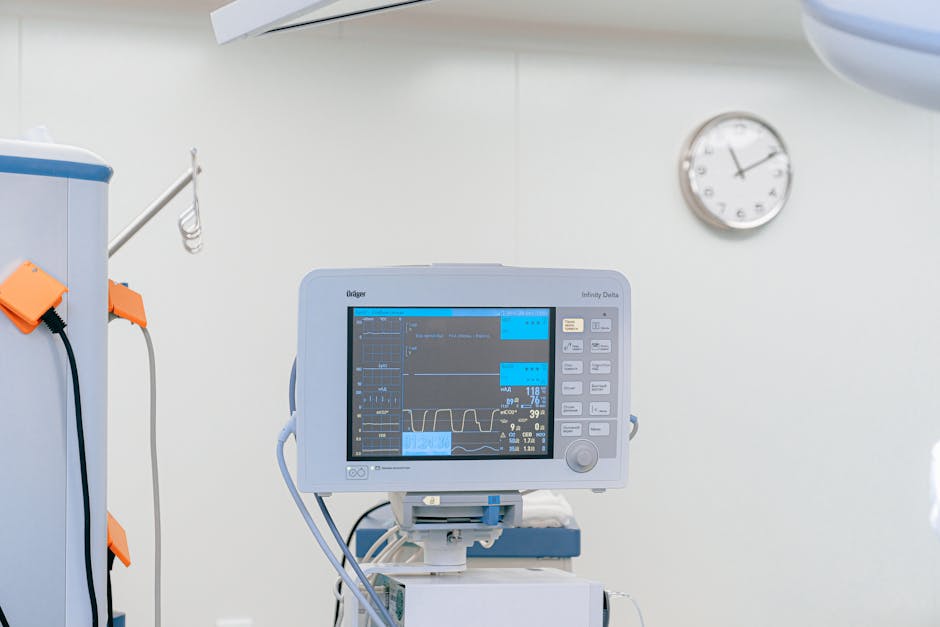
Photo by Anna Shvets on Pexels
Apple‘s move to enable clinical-grade hearing aid functionality in AirPods Pro relies on onboard processing before transmitting to the paired device; the alternative, streaming raw audio across Bluetooth, introduces latency and packet loss that invalidates the threshold detection. Your connectivity architecture is determined by what you cannot afford to lose to a household WiFi blip.
Regulatory Strategy Must Account for Foreseeable Misuse
If the hardware encodes protocol and the edge processing preserves signal, the final barrier is proving it works when everything goes wrong. FDA and MDR submissions for connected clinic device equivalents traditionally assume controlled settings and trained operators. For home-based hardware, the risk management file must treat “user drops device mid-capture” and “patient uses device while charging” as foreseeable misuse, not aberrations. Usability engineering (IEC 62366) expands from task analysis to environmental resilience testing. The validation protocol must simulate the acoustic noise of a barking dog or the motion artifact of a restless toddler. Regulatory clearance becomes a test of whether your design can maintain clinical output despite the entropy of daily life.