The Visual Language of Institutional Control
Medical equipment inherits its aesthetics from environments designed to manage crisis. Stainless steel, sharp geometries, and opaque interfaces signal that trained professionals are in charge. For acute care, this reassures. For home use, it triggers threat response. Patient anxiety begins with these visual cues before the user ever presses a button.

Photo by Đậu Photograph on Pexels
Dexcom understood this transition when designing their G7 continuous glucose monitor. Earlier CGMs looked like medical pagers, rectangular, clinical, conspicuous. The G7 reduced to a disc that resembles a consumer sticker. The sensor remained clinically identical, but the visible hardware disappeared into a form that suggests lifestyle accessory rather than disease management. When patients feel surveilled by their devices, compliance drops. The design must dismantle the power imbalance embedded in traditional medical aesthetics.
Borrowing From Domestic Objects
Approachable medical device design requires looking outside the hospital entirely. One Drop redesigned the glucose meter by referencing high-end consumer electronics rather than clinical tools. The chrome meter resembles an Apple TV remote. The lancing device uses soft-touch finishes found in premium headphones. This strategy works because it relocates the object from the medical sphere to the personal sphere.
Warm aesthetics demand specific material choices that complicate engineering. Soft-touch TPU coatings provide grip and warmth but complicate sterilization validation. Fabric wraps, wood accents, and translucent polycarbonates suggest domesticity but must survive ISO 10993 biocompatibility testing. Patient-centered engineering means solving for clinical performance within these consumer-product constraints. The sealing must be medical-grade. The surface must feel like a kitchen appliance.
TytoCare demonstrates this balance in their home examination kit. The otoscope and stethoscope integrate into a charging case that resembles a sunglasses box. The medical functionality, digital auscultation, high-resolution imaging, remains intact, but the interaction mimics unboxing a new phone rather than preparing for a procedure.
When Regulation Shapes the Curve
Non-intimidating medical device design faces a hidden constraint: safety standards often mandate minimum sizes, sharp edge radii, and isolation distances that resist organic form factors. IEC 60601 requires specific creepage distances between high-voltage and patient-connected circuits. Traditional medical housing uses boxy geometries to satisfy these requirements efficiently.
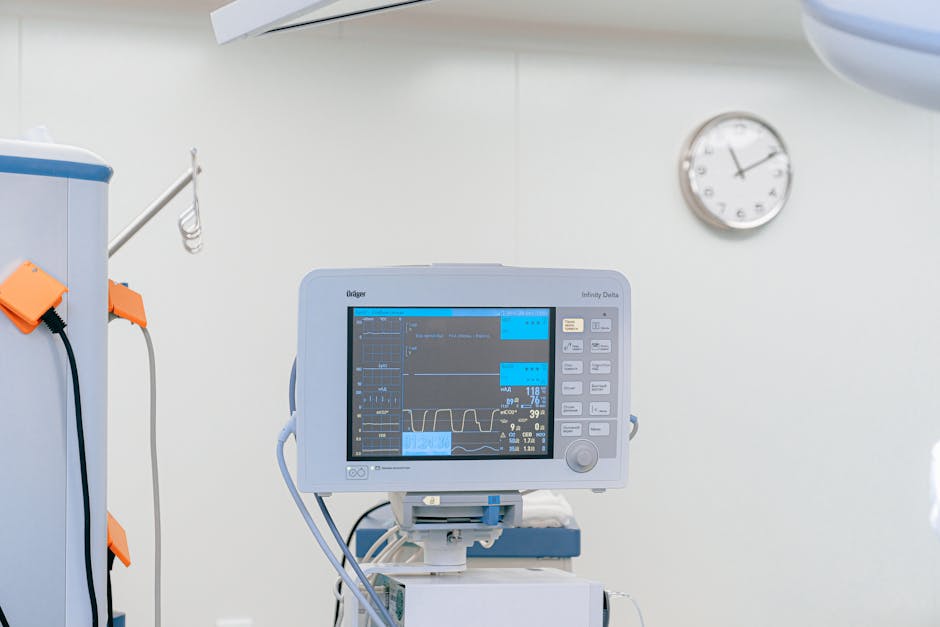
Photo by Anna Shvets on Pexels
Patient-centered design treats these constraints as architectural problems rather than excuses. The Oura Ring embeds medical-grade sensors into jewelry, but achieving this required rethinking circuit layout to fit within a titanium band while meeting biocompatibility standards. The ring form signals personal adornment, yet the internal engineering maintains SpO2 accuracy and temperature monitoring within strict dimensional limits.
This approach costs more in development. Rounded internal chassis require custom PCB shapes. Curved displays demand specialized bonding processes. But the business case strengthens when you recognize that approachable devices see higher adherence. Patients who do not hide their devices in drawers use them consistently, generating better outcomes and sustaining revenue.