How 15-Amp Circuits Reshape Thermal Architecture
Standard North American kitchen outlets deliver 15 amps at 120 volts, capping continuous draw around 1440 watts. Commercial espresso machines pull double that through dedicated circuits, using constant energy input to maintain boiler temperature within fractions of a degree. Consumer espresso machine hardware cannot outdraw the wall, so it cycles heating elements on and off. Each cycle creates temperature fluctuation at the puck. Without sufficient thermal mass between the heating element and the coffee bed, these fluctuations translate directly into sour or bitter extraction notes that no amount of distribution technique can correct.
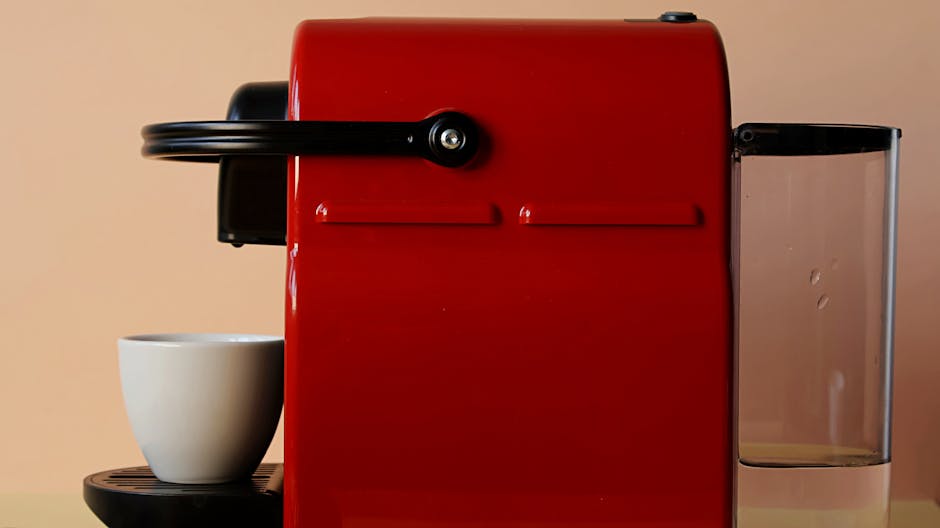
This transforms material selection from a cost decision into a signal integrity decision. Brass and copper group heads add bill-of-materials weight and shipping cost, but they function as thermal capacitors, smoothing the sine wave of household power into the flat line that specialty coffee device engineering demands. Products like the La Marzocco Linea Mini justify their footprint by routing boiler water through saturated group heads that maintain temperature stability through mass rather than energy input. The engineering choice is not between a fast machine and a stable machine, but between a device that compensates for power constraints through physics or one that asks users to accept inconsistent results.
Making Thermal Complexity Invisible in Daily Use
That thermal compensation creates a user experience problem. If the machine requires thirty minutes to reach thermal equilibrium, or demands that users flush the group head to manage temperature surfing, the ritual becomes a chore. Coffee maker UX design for the home market succeeds when it makes thermodynamic complexity invisible. Breville’s Barista Express series uses thermoblocks and PID algorithms to reach operating temperature in seconds, trading absolute thermal stability for speed and convenience. Decent Espresso takes the opposite approach, exposing every temperature and pressure variable through a tablet interface, betting that enthusiasts want transparency over simplicity.
Both approaches work, but each defines a different customer contract. The “magic” interface assumes users want the result without the physics lesson; the transparent interface assumes users want to iterate on variables. Most failed products land in the uncanny valley between these poles, offering enough controls to confuse beginners but insufficient feedback to satisfy experts. The decision to expose or hide thermal management determines whether your support team fields questions about extraction yield or warranty claims about heating element failure.
Wear Components and the Repair-or-Replace Calculation
The thermal architecture and interface logic mean nothing if the mechanical system fails under thermal stress. Coffee appliance design involves high-cycle mechanical systems under constant thermal load. Solenoid valves cycle hundreds of times monthly. Gaskets expand and contract through heating cycles. These wear components define the product lifetime more than the electronics or chassis. Choosing a thermoblock over a boiler reduces upfront material costs but increases the thermal cycling rate on seals, potentially shortening the service interval. This is a customer retention calculation disguised as an engineering decision. Products that specify brass boilers and standard-sized gaskets signal repairability; those with bonded aluminum thermoblocks and proprietary seals optimize for manufacturing efficiency at the expense of longevity.
The fixed cost of brass machining scales poorly compared to aluminum die-casting, but the lifetime value of a user who replaces gaskets instead of discarding the unit justifies the material choice for brands targeting the enthusiast segment. Your manufacturing strategy must align with whether you are building a gateway appliance or a legacy object.