Thermal Management Is the Primary Signal Path
High-gain audio hardware operates continuously near its thermal limits. When a device processes extended palm-muting and rapid double-kick transients, the voice coils and amplifier stages generate heat that alters impedance curves and introduces compression artifacts before the user touches a knob. Heat sinks must be structural elements that determine frequency response stability, not afterthoughts bolted to plastic shells. Attempts to shrink valve amp architectures into sealed enclosures without accounting for the radiant heat of preamp tubes typically result in thermal shutdowns during extended high-volume playback, as the glass envelope radiates heat directly into DSP boards and battery cells. Every high-gain audio device design faces an early fork: prioritize thermal mass and accept weight, or prioritize portability and accept signal degradation under load. Teams that choose wrong discover the failure mode during user testing when the bottom end turns to mud after twenty minutes of djent riffs, long after the tooling is cut.

Controls Must Function Through Sweat and Gloves
That thermal reality creates a second constraint: the user operates the device in physiological states that disable standard interfaces. Metal fan electronics live in environments of high humidity, vibration, and reduced visibility—basements, rehearsal spaces, and stages where touchscreens fail and capacitive sensors ghost from sweat interference. Knob diameter, detent torque, and LED luminosity become functional specifications, not styling exercises. BOSS multi-effects units use rubberized collars and physical detents precisely because players adjust settings mid-song with drumsticks in hand or blood on their fingers. A sealed membrane button that works for podcast listening becomes a liability when covered in sweat and dust; the switch matrix must be rated for IP65 or higher to survive spilled beer and road case condensation. Product design requires validation testing with literal gloves and strobe lighting, because anything less assumes a use case that does not exist.
Material Choices Must Signal Repairability
The previous constraints create a third requirement: the enclosure must signal durability before the user powers the device on. Metal culture has a deep skepticism of planned obsolescence; equipment is handed down, modified, and repaired across decades. Using ABS plastic that yellows within two years or rubberized coatings that turn sticky signals disposability to a community that values amplifiers from decades past still touring today. Material selection carries commercial weight beyond aesthetics. Brushed aluminum dents rather than cracks. Steel chassis develop patina rather than failure points. Molded corners must survive drops from six feet onto concrete, because that is the actual logistics of load-in. The industrial design language must communicate that the object can be serviced, not replaced, because the user will attempt to repair it anyway. If the architecture prevents screwdriver access to the PCB or uses proprietary screws to discourage tampering, the product exits the signal chain ecosystem regardless of its audio quality.
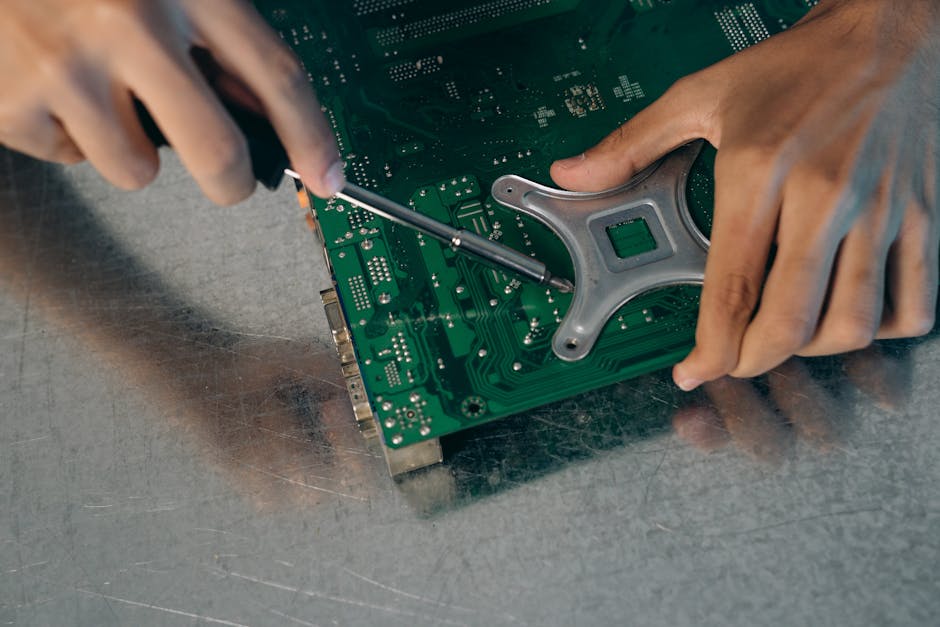
Photo by Mikhail Nilov on Pexels