RF Environment Breaks Standard Radio Design
High-density RF environments break assumptions baked into standard product design workflows. In a residential setting, a radio chipset’s sensitivity spec determines range. In a stadium, that same sensitivity captures interference from thousands of competing devices, effectively deafening your radio to the intended signal. The geometry of bowl seating creates reflective surfaces that scatter transmissions, generating echoes that arrive milliseconds apart and corrupt packet timing.
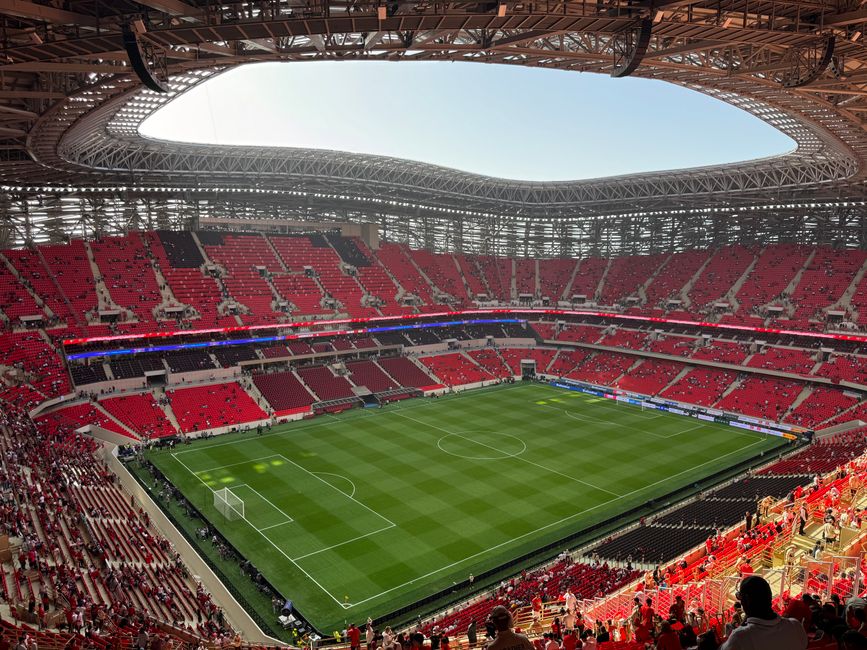
Photo by Earth Photart on Pexels
Metal infrastructure does not simply block signals. It reradiates them. Aluminum seat frames, steel support beams, and concrete reinforcing mesh create a complex multipath environment where a direct line-of-sight transmission might arrive at the receiver after bouncing off three surfaces, out of phase with itself. Consumer electronics optimize for clear air. Stadium connectivity device design requires optimizing for coherent signal recovery in anechoic chaos.
Antenna Placement Determines Whether Transactions Complete
When the noise floor rises with crowd density, antenna quality becomes the differentiator between a transaction that completes and one that times out. Most product teams select a radio module based on power consumption and protocol support, then treat the antenna as a passive component to fit into remaining space. In sports stadium device engineering, this sequence inverts.
Antenna placement cannot be an afterthought because the human body itself becomes a dielectric obstacle. Consider the handheld point-of-sale terminal used by roaming vendors. When a fan attempts to purchase merchandise during a timeout, the transaction must complete before play resumes. The vendor’s body blocks one antenna path, the aluminum drink tray reflects another, and thousands of nearby phones raise the noise floor significantly above normal. The radio chipset reports full signal strength while packets fail to acknowledge. The sale aborts. The antenna pattern null happened to align with the access point direction at that specific seat location.
Overhead-mounted venue networking hardware nodes must account for the RF shadow cast by dense crowds. This requires diversity antenna configurations with spatial separation, and active beamforming that steers around obstructions rather than blasting power indiscriminately. Circular polarization mitigates the random orientation of phones in pockets and bags, but implementing it requires physical volume that competes with battery and thermal management. Every millimeter of antenna clearance directly impacts packet success rates when the air is crowded.
Material Selection Trades RF Transparency Against Heat Dissipation
Industrial designers typically select housing materials based on durability, aesthetics, and unit economics. For arena connectivity hardware, conductivity and dielectric constant become primary selection criteria. Metal enclosures provide the impact resistance required for public venues but require dielectric windows or external antenna protrusions that create snag hazards and vandalism vectors. RF-transparent plastics solve the transmission problem but often lack the heat dissipation required for continuous broadcast loads.

This tension intensifies because high-density connectivity generates heat. A stadium Wi-Fi device transmitting at maximum duty cycle to serve dense client loads runs hotter than its office equivalent. Thermal throttling reduces output power, which reduces connection reliability, which causes retransmissions, which generates more heat. The mechanical design must break this loop through conductive pathways that do not compromise the RF window, often requiring hybrid constructions with metal frames and carefully mapped plastic RF lenses. The engineering team must simulate electromagnetic and thermal performance simultaneously, as adjustments to one domain degrade the other.