Physical Navigation Keys Accelerate Digital Literacy
That retention begins with the user’s first hour. First smartphone design in mature markets assumes years of accumulated interface conventions. In emerging markets, the hardware must teach. JioPhone’s KaiOS devices retain physical navigation keys because directional arrows signal possibility better than abstract gestures. Itel’s dedicated smart key provides instant flashlight or camera access without navigating menus. Samsung learned this lesson painfully when early Galaxy A-series devices removed notification LEDs, forcing users in literacy-acquisition phases to wake the screen constantly to check for messages, draining batteries and causing frustration. Restoring the LED in later generations reduced churn. These physical affordances are not feature limitations—they are training wheels that reduce support costs and build the confidence required for brand loyalty. When the user graduates to their second device, they stay within the ecosystem that taught them.
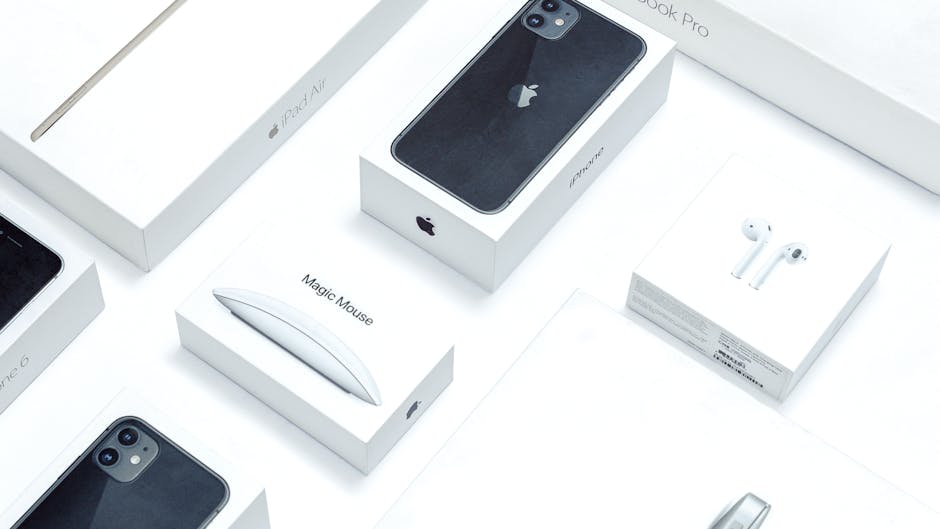
Photo by Alan Quirván on Pexels
Processor and Charging Architecture for Grid Instability
That learning stops if the battery dies. LMIC consumer device engineering must assume charging environments that would damage standard Western hardware. Grid voltage fluctuates between 90 and 270 volts. Users charge at shared stations in markets where 2.4A adapters are luxury items, or they draw power from motorcycle batteries through improvised cables. Processor selection must prioritize thermal efficiency over benchmark scores. A Snapdragon 4-series Gen 2 throttles less aggressively under sustained load than 6-series chips in unventilated pockets, maintaining responsive touch for navigation. Affordable consumer electronics design therefore prioritizes charging circuit resilience over fast-charge speed. MediaTek’s Pump Express tolerates variable input better than USB-PD implementations requiring stable 9V negotiation, giving you more reliable performance across unpredictable power sources. Battery chemistry matters too. Lithium iron phosphate cells sacrifice energy density for thermal stability in 45-degree ambient temperatures. Some brands now include reverse charging, allowing the smartphone to serve as a power bank for the user’s feature phone or LED lamp. A device that shuts down from heat, refuses to charge from a worn cable, or dies by 4 PM loses the user permanently—the cost of a warranty return often exceeds the device’s margin.
Modular Design for Street-Corner Repair Economics
When the charging port inevitably frays from grit and daily insertion cycles, or the battery degrades after 500 cycles in 40-degree heat, the user cannot mail the device for service. Low-cost electronics design historically meant sealed, glued units that minimize assembly cost. This is a commercial error. Realme and Tecno have shifted to sub-board architectures where the USB port lives on a separate, replaceable PCB connected via ribbon cable, so technicians can replace just the failed component instead of the entire assembly. Nokia’s C-series reintroduced user-replaceable batteries. Crucially, these devices use standard Phillips screws rather than Pentalobe, allowing local technicians with generic toolkits to perform repairs. Spare parts logistics change when distribution happens through open-air markets rather than certified depots. Modular designs allow brands to supply replacement sub-boards in bulk to regional distributors, reducing reverse logistics costs compared to integrated designs requiring factory service. This modularity acknowledges that developing market device ecosystems include informal repair chains where a replacement sub-board costs the user two dollars and twenty minutes, not a week without a phone. Designing for the street-corner technician extends average product life by eighteen months. That longevity translates directly to brand trust and upgrade retention.

Photo by Quang Nguyen Vinh on Pexels