Biometric Capture Requires Precision Optics, Not Consumer Cameras
That geometric conflict starts with light. Liveness detection algorithms require specific spectral conditions to distinguish a living face from a photograph or screen. Most implementations need near-infrared illumination at precisely the angles where specular reflection would otherwise blind the sensor. Retail ambient lighting—fluorescent tubes, storefront windows, camera flashes—introduces noise that spoofing algorithms interpret as attack vectors. A dedicated biometric KYC device cannot use the front-facing camera from a consumer tablet because the NIR filter stack and lens geometry are wrong for anti-spoofing. You need a dedicated optical path with diffused NIR LEDs positioned to cancel shadows under brow ridges without creating hot spots on cheekbones. This transforms the kiosk from a computer housing into an optical instrument where every surface is a potential reflector and the distance between lens and subject becomes a security parameter.

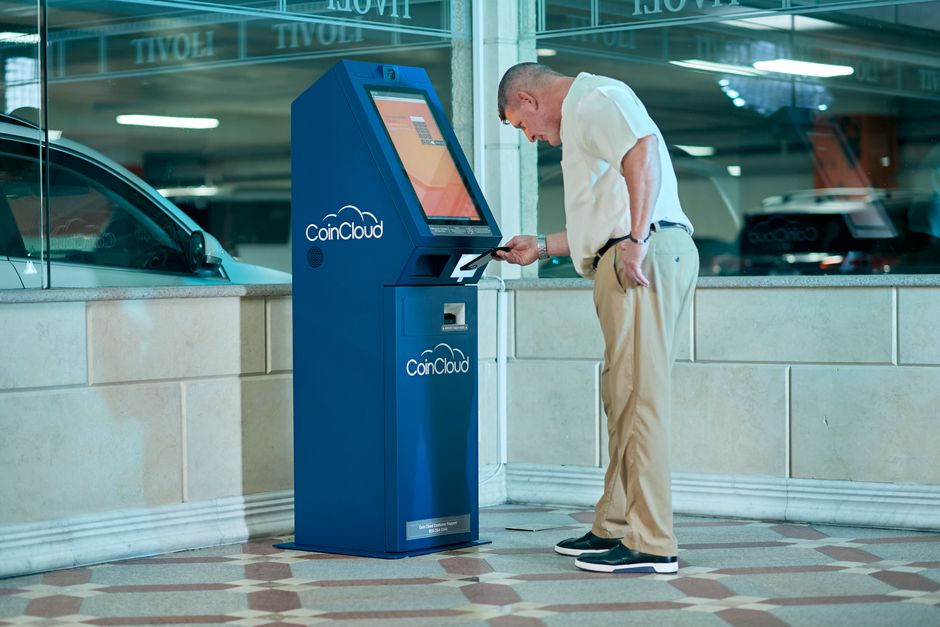
Photo by Reinis Brūzītis on Pexels
Document Scanning and Face Capture Require Competing Geometries
Passport scanners require documents laid flat or fed through a motorized track, placing the chip and hologram at a fixed plane. Facial capture for ICAO-compliant biometrics requires the eyes at a specific height relative to the camera, varying by population anthropometry from the 5th percentile female in Vietnam to the 95th percentile male in the Netherlands. Clear solves this in airports with dedicated height-adjustable gantries, but retail telecom registration kiosks rarely have that floor space—leaving you to choose between a motorized height-adjustable column that requires maintenance and an array of fixed sensors that increases cost. Both solutions must solve the same parallax problem or the hologram verification fails. Fixed installations often require users to squat or tiptoe, inducing movement blur that liveness algorithms reject as potential injection attacks.
The 90-Second Transaction Determines Your Redundancy Budget
When positioning fails, the queue stalls. In a humid Manila mall during monsoon season, capacitive fingerprint sensors can fail at rates exceeding three times baseline due to moisture and sebum changes. A rejected capture forces the user to restart the KYC flow, turning a ninety-second target into a four-minute ordeal that triggers abandonment. Redundancy requires physical real estate: a backup facial recognition module or secondary fingerprint sensor competes with screen size and printer access for limited front-panel area. Because mechanical components like card dispensers and thermal printers generate heat and vibration, their placement affects biometric sensor calibration. The thermal load from a SIM personalization printer can drift the focal plane of a document camera by fractions of a millimeter—enough to reject a hologram verification and force a manual override that costs the carrier three dollars in support time. Thermal coupling must be treated as a signal integrity issue, not a comfort specification.
eSIM Provisioning Removes Mechanical Complexity but Increases Display Requirements
Physical SIM dispensing requires mechanical complexity that eSIM removes, but the verification requirements remain identical. Without a tangible card to hand the customer, the eSIM registration device must broadcast trust through other means. The transaction culminates in a QR code or activation token displayed on screen, but bright retail environments wash out standard LCD panels. The display must exceed 1000 nits to ensure QR code readability under direct halogen lighting, driving power consumption that competes with processor requirements for liveness detection algorithms. The absence of a printer changes the thermal budget, allowing tighter enclosures, but the screen now functions as the primary trust signal. Users perceive eSIM as less tangible, so the hardware must compensate with haptic feedback and audio confirmation that the profile downloaded successfully, requiring speakers and transducers that sealed kiosks often omit for weatherproofing.