Multipath Interference From Metal Walls Demands MIMO Arrays, Not Interior Antennas
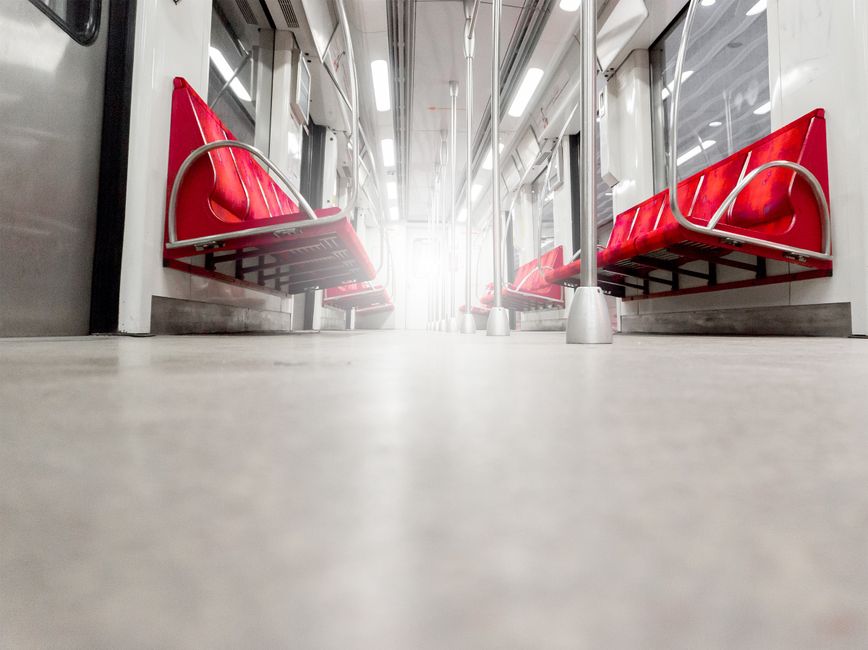
Buses and trains are essentially Faraday cages on wheels. The aluminum or steel skin that protects passengers creates a reflective cavity that scatters cellular signals into ghost copies arriving at slightly different delays. A consumer modem receives the same transmission three or four times, confusing error correction algorithms that assume line-of-sight propagation. On-board passenger internet requires MIMO antenna arrays with spatial diversity—typically four or more elements mounted at opposing corners of the vehicle roof. Cradlepoint’s COR series and Sierra Wireless’s AirLink routers specify external high-gain antennas for this reason: not as range extenders, but as pattern diversity tools that give the DSP multiple signal vectors to isolate the strongest path, a capability consumer modems lack. When a passenger attempts a video call as the bus rounds an urban corner, the modem must seamlessly combine signals bouncing off nearby buildings with the direct tower path without dropping the session. If your antenna mounts inside the cabin behind tinted glass, that handoff fails. Antenna placement becomes a structural decision that determines whether the product works at all.
Extreme Temperature Swings Require Fanless, Conduction-Cooled Enclosures
The roof of a parked bus in Phoenix can reach 85°C, while the same equipment faces -30°C startup conditions in Montreal winters. Consumer networking gear is rated for 0°C to 40°C; transit hardware must survive IEC 60068-2-1 temperature extremes while maintaining RF calibration across a 115°C swing. Forced-air cooling pulls conductive dust and salt spray into the PCB, so public transport systems rely instead on conduction cooling through the mounting chassis—aluminum castings or heat-pipe assemblies bonded directly to modem chips. The challenge is not removing heat but maintaining stable oscillator frequencies; a 4G oscillator that drifts 2ppm at 70°C loses carrier lock, collapsing your MTBF from three years to eighteen months. Icomera’s Icomera S-series units exemplify this approach with sealed, fanless enclosures and finned heat sinks that double as mounting feet. Thermal design determines service life and whether this becomes a capital asset or a recurring warranty burden.
Power Conditioning Protects Against Load Dump Spikes That Disable Unprotected Modems
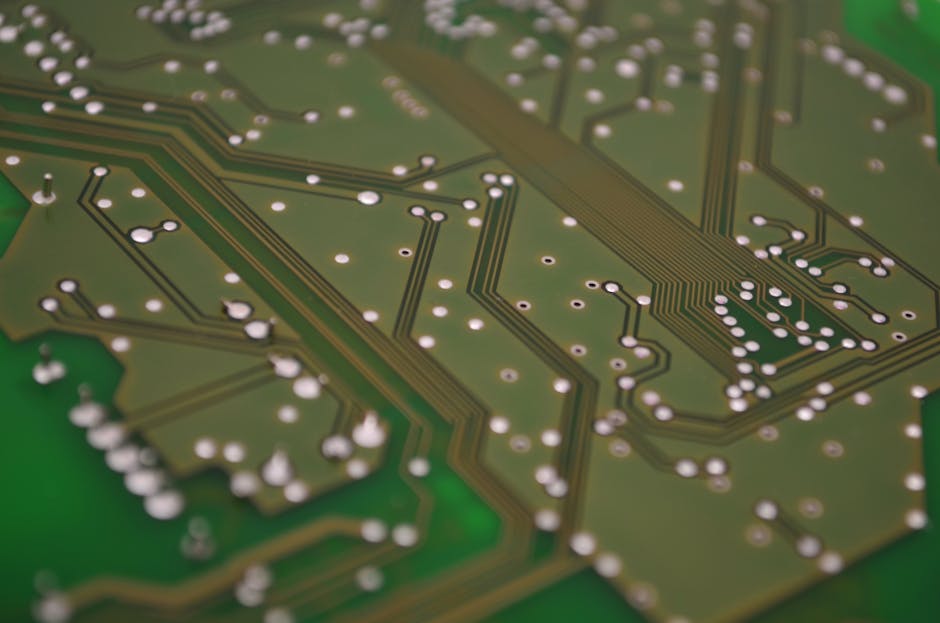
Vehicle electrical systems generate transients that destroy unprotected silicon. A 24V bus system can spike to 120V during load dump events when the driver shuts down the engine. ISO 7637-2 defines these pulses; hardware must filter them before they reach the cellular module. Bus and train connectivity design therefore begins with isolated DC-DC converters and TVS diode arrays, not protocol selection. Nomad Digital’s systems specify wide-range 36V to 72V input tolerance with reverse polarity protection, because maintenance crews occasionally connect batteries backwards—an oversight that would reboot an unprotected router every engine start, destroying user trust faster than slow throughput. Stable power is the prerequisite for session persistence.
Offline Operation Requires Edge Caching and Self-Healing Local Storage
When the vehicle enters a tunnel, connectivity drops. The fleet system cannot go blind. Local intelligence must buffer CCTV footage, store passenger counting data, and queue firmware updates until the cellular link returns. Edge caching changes the design paradigm: treat offline operation as the default state, not an error condition. CommScope’s OneCell systems use onboard caching proxies that serve passenger requests from local storage when backhaul is interrupted, then synchronize deltas once the signal returns. The diagnostic logic must also run locally. If the modem loses registration, the device should power-cycle the radio module automatically and log the event to internal NAND flash for later retrieval. Remote management assumes intermittent connectivity. Design for the disconnected moment, and the connected moments handle themselves.