The Public Commitment
Hardware crowdfunding has resurrected the independent gadget company, allowing solo founders to validate demand before touching a manufacturing line. But this model contains a structural trap: the campaign succeeds by promising the future, yet the funding arrives before the supply chain exists. The products that ship are those designed for production feasibility at the prototype stage, with every feature choice serving manufacturing certainty rather than engineering ambition.
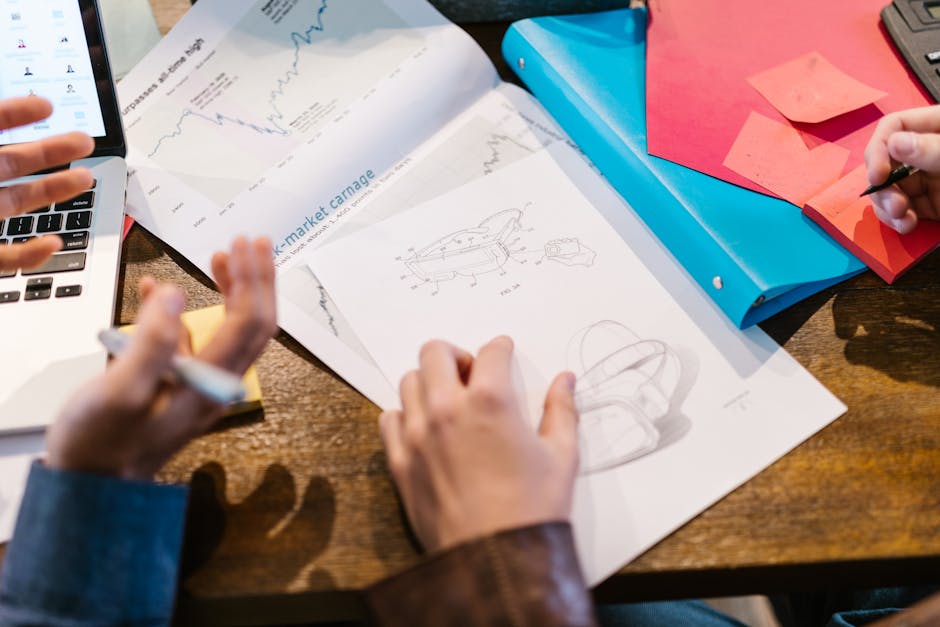
Photo by RDNE Stock project on Pexels
The Prototype as Production Proof
That financial commitment changes what a prototype must demonstrate. In traditional product development, a working prototype proves that a function is possible. In crowdfunding product design, it must prove that the function is manufacturable at scale. The gap between “works once” and “ships ten thousand units” is where campaigns live or die.
Consider the trajectory of the Coolest Cooler. The campaign raised over $13 million on the strength of a feature-rich prototype that combined a blender, waterproof speaker, and USB charger. But the design required a custom blender motor housing and complex waterproof seals that no existing factory could execute reliably at the promised price point. When manufacturing delays hit, the company burned through funds trying to force a supply chain to accommodate a design that should have been simplified before the campaign launched.
Successful Kickstarter product hardware follows the opposite path. Pebble’s e-paper watch shipped largely because the team selected components already produced in millions of units, designing around existing LCD manufacturing constraints rather than specifying custom displays. Their prototype demonstrated not just wrist-worn notifications, but the ability to source screens, batteries, and injection-molded housings from established vendors with proven capacity—a competitive advantage that allowed them to meet timelines while competitors with custom-engineered components faced years of delays. The design was conservative by engineering standards, but conservative is shippable.
Engineering for Factory Reality
This constraint inverts the traditional development sequence. Instead of optimizing features then finding a manufacturer, crowdfunded device engineering requires selecting factories first, then designing within their documented capabilities. If your chosen injection molder certifies ±0.1mm tolerance on polycarbonate housings, your snap fits and gasket grooves must assume that variation, not the ±0.05mm achievable on a CNC prototype.

Photo by Mandiri Abadi on Pexels
The temptation to specify exotic materials or novel mechanisms is strong. They differentiate the campaign page. But prototype to production design demands that every unique element have a verified secondary supplier before launch. When the primary vendor for your custom-machined aluminum dial encounters capacity constraints, you need a fallback that can match the specification without retooling the entire assembly.
Designing for redundancy at the component level is not pessimism; it is the risk mitigation that allows you to promise a delivery date with confidence. This approach extends to engineering decisions like avoiding ultrasonic welding in favor of mechanical fasteners, which allow field repairs if a batch of units fails testing, rather than requiring complete scrappage.
The Backer as User
The manufacturing discipline ultimately serves a specific moment of human behavior: the unboxing six months after the pledge. Campaign product UX extends beyond the interface to the physical experience of receiving a delayed gratification purchase. The backer who has waited through production delays opens the package with skepticism sharpened by months of crowdfunding horror stories. The cardboard flaps reveal not just a device, but the physical evidence of whether your promises were honest.
Backer-friendly product design anticipates this psychology. It means avoiding features that require precise calibration in the factory, because that calibration will drift during ocean freight. It means selecting surface finishes that hide minor molding imperfections rather than gloss black, which turns every microscopic flow line into a perceived defect. It means designing the packaging to survive the specific drop test of a disgruntled delivery driver, because a broken promise arriving broken in the box destroys the word-of-mouth marketing that crowdfunded companies depend on for survival.