Designing for Peripheral Attention
Patience in interface design requires abandoning the assumption that users are looking at your product. Screen-based devices command foveal attention. They interrupt. In contrast, successful calm home device UX operates in the periphery, noticed only when relevant. This shifts the industrial design burden from visual branding to acoustic and tactile signature. The Loftie clock, for example, uses a mechanical button for the snooze function and a specific speaker housing that directs sound downward toward the sleeper rather than outward into the room. The hardware constraint is not miniaturization but directionality. When you cannot flash an alert, you must engineer the physical propagation of sound waves and the attenuation of unwanted noise. The PCB placement and enclosure geometry determine the user experience more than any software layer. A misplaced inductor that creates electrical whine becomes a product-killing bug, not a minor spec deviation.
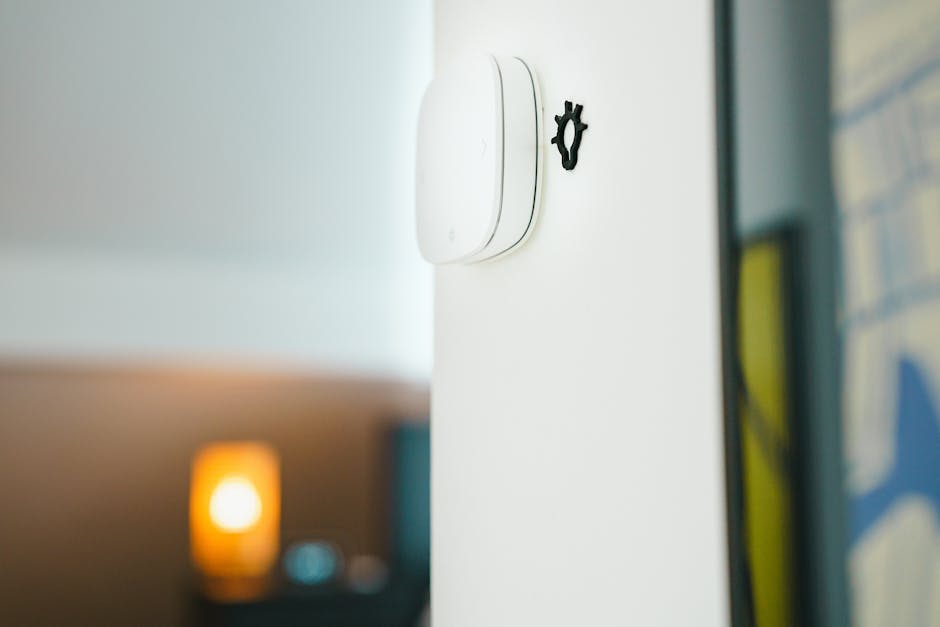
Photo by Jakub Zerdzicki on Pexels
Temporal Feedback Loops
If users are not looking, they are listening or feeling. Audio unfolds in time, not space. This changes how you design confirmation states. A display-free smart device cannot show a loading spinner. It must use tone, tempo, or haptic rhythm. In ambient audio device engineering, feedback latency becomes a critical specification. The Teenage Engineering OB-4 handles this by treating interaction as a physical manipulation of a tape loop, where the motor noise itself provides system status—a design choice that works only because the mechanical behavior is locked in at manufacturing. For mainstream home products, this translates to careful actuator selection. A stepper motor’s whine communicates more than a silent vibration motor ever could. The trade-off is that every sound becomes part of the brand. You cannot update firmware to fix an annoying click. The mechanical design is frozen at injection molding. This shifts risk earlier in the development cycle. Prototyping must include final acoustic materials, not just 3D printed shells, because resonance changes everything.
Manufacturing for Circadian Sensitivity
That mechanical permanence matters most during the biological night. A user reaching for a screenless smart speaker at 2 AM to stop a timer or trigger a routine faces different constraints than one using a phone. If the device uses capacitive touch, the user must locate an unlit surface. If it uses a mechanical button, the travel distance and detent force become safety features. Too easy, and the cat triggers it. Too stiff, and the user fumbles awake. Design teams often specify silicone overmolds with specific Shore A hardness for these interfaces, not for aesthetics, but for tactile recognition in darkness. LED indicators require physical light pipes with opaque baffling to prevent light leakage that destroys melatonin suppression. Even the thermal properties matter. A device that runs warm becomes a worry object. These are not finishing details. They are the primary interface for low-stimulation home electronics.
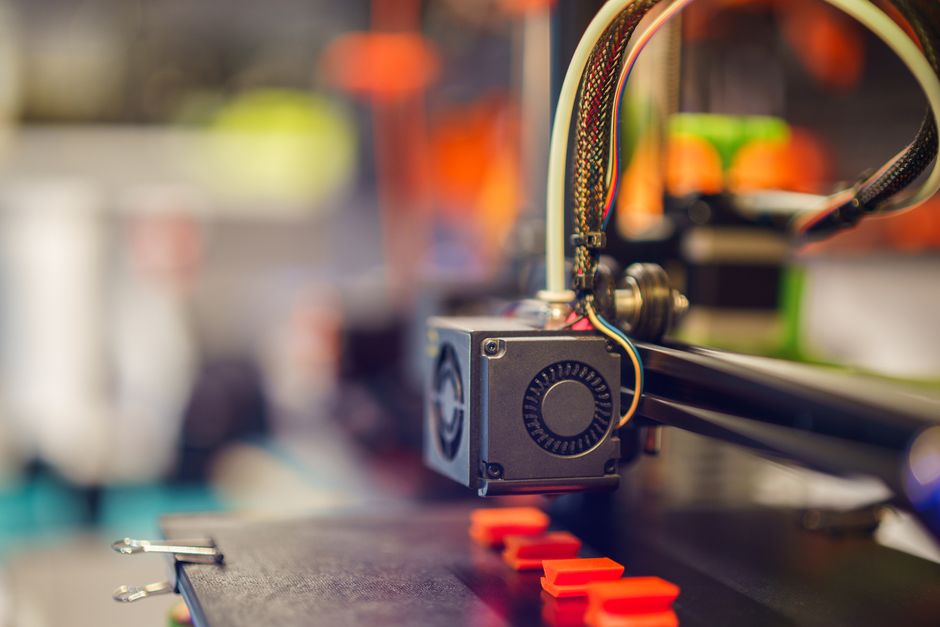
Photo by Jakub Zerdzicki on Pexels