Conformal Coating and Gasketing as Base Specifications
Mainstream smartphone design optimizes for thermal stability within narrow bands, assuming air conditioning and stable voltage between 100-240V. Emerging market devices face different physics. Input voltage spikes to 300V when diesel generators engage without warning. Dust particles smaller than 10 microns infiltrate speaker grilles and camera modules within weeks. Humidity above 80 percent corrodes PCB traces and bridges fine-pitch connectors.
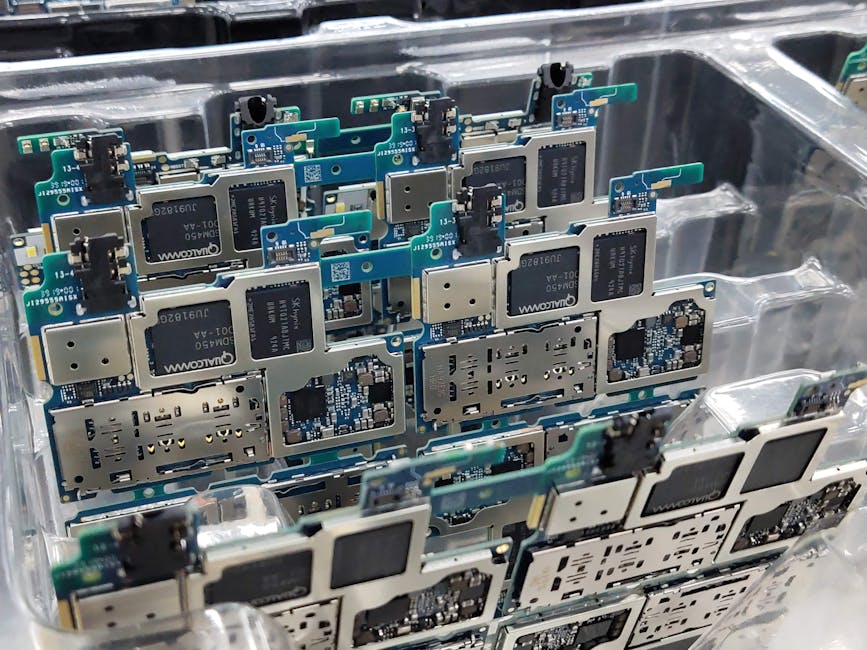
Photo by Andrey Matveev on Pexels
This means conformal coating and gasketing move from the “rugged” premium tier to the base specification of every low-cost connectivity device. It means engineering choices like capacitors rated for 85°C ambient temperature, not the 25°C typical of climate-controlled spaces. It means rubberized port covers that survive ten thousand insertion cycles rather than aesthetic metal grilles. Companies like Tecno Mobile, Itel, and Infinix—which collectively dominate African and South Asian markets—engineer their entry-level devices with sealed micro-USB ports and reinforced corner bezels not as premium features, but as survival mechanisms. When a device fails in these markets, the owner often faces a choice between essential expenses and repair. The hardware decision to add $0.40 of silicone sealing becomes a user retention strategy that determines market share.
Power Management for Unreliable Grids
That environmental sealing creates a secondary constraint: heat dissipation becomes harder just when thermal loads increase from ambient temperatures exceeding 40°C. In markets where electricity arrives two hours per day or requires travel to a shared charging station, affordable telecom hardware must tolerate deep discharge cycles that would destroy standard lithium-ion cells.
The charging circuit design changes fundamentally. Reverse polarity protection becomes essential because users frequently charge from car batteries with improvised cables. Input voltage regulation must handle swings between 50V and 300V. The power management IC must support trickle charging from small solar panels and handle the voltage collapse that occurs when a village generator powers fifty simultaneous loads. These are not bonus features; they are the baseline requirements for emerging market smartphone design. A device that requires stable 5V/2A input simply will not function where the grid sags to 3V or spikes to 12V. The architecture must prioritize power path efficiency and weeks-long standby times over processing benchmarks, accepting slower CPUs in exchange for survival when the lights go out.
Modular Design for Street-Level Repair
Sealed glass sandwiches with proprietary pentalobe screws assume centralized service centers and consumer insurance. Emerging markets operate on street-level repair ecosystems where technicians work with tweezers and hot air guns under market awnings. Effective emerging market device design therefore requires Phillips screws, not adhesives. It requires sub-assemblies connected with board-to-board connectors rather than soldered flex cables. It requires displays that separate from frames without heat guns, and batteries that slide out without prying tools.
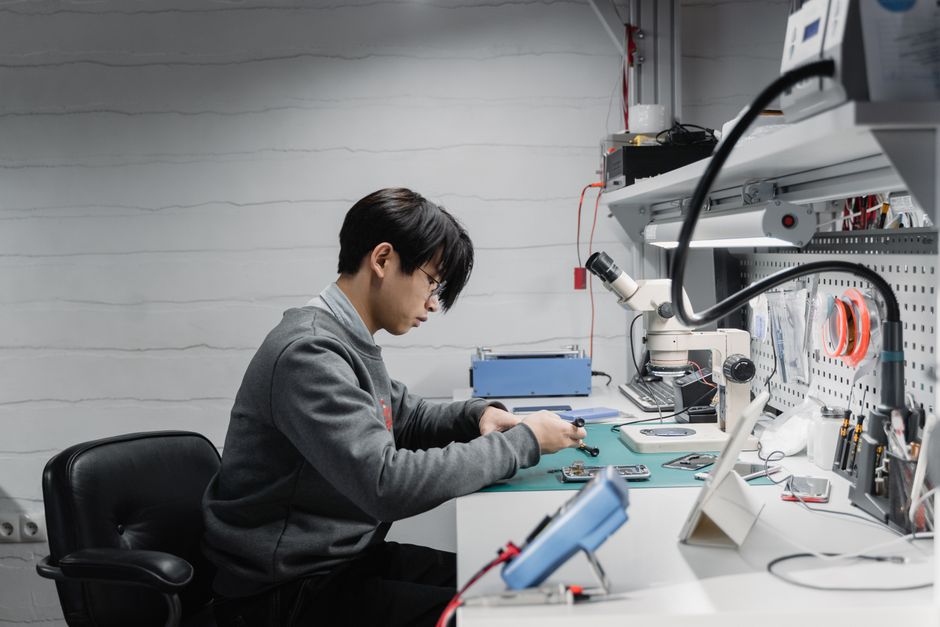
Photo by Tima Miroshnichenko on Pexels
This design philosophy contradicts the Western trend toward thinner, sealed units. But it aligns with the economic reality of emerging markets, where the total cost of ownership over three years matters more than the initial purchase price. A device designed for disassembly creates a secondary market for batteries and screens, extending the product lifecycle and building brand loyalty through maintainability rather than forced obsolescence. Hardware that cannot be repaired locally will be abandoned for competitors that can.