Compliance Baseline vs. Operational Reality
The baseline for machine control cabinet engineering is IEC 60204-1. It dictates wire gauges, earth bonding, and protection against electric shock. It ensures the device will not start a fire or electrocute the maintenance technician. This is necessary but insufficient. A fully compliant panel can still destroy factory output if an operator cannot locate the correct reset sequence during an alarm cascade. The business implication is severe: CE marking gets the machine shipped, but downtime frequency determines whether it stays on the floor. Most factory automation panel UX fails not from lack of data but from presenting twenty status indicators with equal visual weight when only one demands immediate action. Compliance tests static safety. Production requires dynamic clarity.
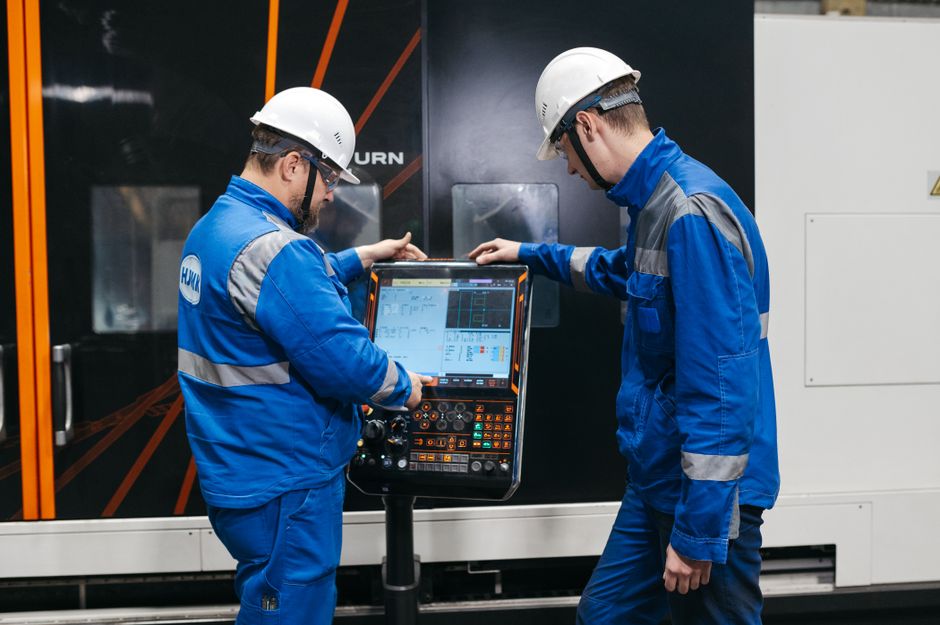
Photo by Sergey Sergeev on Pexels
Hardwired Controls vs. Touchscreen Menus Under Stress
When a packaging line jams at full speed, the operator experiences peripheral vision narrowing and degraded fine motor control. This is where most HMI control panel engineering fails. The trend toward 15-inch touchscreens with nested menu trees assumes calm focus and clean hands. In reality, greasy gloves and adrenaline turn precise taps into failed inputs. Physical pushbuttons remain superior for emergency functions not because they are low-tech, but because they offer tactile feedback and spatial constancy that survives sympathetic nervous system arousal. The design decision is economic: allocate touchscreen flexibility for setup and calibration, but hardwire the e-stop and fault reset to physical switches that can be found by feel alone. The cost of a few extra IO points is negligible against the cost of a ten-second delay during a critical stoppage.
Panel Layout and the Operator’s Spatial Memory
The physical layout of an industrial panel must respect the operator’s reach envelope and muscle memory. In machine operator interface design, controls grouped by electrical phase (L1, L2, L3) serve the electrician during build, while controls grouped by function (conveyor, heater, cutter) serve the operator during use. These are often in conflict. The resolution is strict zoning: safety devices at the lower third within palm reach, process controls at the midline, and diagnostic displays above eye level. Color coding must follow IEC 60073 without deviation. Red means emergency. Yellow means abnormal. Any deviation introduces hesitation. Every millimeter of travel between sequentially operated controls adds friction. When established players like Rockwell or Siemens set layout conventions across a plant floor, operators transfer skills between machines, ignoring these spatial grammars forces relearning and increases error rates during shift changes. These spatial decisions compound when the machine stops and the operator becomes the maintenance technician.
Photo by Sergey Sergeev on Pexels
Service Access as a Production Cost Driver
Industrial panel layout design must treat service access as a production variable, not an afterthought. A panel designed purely for operator use becomes a liability when the line stops for electrical faults. Separation of safety circuits from control logic allows technicians to troubleshoot without full lockout-tagout delays. Modular component placement, with drives grouped together and IO on swing panels, reduces mean time to repair. The business weight is direct. If a competitor’s machine requires two hours to replace a VFD and yours requires twenty minutes, your total cost of ownership wins the contract. Thermal management choices compound this. Components that run hot and fail often should live on the front panel, not buried behind bus bars. The control cabinet is a lifecycle asset, not a shipping container for relays. Yet the ultimate test of any panel occurs not during repair, but during the routine transfer of control between operators.