IP69K Sealing Architecture for Caustic Washdown Survival
That washdown reality dictates the protection architecture from the first sketch. IP69K, the standard for high-pressure, high-temperature washdown protection, requires surviving 80°C water delivered at 80 to 100 bar through a rotating nozzle at multiple angles. Consumer IP68 ratings, tested in static freshwater, provide no defense against the caustic chemicals and mechanical force of a sanitation shift.
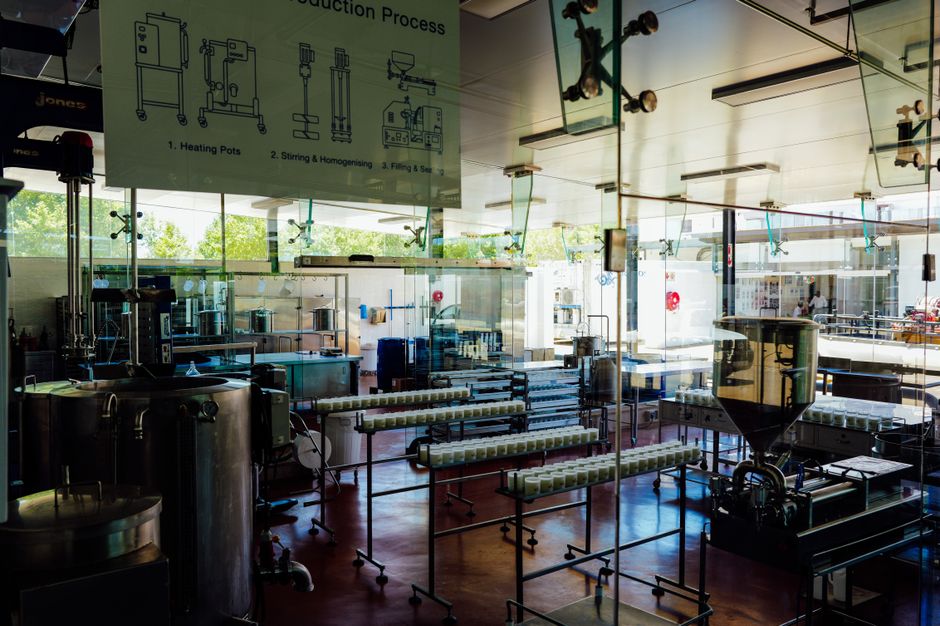
Photo by Adrien Olichon on Pexels
This distinction changes how you design seams and joints. Axial gaskets compressed between flat faces will eventually allow capillary migration of sanitizing chemicals into the electronics bay. IP69K food device design instead relies on radial O-ring seals in grooves that increase compression as external pressure rises, or continuous welded joints that eliminate seams entirely. The sealing strategy must account for daily thermal cycling between ambient production temperatures and 80°C washdown, where material expansion rates mismatched by even a few microns create ingress paths. A sealing decision made for static waterproofing becomes a failure mode when caustic foam migrates through capillary action into sensor housings.
316L Stainless Steel Geometry Eliminates Bacterial Harborage
IP69K protection fails if the housing geometry creates harborage points where bacteria survive the washdown. Food safety HACCP principles require eliminating crevices, threads, and sharp internal corners where protein residue accumulates. This transforms industrial design from an exercise in packaging electronics into a study in cleanable geometry.
Stainless steel food device specifications start with 316L grade, not 304. The molybdenum content in 316L resists the chloride ions in caustic sanitizers that pit standard stainless over time. Surface finishes must achieve Ra 0.8 micrometers or better, eliminating the microscopic valleys where biofilms form. All product-contact zones require continuous welds ground flush, with slope angles steeper than 3° to ensure complete drainage. Hygienic design standards (3A SSI, EHEDG) prohibit exposed threads in product zones, meaning fasteners must reside in sealed pockets or use hygienic clamping systems. A surface finish decision made for corrosion resistance becomes an audit failure when a 90-degree corner traps residue that survives sanitation.
Thermal Isolation Protects Electronics from Sanitation Heat
Those stainless steel constraints create a secondary problem for the electronics inside. Metal housings conduct the 80°C washdown heat directly toward processors and sensors, while the hermetic sealing required for IP69K prevents convective cooling. Standard thermal management strategies, vents, fans, or heat sinks exposed to air, are impossible in a sealed environment that must resist high-pressure chemical intrusion.
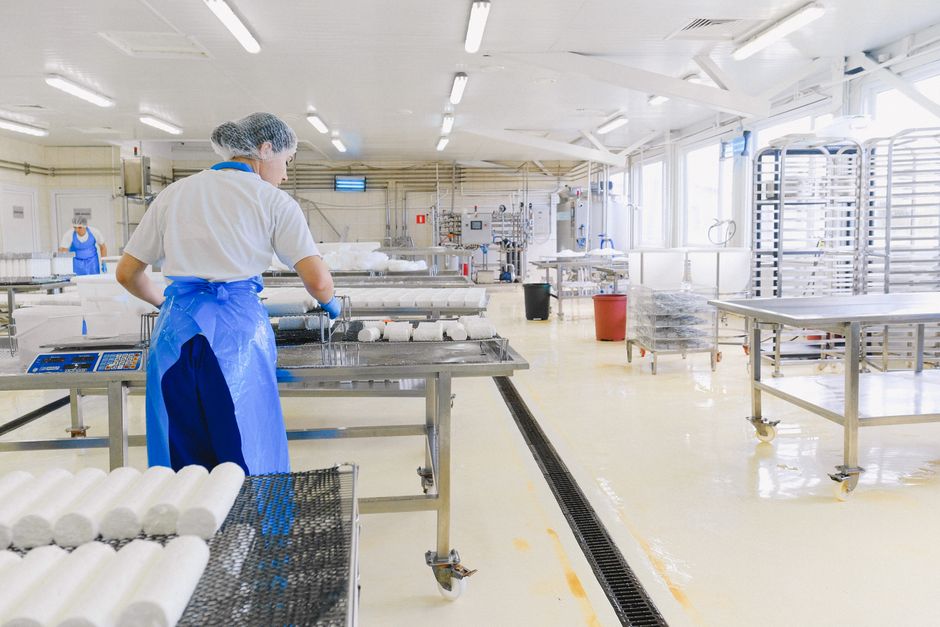
Photo by Anna Shvets on Pexels
Smart food devices require isolating the electronics chamber from the outer shell through thermal breaks or phase-change materials, while maintaining the structural integrity needed for washdown survivability. Conformal coating on PCBs provides a secondary defense against condensation that forms when the 80°C exterior cools rapidly after sanitation, creating temperature differentials that draw moisture into the housing through breathing effects. The thermal decision made to protect the processor becomes a condensation risk during the cool-down phase after the sanitation cycle ends.