What the Operator’s Hand Actually Needs to Learn
Skill transfer starts with the hand, not the eye. Real industrial controls possess specific resistance profiles that communicate machine state. Excavator joysticks exhibit viscous damping that varies with hydraulic temperature. CNC feed wheels have mechanical backlash that alerts operators to cutting load. Emergency stops on stamping presses require 15 kilograms of force with a distinct tactile detent. If your simulator uses off-the-shelf game controllers or spring-loaded potentiometers, you teach the nervous system to associate control inputs with the wrong force response.

Photo by Mikhail Nilov on Pexels
Serious Labs addressed this in their aerial work platform simulators by machining custom joystick mechanisms that replicate the exact friction curves of JLG and Genie control pendants. Trainees develop grip pressure instincts that transfer directly to actual equipment. A joystick that returns to center too quickly teaches overcorrection. A button that clicks instead of compresses teaches premature release. These micro-habits persist when the operator faces real machinery, creating the hesitation or overconfidence that causes accidents.
Why Haptic Latency Is a Safety Threshold, Not a Performance Metric
That mechanical fidelity collapses if the control loop lags. Visual latency below 20 milliseconds is standard for VR industrial trainers, but haptic latency follows different neurological rules. When a trainee snaps a hydraulic lever, the resistance must build within 5 milliseconds or the brain interprets the delay as a different material state, confusing sludge with clean hydraulic fluid.
An operator in a steel mill simulation wears a VR headset but grips a physical pendant control. An unexpected jam occurs. The trainee has 0.8 seconds to identify the vibration through the grip and apply 20 kilograms of force to a physical brake handle. If the simulator delays resistance by even 10 milliseconds, the operator learns to apply force too late, or associates the wrong timing with the visual cue. CM Labs solved this in their Vortex excavator simulators using direct-drive actuators with 1 millisecond response times, ensuring motor memory matches the real machine’s physics. Timing mismatches in the force feedback loop create hesitation patterns that persist on actual production equipment.
Industrial Hardware Must Survive What Novice Operators Actually Do
These precision mechanisms face training intensities that exceed normal operational use. Novice operators panic-slam emergency stops, over-travel mechanical limits, and drop joysticks when startled. A production machine encounters these actions rarely; a simulator encounters them hourly. Factory simulation hardware cannot use consumer-grade haptics rated for casual gaming. The actuators must carry IP65 ratings, 24/7 duty cycles, and mechanical end stops that withstand repeated impact without calibration drift.
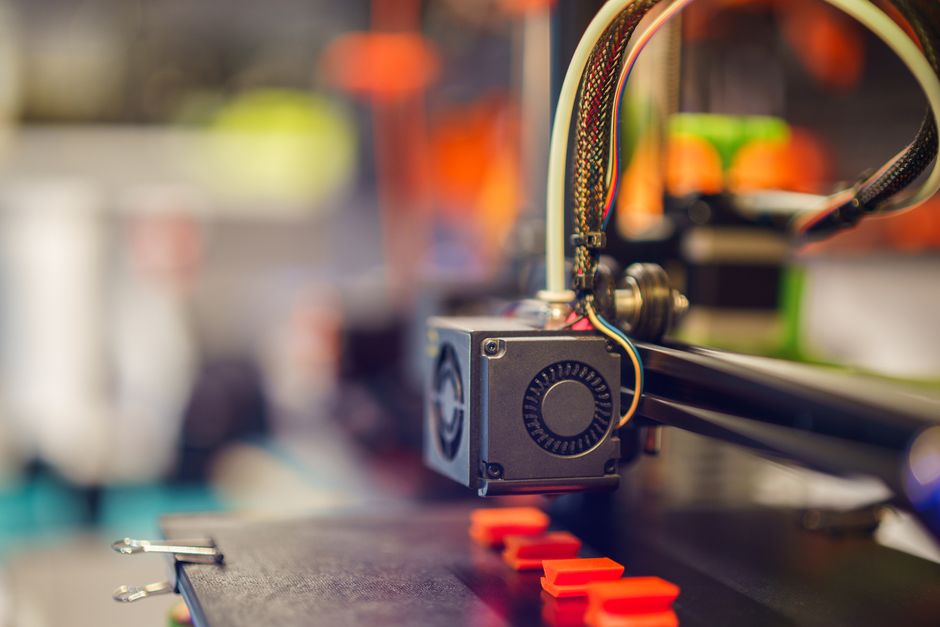
Photo by Jakub Zerdzicki on Pexels
ForgeFX builds industrial welding simulators with actual Miller or Lincoln electric torch bodies modified with strain gauges and force sensors. They use the real components because plastic replicas crack under the grip pressure of anxious trainees. A simulator that softens its resistance profile over time becomes a liability, teaching operators to compensate for hardware wear that does not exist on the production floor.