
Introduction
Rapid prototyping is a product development approach that allows designers and engineers to quickly create physical models of a part or product using digital designs. It uses technologies like 3D printing, CNC machining, and additive manufacturing to transform ideas into tangible prototypes in a short amount of time. This process helps teams test form, fit, and function early in the design cycle, reducing the risk of costly changes later. By enabling fast iterations and real-world validation, rapid prototyping accelerates innovation and improves the chances of getting the final product right.
Context and Why This Topic Matters Today
The competitive landscape necessitates a swift response to market demands and evolving consumer preferences. Rapid prototyping allows companies to test assumptions, gather user feedback, and refine designs early in the development process. This iterative approach drastically cuts down on development time and resource expenditure compared to traditional, linear approaches. Businesses across various industries leverage rapid prototyping to gain a competitive edge by introducing innovative products faster and more efficiently.
Definition
Rapid prototyping is a process of creating a physical or virtual model of a product or system to quickly test and refine its design. It emphasizes speed and iteration over perfection, allowing designers and engineers to explore multiple design options and identify potential issues early on. This contrasts sharply with traditional prototyping methods which often involved lengthy and costly processes focused on creating a single, highly-detailed prototype. Think of it like sketching a design repeatedly, refining each sketch based on feedback, instead of painstakingly crafting a single perfect drawing from the outset.
Key Principles / Core Concepts
Speed and Iteration:
Rapid prototyping prioritizes the creation of multiple prototypes in a short timeframe. This iterative process allows for continuous improvement based on feedback and testing.
Cost-Effectiveness:
The techniques used in rapid prototyping tend to be relatively inexpensive compared to traditional methods, making it accessible to smaller companies or projects with limited budgets.
Collaboration and Feedback:
Effective rapid prototyping relies heavily on collaboration between designers, engineers, and users. Gathering and incorporating feedback from each iteration is crucial.
Material Selection:
The choice of material depends on the prototyping phase and the intended use of the prototype. Early prototypes might use cheaper materials for functional testing, while later prototypes might utilize materials closer to the final product.
Software and Tools:
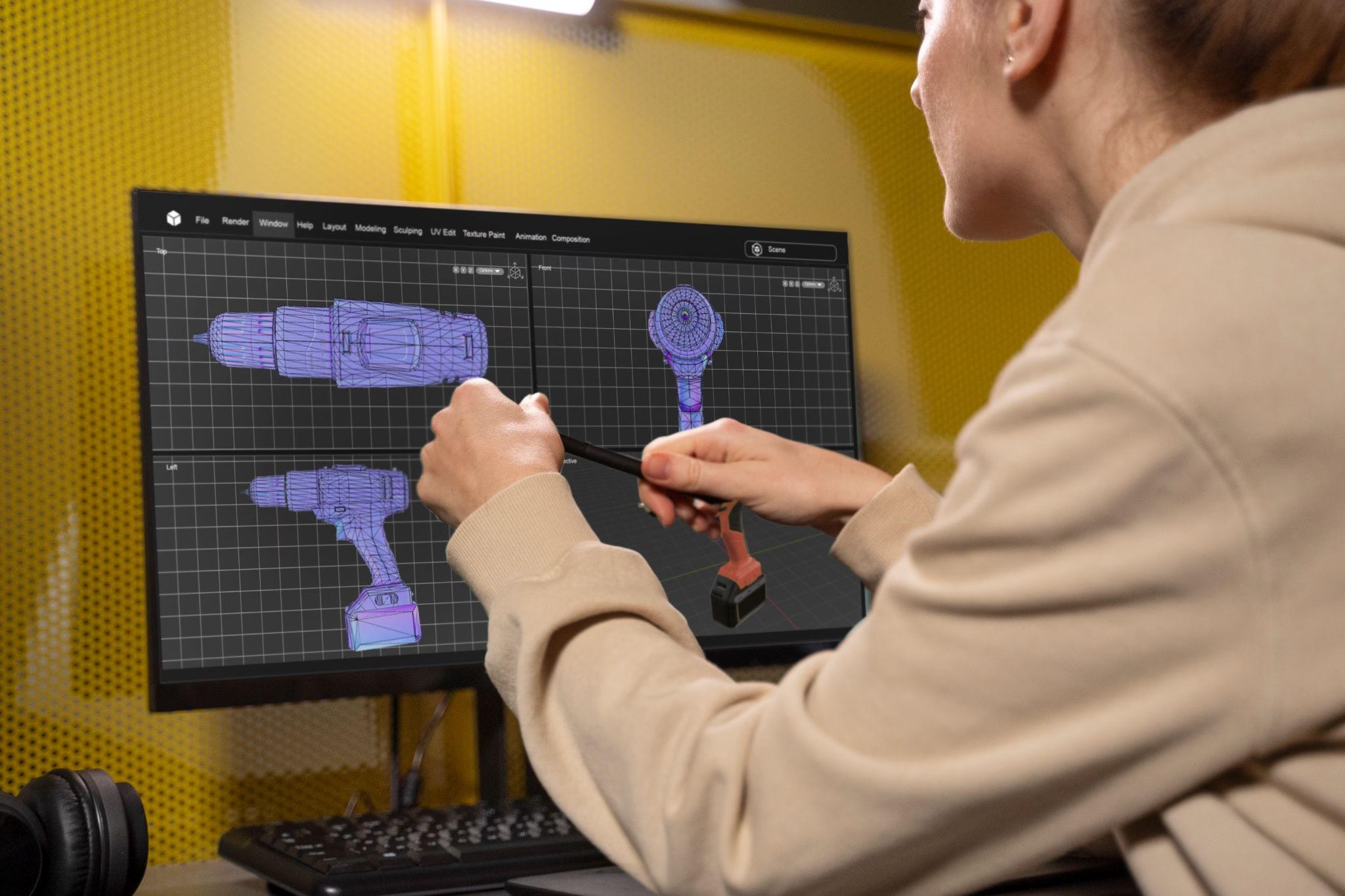
A range of computer-aided design (CAD) software, 3D printing technologies, and other digital fabrication tools are essential for successful rapid prototyping.
How It Differs From Related Concepts
How does rapid prototyping differ from traditional prototyping?
| Feature | Rapid Prototyping | Traditional Prototyping |
|---|---|---|
| Speed | Very fast, iterative process | Slow, often linear process |
| Cost | Relatively low | Relatively high |
| Iteration | Multiple prototypes created and refined | Fewer, more refined prototypes |
| Material Use | May use less expensive, less precise materials | Often uses final or near-final materials |
| Focus | Testing and refinement of design concepts | Creating a highly detailed, near-finished model |
How does rapid prototyping differ from additive manufacturing (3D printing)?
While 3D printing is a significant tool used in rapid prototyping, they are not synonymous. Rapid prototyping encompasses a broader range of techniques including hand-modeling, laser cutting, CNC machining, and more. 3D printing is just one method to achieve rapid prototyping goals. Moreover, rapid prototyping emphasizes the iterative cycle and feedback loop, while 3D printing simply focuses on the fabrication process itself. 3D printing can be part of a larger rapid prototyping workflow but is not the entire process.
Real-World Applications
Rapid prototyping is widely used across diverse industries:
- Automotive: Testing vehicle designs, creating functional prototypes of parts, and visualizing interior layouts. Companies like Tesla use rapid prototyping extensively for iterative design improvements.
Architecture and Construction: Creating models for building designs, visualizing spatial relationships, and testing structural integrity. Architects use rapid prototyping to present innovative designs to clients.
Common Misconceptions
- Rapid prototyping is only for high-tech companies: While advanced technologies are frequently used, many rapid prototyping techniques are simple and accessible to all businesses.
- Rapid prototyping is a replacement for traditional prototyping: It's a complementary approach. Traditional prototyping still plays a role, especially in later stages of development requiring high fidelity.
- Rapid prototyping always involves 3D printing: This is incorrect. It encompasses a wider array of techniques.
- Rapid prototyping guarantees success: While it significantly increases the chances of success, it doesn't eliminate the possibility of failures. Thorough testing and feedback are still essential.
Challenges or Controversies
- Maintaining Data Integrity: Tracking changes across iterations can be challenging, requiring careful version control and documentation.
- Material Limitations: Certain materials might not be suitable for rapid prototyping, limiting the feasibility of accurately simulating the final product’s performance.
- Balancing Speed and Accuracy: The need for speed might compromise accuracy in early prototypes. Finding the right balance is a constant challenge.
- Cost of Equipment: While individual prototyping methods may be affordable, the upfront cost of acquiring various rapid prototyping tools (3D printers, laser cutters, etc.) can be significant.
Trends and Future Outlook
- Artificial Intelligence (AI) Integration: AI algorithms are increasingly used to optimize design proposals and automate parts of the prototyping process.
- Advanced Materials: The development of new materials suitable for rapid prototyping will expand the possibilities and improve the accuracy of simulations.
- Virtual and Augmented Reality (VR/AR): VR and AR are being integrated to visualize and interact with virtual prototypes, supplementing physical prototypes.
- Increased Accessibility: Costs are decreasing, and user-friendly software and tools are making rapid prototyping more accessible to individuals and small businesses.
Did You Know
Ford has developed advanced rapid prototyping technology to streamline the production of sheet metal panels, significantly cutting down development time for new vehicles. Using flexible forming tools and high-speed milling machines, Ford can create prototype panels without the need for expensive and time-consuming stamping dies. This allows engineers to test and refine designs quickly, making real-world adjustments before committing to full-scale manufacturing. The process not only speeds up development but also reduces costs and improves accuracy in early-stage body design.
FAQs
Q1: What are the benefits of rapid prototyping? Rapid prototyping saves time and money by identifying design flaws early, reducing development time and costs associated with fixing problems later in the process. It also facilitates better collaboration and faster product launches.
Q2: What type of rapid prototyping is best for my project?
The optimal method depends on budget, materials needed, complexity of the design, and desired level of fidelity. Consult with experts to determine the best approach.
Q3: Can I do rapid prototyping myself?
Yes, numerous DIY methods exist, from simple paper mockups to readily available 3D printing solutions. The scale and complexity will determine the resources you need.
Q4: How do I measure the success of a rapid prototype?
Success is measured by how well the prototype addresses the initial design goals and provides valuable feedback for improving the final product.
Q5: Is rapid prototyping suitable for all products?
While highly beneficial for most products, it might not be the best fit for extremely complex or highly specialized products with unique manufacturing requirements.
Summary
Rapid prototyping is a transformative methodology that significantly accelerates product development cycles and reduces costs by enabling early and iterative design refinement. It offers a powerful advantage in today's competitive landscape. While 3D printing plays a crucial role, rapid prototyping encompasses a broader range of techniques. Understanding its principles and applications is essential for companies striving for innovation and efficiency in product development. By overcoming existing challenges and leveraging emerging trends, rapid prototyping will continue to play a crucial role in shaping the future of design and manufacturing.