
Introduction
Manufacturing, at its core, is the process of transforming raw materials into finished products. This transformation relies heavily on specialized equipment and instruments collectively known as tooling. Understanding tooling is crucial to comprehending the efficiency, precision, and overall success of any manufacturing process. This article will delve into the world of manufacturing tooling, exploring its diverse applications, underlying principles, and future trends. The importance of tooling is amplified in today's environment of demanding production schedules, precision requirements, and the rise of advanced manufacturing techniques.
Context and Why This Topic Matters Today
The modern manufacturing landscape is intensely competitive. Companies strive for higher efficiency, lower costs, and improved product quality. Tooling plays a pivotal role in achieving these goals. Efficient tooling minimizes production time and material waste, while precise tooling ensures consistent product quality. With the rise of automation and advanced manufacturing techniques like additive manufacturing (3D printing), the role and complexity of tooling have evolved significantly, making a solid grasp of this subject essential for engineers, managers, and anyone interested in the future of manufacturing.
Definition
Manufacturing tooling encompasses all the instruments, devices, and equipment used to shape, form, cut, or assemble materials during the manufacturing process. This includes everything from simple hand tools like hammers and screwdrivers to highly sophisticated, computer-controlled machines like CNC routers and injection molding machines. The critical characteristic of tooling is its purpose-built nature; it is designed and created specifically to perform a particular task within a manufacturing process. It's not a general-purpose tool; it's designed for a very specific job.
Key Principles / Core Concepts
Types of Manufacturing Tooling
Tooling is categorized in various ways, depending on the process and application. Some common categories include:
Cutting Tools: These tools remove material from a workpiece. Examples include drills, milling cutters, lathes, and saws. The design of a cutting tool, its geometry, material, and coatings significantly impacts its efficiency, lifespan, and the quality of the finished product.
Forming Tools: These tools shape material without removing it. Examples include dies used in stamping, molds used in casting, and forging tools. The precision of forming tools directly influences the dimensional accuracy and surface finish of the final product.
Assembly Tools: These tools are used to join or fasten components together. Examples range from simple hand tools like wrenches and screwdrivers to robotic arms and automated fastening systems. Reliability and speed are critical aspects of assembly tooling.
Measuring and Inspection Tools: These tools ensure the quality and conformity of the finished product. Examples include calipers, micrometers, coordinate measuring machines (CMMs), and optical inspection systems. Precision and accuracy are paramount in this category.
Tool Design and Manufacturing
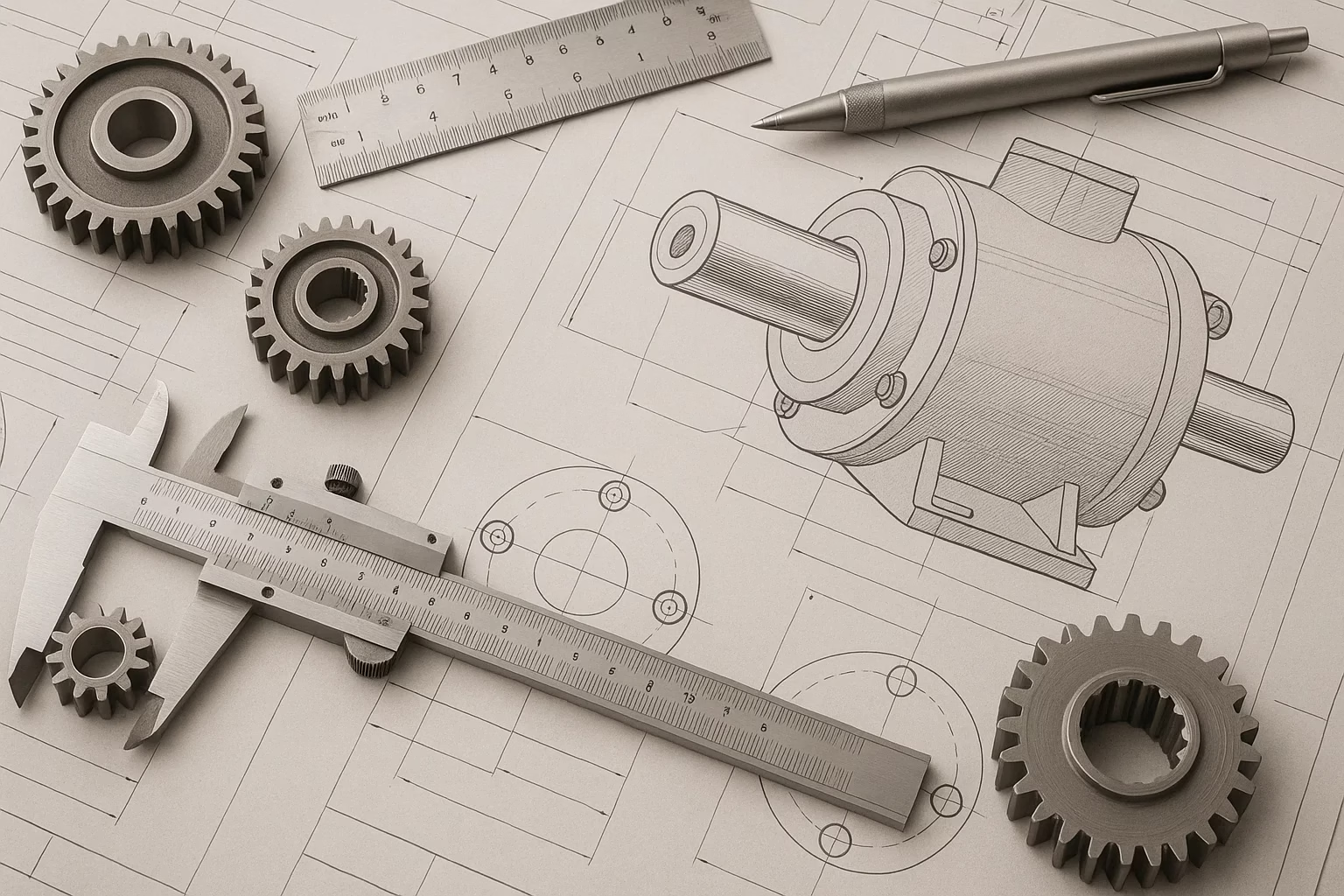
The design of tooling is a complex process, often involving sophisticated computer-aided design (CAD) and computer-aided manufacturing (CAM) software. Factors considered include:
- Material Selection: Tool materials must be durable enough to withstand the stresses of manufacturing, resistant to wear and tear, and appropriate for the specific process.
- Geometry and Precision: The precise shape and dimensions of a tool are crucial for achieving the desired result. Minor variations can lead to significant defects in the finished product.
- Tool Life and Maintenance: Tools wear down over time. Effective tool maintenance and replacement strategies are vital for maximizing productivity and minimizing downtime.
How It Differs From Related Concepts
How does it differ from jigs and fixtures?
While all three, tooling, jigs, and fixtures aid in manufacturing, they serve distinct purposes:
| Feature | Tooling | Jigs | Fixtures |
|---|---|---|---|
| Primary Function | Shapes, forms, or cuts material | Guides and positions workpieces | Holds and supports workpieces during machining |
| Complexity | Varies widely; can be simple or complex | Generally simpler than tooling | Varies in complexity |
| Examples | Milling cutters, injection molds | Drill jigs, welding jigs | Vise, clamping fixtures |
Tooling encompasses the broad category of instruments used in manufacturing. Jigs primarily guide the tool's motion, ensuring accuracy and repeatability. Fixtures primarily hold and support the workpiece, ensuring it remains in the correct position during processing. A jig might use a specific cutting tool (part of the broader tooling category), while a fixture would work with various tools.
Real-World Applications
Tooling is ubiquitous across countless industries. Examples include:
- Automotive: Stamping dies for body panels, injection molds for interior parts, and robotic welding systems for assembly.
- Aerospace: Advanced CNC machining for creating intricate aircraft components, specialized tools for composite material processing, and highly accurate inspection equipment.
- Electronics: Precision tools for circuit board fabrication, pick-and-place machines for component assembly, and specialized soldering equipment.
- Medical Devices: High-precision tooling for creating implants and surgical instruments, cleanroom-compatible tooling for sterile manufacturing environments.
Common Misconceptions
- Tooling is just the machines: While machines are a significant part of tooling, tooling also encompasses many hand tools, jigs, fixtures, and other instruments that facilitate the manufacturing process.
- All tooling is expensive: While advanced tooling can be costly, many essential tools are relatively inexpensive.
- Tooling is a one-time expense: While the initial investment can be substantial, tooling requires ongoing maintenance, repairs, and eventual replacement, representing a recurring cost.
Challenges or Controversies
- Cost of Tooling: Developing and maintaining high-precision tooling can be extremely expensive, especially for small or specialized manufacturing runs.
- Tool Wear and Tear: Tool wear and tear lead to downtime, product defects, and increased production costs.
- Sustainability Concerns: The manufacturing and disposal of tooling can have environmental impacts, prompting a focus on sustainable materials and processes.
- Technological Advancements: The rapid pace of technological advancement requires continuous updates and upgrades in tooling, presenting challenges in terms of capital investment and training.
Trends and Future Outlook
- Additive Manufacturing (3D Printing): This technology is transforming tooling by allowing for the rapid prototyping and creation of custom tooling, reducing lead times and costs.
- Automation and Robotics: Increased automation in tooling leads to higher precision, increased efficiency, and reduced labor costs.
- Smart Tooling: The integration of sensors and data analytics into tooling enables real-time monitoring, predictive maintenance, and improved process control.
- Digital Twins: Virtual representations of tooling and manufacturing processes allow for simulations and optimization before physical implementation, reducing risk and costs.
- Sustainable Tooling: Growing emphasis on sustainability is driving the development of eco-friendly materials and processes for tooling manufacturing.
Fun Fact
In underworld slang, "tooling up" typically means arming oneself, especially with weapons such as guns or knives. It's often used when someone is preparing for a confrontation, robbery, or violent act. The "tools" in this context refer to weapons, not actual work tools. For example, someone might say, "He’s tooling up for a job tonight," implying they’re getting armed and ready for criminal activity.
Frequently Asked Questions (FAQs)
Q1: How often does tooling need to be replaced?
Tooling lifespan varies greatly depending on the material, application, and maintenance. Regular inspection and preventative maintenance are key to maximizing tool life.
Q2: What are the different types of tooling materials?
Materials range from high-speed steel and carbide for cutting tools to specialized polymers for molding. The choice depends on the application and material being processed.
Q3: Is tooling only relevant for large-scale manufacturing?
No, even small-scale production benefits from appropriate tooling, though the complexity and cost will vary.
Q4: How is tooling design optimized?
Design optimization involves various techniques including finite element analysis (FEA) simulations and design of experiments (DOE) to improve performance and reduce costs.
Q5: What is the role of CAD/CAM in tooling?
CAD (Computer-Aided Design) and CAM (Computer-Aided Manufacturing) are vital for designing and programming CNC machines and other automated tooling systems.
Summary
Manufacturing tooling is far more than just machines; it's the entire system of instruments and equipment that enables the transformation of raw materials into finished products. Understanding the various types of tooling, their design principles, and their application across industries is essential for anyone involved in manufacturing. While challenges remain regarding cost, maintenance, and sustainability, the future of tooling is bright, with exciting developments in additive manufacturing, automation, and smart technology shaping the next generation of production methods. This article has provided a comprehensive overview, serving as a foundational resource for further exploration into this critical aspect of the modern manufacturing landscape.