
Introduction
Aesthetics in the world of product design,goes beyond mere visual appeal. The subtle interplay of color, material, and finish (CMF) significantly impacts a product's perceived quality, brand identity, and ultimately, its success in the market.
In this article, we explore the world of CMF design, its key principles, applications, and future trends. Understanding CMF is essential for anyone involved in creating and marketing tangible products, from consumer electronics to automotive design.
Context and Why This Topic Matters Today
CMF design isn't just about making things look pretty; it's about creating a holistic sensory experience. In today's competitive market, where consumers are bombarded with choices, a product's tactile and visual qualities are paramount.
“Between two products equal in price, function and quality, the one with the most attractive exterior will win.”
- Raymond Loewy, famed American designer who at the height of the cold war was appointed as Industrial Design Advisor to the Soviet Union.
A well-executed CMF strategy can differentiate a product, enhance its perceived value, and forge a stronger connection with the user. The rise of experiential marketing and the increasing focus on brand storytelling highlight the growing importance of CMF as a key differentiator.
Definition: CMF Design Explained
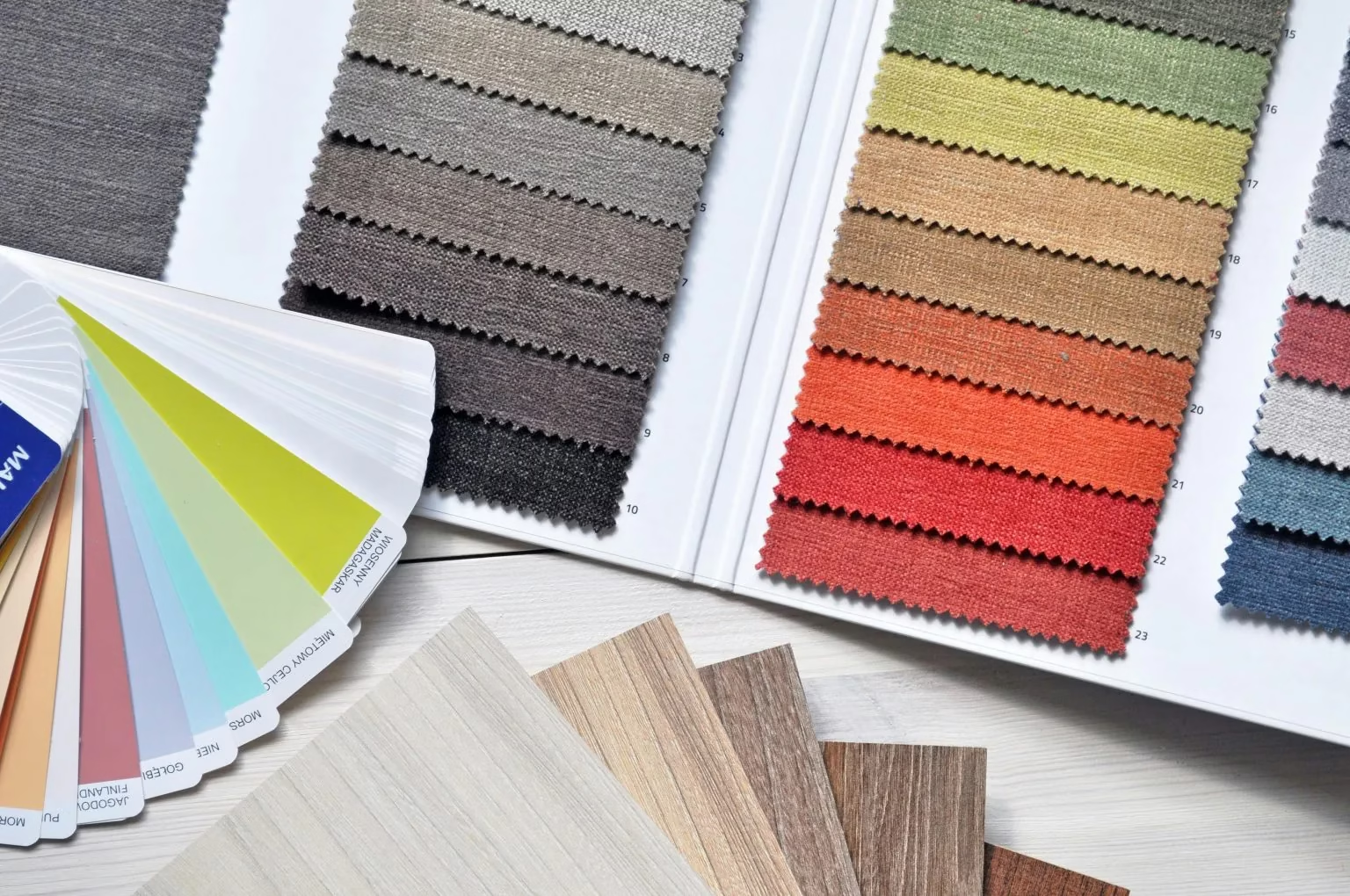
CMF design encompasses the strategic selection and integration of color, material, and finish to achieve specific design goals. It's a holistic approach that considers not just the visual aspects, but also the tactile experience, durability,manufacturing feasibility and corporate messaging. Think of it as the "skin" of a product, the part that interacts directly with the user.
Color: This goes beyond simply choosing a pleasing hue. Color psychology plays a significant role, influencing user perception and emotional response. Consider the calming effect of blues in healthcare products versus the energy of reds in sports equipment.
Material: This refers to the physical substance of the product- plastic, metal, wood, fabric, etc. The material choice dictates the product's weight, texture, durability, and environmental impact.
Finish: This refers to the surface treatment applied to the material- matte, gloss, brushed, textured, etc. The finish impacts the visual appeal, tactile feel, and the product's resistance to scratches or wear.
Key Principles / Core Concepts
Color Psychology and Brand Identity
Color evokes strong emotional responses. Knowing your target audience and understanding color psychology are crucial for selecting the right palette. Consistent color usage across a brand's product line reinforces brand recognition and strengthens brand identity. For example, Apple's consistent use of silver and space gray across its product line creates a recognizable and premium feel.
Material Selection and Functionality
Material choice influences both aesthetics and functionality. A rugged, durable material might be ideal for outdoor gear, while a lightweight, recyclable material might be preferred for consumer electronics. This selection process needs to consider factors like cost, sustainability, and manufacturing processes.
Finish and Tactile Experience
The finish creates the tactile experience. A smooth, glossy finish might communicate elegance, while a rough, textured finish could convey ruggedness or durability. The chosen finish impacts the product's perceived quality and also its practicality (e.g., a matte finish reduces fingerprints).
How It Differs From Related Concepts
How does it differ from visual design?
While CMF design is a component of overall visual design, it's much more than just aesthetics. Visual design focuses on the layout, typography, and imagery, whereas CMF design centers on the physical qualities of the product. Visual design deals with what the user sees on a screen or through images, while CMF focuses on the tangible sensory experience of the product itself. Consider a smartphone: visual design would encompass the app icons and user interface, while CMF would be the materials used for the phone's casing, buttons, and screen.
How does it differ from industrial design?
Industrial design is a broader field that encompasses the overall functionality, ergonomics, and aesthetics of a product. CMF design is a subset of industrial design, focusing specifically on the sensory aspects of the product's surface and materials. Industrial design considers the entire user experience, while CMF focuses on the interaction between the user and the product's physical characteristics.

Real-World Applications
CMF design principles are used across diverse industries:
Automotive: Consider the sleek, metallic finishes of luxury cars versus the rugged, textured plastics of off-road vehicles. The material and color choices directly communicate the brand's image and target audience.
Consumer Electronics: Apple's meticulous attention to CMF design is legendary. The seamless integration of materials and the subtle tactile feedback of their devices contribute to their premium brand image.
Fashion and Apparel: The use of different textiles, dyeing techniques, and finishes is integral to fashion design. It is a clear demonstration of CMF's influence across varied product categories.
Home Goods: The trend towards sustainable and ethically sourced materials is increasingly influencing CMF choices in furniture and home décor.
Common Misconceptions
- CMF is only about aesthetics: CMF design is as much about functionality and engineering as it is about visual appeal. Material selection must consider durability, manufacturing constraints, and sustainability.
- CMF is an afterthought: Effective CMF design is integrated from the initial stages of product development, not added as a final touch.
- CMF is solely the responsibility of designers: Successful CMF implementation requires collaboration between designers, engineers, and manufacturers.
Challenges or Controversies
- Balancing aesthetics with cost and manufacturability: Creating a visually stunning product that is also affordable to produce can be challenging. Compromises often need to be made.
- Sustainability concerns: The environmental impact of materials and manufacturing processes is becoming increasingly important, influencing the CMF choices made by designers.
- Global sourcing and ethical considerations: Sourcing materials responsibly and ethically can present significant challenges, especially in a globalized manufacturing landscape.
Trends and Future Outlook
- Bio-based and recycled materials: The demand for sustainable materials is driving innovation in CMF design.
- Advanced surface treatments: New technologies are constantly emerging that allow for more sophisticated and durable finishes.
- Personalized CMF: Customization and personalization are becoming increasingly important, leading to more individualized CMF choices.
- Digital twins and virtual prototyping: Digital technologies are facilitating more efficient and cost-effective CMF development and testing.
FAQs
Q1: How much does CMF design cost?
The cost varies widely depending on the complexity of the product and the materials used.
Q2: Who is responsible for CMF design?
A team typically comprising industrial designers, material scientists, and color specialists.
Q3: How long does the CMF design process take?
This depends on the project's complexity but is usually a significant part of the overall design timeline.
Q4: What software is used for CMF design?
Various software programs are used, from CAD for modeling to specialized color management software.
Q5: Can I learn CMF design myself?
Yes, many online courses and resources are available, although practical experience is essential.
Summary
CMF design is an integral part of the product development process, encompassing the strategic selection of color, material, and finish to create a holistic sensory experience. Understanding its principles and considering its implications across various aspects of design is crucial for creating successful, marketable, and impactful products. The future of CMF design is characterized by sustainability, personalization, and the continued integration of advanced technologies. By mastering CMF design, companies can elevate their products, strengthening their brand identity and forging deeper connections with their customers.