
Introduction:
The global market for flexible electronics is exploding, projected to reach $300 billion by 2030. This growth is fueled by demand for wearable sensors, foldable displays, and smart textiles, all of which rely on choosing the right textile substrate. Making the wrong choice can lead to device failure, performance issues, and ultimately, project delays. Selecting the optimal textile isn't just a technical detail; it's a strategic imperative that can make or break your product.
This rapid evolution presents both exciting opportunities and complex challenges. Developers must navigate a constantly expanding landscape of textile options, each with its own unique characteristics and suitability for different applications. Understanding the interplay between textile properties, device functionality, and manufacturing processes is crucial for success in this dynamic field. This article provides a practical framework and expert insights to guide you through this critical selection process, drawing on years of experience working with leading companies like DuPont (https://www.dupont.com/) and developing cutting-edge flexible electronic products.
We'll explore the key trends shaping the industry, from the rise of e-textiles to the increasing demand for biocompatible materials. You'll gain a deep understanding of the fundamental principles governing textile selection, including mechanical properties, electrical conductivity, and chemical compatibility. We'll then delve into advanced techniques, sharing insights gleaned from real-world projects and highlighting the trade-offs involved in choosing between different textile options. Finally, you'll receive a clear, actionable blueprint for implementing these concepts, empowering you to confidently select the perfect textile for your next flexible electronic device.
Industry Landscape & Emerging Trends:
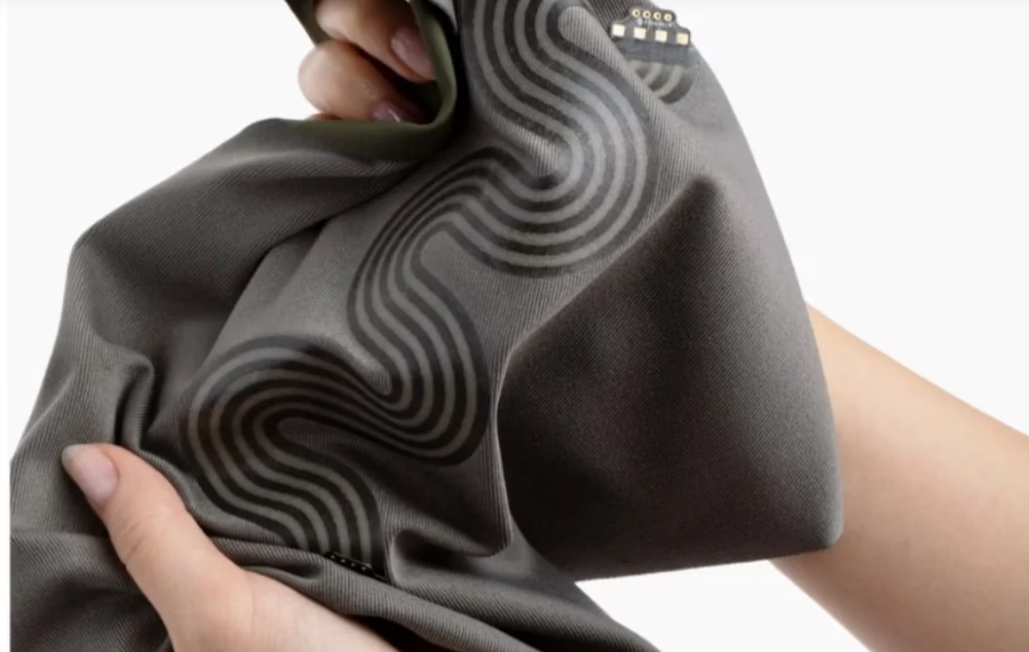
The convergence of textiles and electronics is revolutionizing industries from healthcare and fitness to fashion and automotive. Smart textiles, also known as e-textiles, are no longer a futuristic concept but a rapidly growing market. IDTechEx forecasts this market to exceed $2 billion by 2028, driven by increasing demand for wearable sensors, medical implants, and interactive apparel. This growth necessitates a deep understanding of textile selection, a crucial factor in the successful development of flexible electronic devices.
One key trend shaping this landscape is the increasing sophistication of fiber materials. Companies like DuPont are developing advanced fibers with enhanced conductivity, durability, and biocompatibility. These specialized fibers, often incorporating nanomaterials like carbon nanotubes or silver nanoparticles, offer improved performance and integration possibilities for electronic components. This trend is moving beyond simple conductive threads to complex woven structures that can act as sensors, actuators, or even energy harvesters.
Another significant development is the rise of textile-based energy storage solutions. Flexible batteries and supercapacitors woven directly into fabrics are becoming increasingly viable. Organizations like Ohmatex are pioneering this area, creating textiles that can power integrated electronics without the need for bulky external batteries. This advancement is crucial for truly untethered and comfortable wearable devices.
Finally, the integration of artificial intelligence (AI) and machine learning (ML) is transforming textile selection for flexible electronics. Algorithms are being developed to predict the performance and behavior of e-textiles based on their material properties and structural design. This data-driven approach allows for optimized textile choices, leading to more efficient and reliable device performance. Companies like Loomia are at the forefront of this trend, developing software platforms that leverage AI to guide the design and manufacturing of smart textiles. These converging trends underscore the growing importance of strategic textile selection in the dynamic world of flexible electronics.
Core Frameworks & Fundamental Principles:
The foundation of any successful flexible electronics project lies in understanding the interplay between textile properties and device requirements. This involves a deep dive into the textile's mechanical, electrical, and chemical characteristics, and how they influence the device's performance, durability, and manufacturability.
Mechanical Properties
Textile mechanics dictate how the device conforms to complex shapes, withstands repeated bending and stretching, and maintains its integrity over time. Key parameters include tensile strength, elongation at break, bending rigidity, and shear modulus. For instance, woven fabrics like those from Schoeller Textil offer high tensile strength and dimensional stability, making them suitable for robust wearable sensors. Conversely, knitted structures from companies like Eurojersey provide greater stretchability, ideal for applications requiring high conformability, such as electronic skin. The choice depends on the specific application and the anticipated mechanical stresses.
Electrical Properties
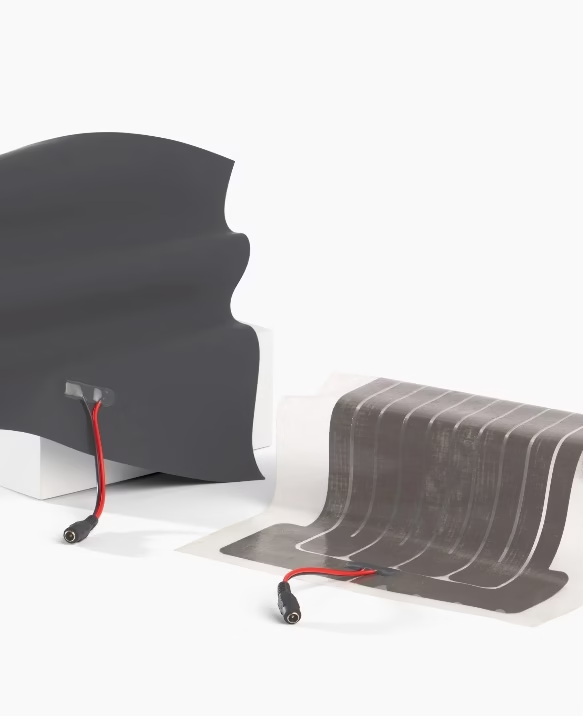
The electrical behavior of the textile substrate significantly impacts the performance of integrated electronics. Conductivity, permittivity, and dielectric strength are crucial considerations. Conductive yarns, often incorporating materials like silver or copper from suppliers like Bekaert, can be integrated for signal transmission or as electrodes. For applications requiring insulation, the dielectric properties of the textile become paramount. For example, a low dielectric constant minimizes signal loss and interference, while high dielectric strength prevents electrical breakdown. The selection process must carefully balance these electrical requirements with the overall device design.
Chemical Properties
Chemical compatibility is essential for long-term device stability and functionality. Factors like chemical resistance, moisture absorption, and biocompatibility play a vital role. For implantable devices or those exposed to harsh environments, chemically inert textiles like those from DSM (https://www.dsm.com/) are preferred. In wearable applications, moisture management becomes crucial, requiring textiles with appropriate wicking properties to prevent sweat accumulation and corrosion of electronic components. Biocompatibility is paramount for devices in direct contact with skin, necessitating careful consideration of potential allergens or irritants within the textile composition.
Textile Structure & Construction
The textile's architecture, including fiber type, yarn structure, and fabric construction, significantly influences its overall properties. Natural fibers like cotton offer breathability and comfort but may lack the durability and dimensional stability of synthetic fibers like polyester or nylon. Woven fabrics provide structural integrity and precise control over fiber orientation, while knitted structures offer greater flexibility and stretchability. Nonwoven fabrics, often used in medical applications, offer unique properties like high porosity and absorbency. Understanding these structural nuances is crucial for optimizing the textile-electronics interface.
Surface Treatments & Functionalization
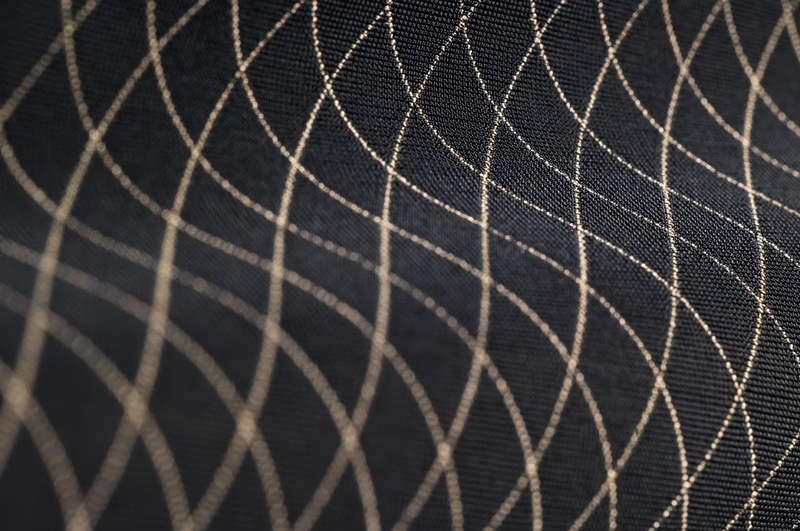
Surface modifications can enhance the textile's compatibility with electronic components. Plasma treatment, for example, can improve adhesion and wettability, facilitating the integration of printed circuits or sensors. Chemical coatings can impart specific functionalities, such as water repellency or antimicrobial properties. Companies like HeiQ specialize in developing advanced textile finishes that can be tailored to specific application needs. These surface treatments offer a powerful toolkit for optimizing the textile-electronics interface and enhancing device performance.
Advanced Insights & Expert Techniques:
Navigating the nuanced world of textile selection for flexible electronics requires a deep understanding of material properties and their impact on device performance. A critical factor often overlooked is the interplay between the textile's mechanical properties and the chosen fabrication method. For instance, screen printing on highly stretchable knits like those from Schoeller Textil demands inks with exceptional elongation properties to prevent cracking during deformation. Conversely, embroidery, a technique gaining traction for integrating circuits into fabrics, might be more suitable for robust woven textiles like those from Tweave (https://www.tweave.com/), offering precise control over conductive thread placement.
Durability is paramount. Consider the intended application and environment. A wearable sensor for athletes necessitates a moisture-wicking, abrasion-resistant textile, perhaps incorporating advanced fibers like Cordura. Medical implants, on the other hand, demand biocompatibility and sterilizability, often achieved with specialized coatings on medical-grade textiles from companies like Freudenberg Performance Materials. Rigorous testing, including cyclic bending, washing, and exposure to relevant environmental conditions, is crucial to validate long-term performance.
The choice of textile also significantly influences the device's electrical characteristics. Conductive yarns, often incorporating silver or copper, are integrated into the fabric to create circuits. The yarn's linear resistance, influenced by its material and construction, directly impacts signal integrity. Furthermore, the textile's dielectric properties affect the performance of embedded antennas or capacitive sensors. Careful characterization of these properties is essential, especially for high-frequency applications.
Beyond the technical aspects, cost and scalability are critical factors, particularly for high-volume production. While exotic materials might offer superior performance, their cost can be prohibitive. Woven and knitted structures, amenable to roll-to-roll processing, are generally more cost-effective than complex 3D textiles. However, advancements in additive manufacturing techniques like 3D knitting are opening up new possibilities for creating intricate textile structures with embedded electronics.
Integrating electronics into textiles often requires bonding or lamination processes. The textile's surface energy and porosity influence adhesion strength. Pre-treatment processes, such as plasma treatment or the application of primers, can enhance bonding. Furthermore, the textile's thickness and drape affect the conformability of the final device, crucial for wearables and implantables. Successful integration hinges on a holistic approach considering the entire process chain, from material selection to final assembly.
Finally, don't underestimate the aesthetic dimension, especially for consumer-facing applications. The textile's texture, color, and drape contribute to the overall user experience. Collaborating with textile designers and fashion experts can ensure that the final product is not only functional but also visually appealing. This interdisciplinary approach is becoming increasingly important as flexible electronics move beyond niche applications and into the mainstream.
Implementation Blueprint:
Begin by clearly defining the device's requirements. This includes the intended application, target performance metrics (e.g., bend radius, stretch, durability), and operating environment (temperature, humidity, exposure to chemicals). A wearable fitness tracker, for instance, demands different textile properties than a flexible display integrated into automotive interiors. Document these criteria meticulously; they form the foundation of your textile selection process.
Next, conduct a thorough material pre-screening. Leverage online databases like Matmatch (https://matmatch.com/) or engage with textile suppliers directly. Focus on materials that align with your predefined requirements. Consider factors like fiber type (e.g., cotton, nylon, polyester, specialty fibers like Vectran™ by Kuraray weave structure (e.g., plain, twill, knit), and finishing treatments (e.g., coatings, laminations). Request samples for initial evaluation.
The third phase involves rigorous testing and characterization. Subject the shortlisted textiles to mechanical, electrical, and environmental tests relevant to your application. This might include tensile testing, bending fatigue tests, surface resistivity measurements, and exposure to simulated operating conditions. Analyze the results to understand how each textile performs under stress and how its properties might change over time. This step often necessitates specialized equipment and expertise.
Finally, make your selection based on a weighted scoring system. Assign weights to each performance criterion based on its relative importance. Score each textile against these criteria using the test data gathered. The textile with the highest weighted score emerges as the optimal choice. Remember to factor in cost, availability, and manufacturability considerations. This structured approach ensures a data-driven decision, minimizing risk and maximizing the chances of success.
Conclusion & Strategic Implications:
The convergence of textiles and electronics is revolutionizing how we interact with technology, demanding a nuanced understanding of material properties and device requirements. Choosing the right textile substrate is no longer a secondary consideration but a critical design element that dictates performance, durability, and user experience. From wearable sensors monitoring vital signs to smart garments adapting to environmental changes, the potential applications are vast and rapidly evolving.
The insights shared here provide a robust framework for navigating this complex landscape. By carefully considering factors like fiber type, weave structure, and finishing treatments, developers can unlock the full potential of flexible electronics. Remember, the optimal textile choice is not a one-size-fits-all solution. It's a strategic decision that demands careful consideration of the specific application, target market, and desired performance characteristics.
Looking ahead, advancements in textile engineering and materials science promise even more exciting possibilities. Conductive yarns, embedded sensors, and self-powered fabrics are just a glimpse of what the future holds. The challenge—and the opportunity—lies in embracing these innovations and pushing the boundaries of what's possible, creating truly seamless and integrated electronic textiles that transform how we live, work, and interact with the world around us.